
Last updated November 24, 2026
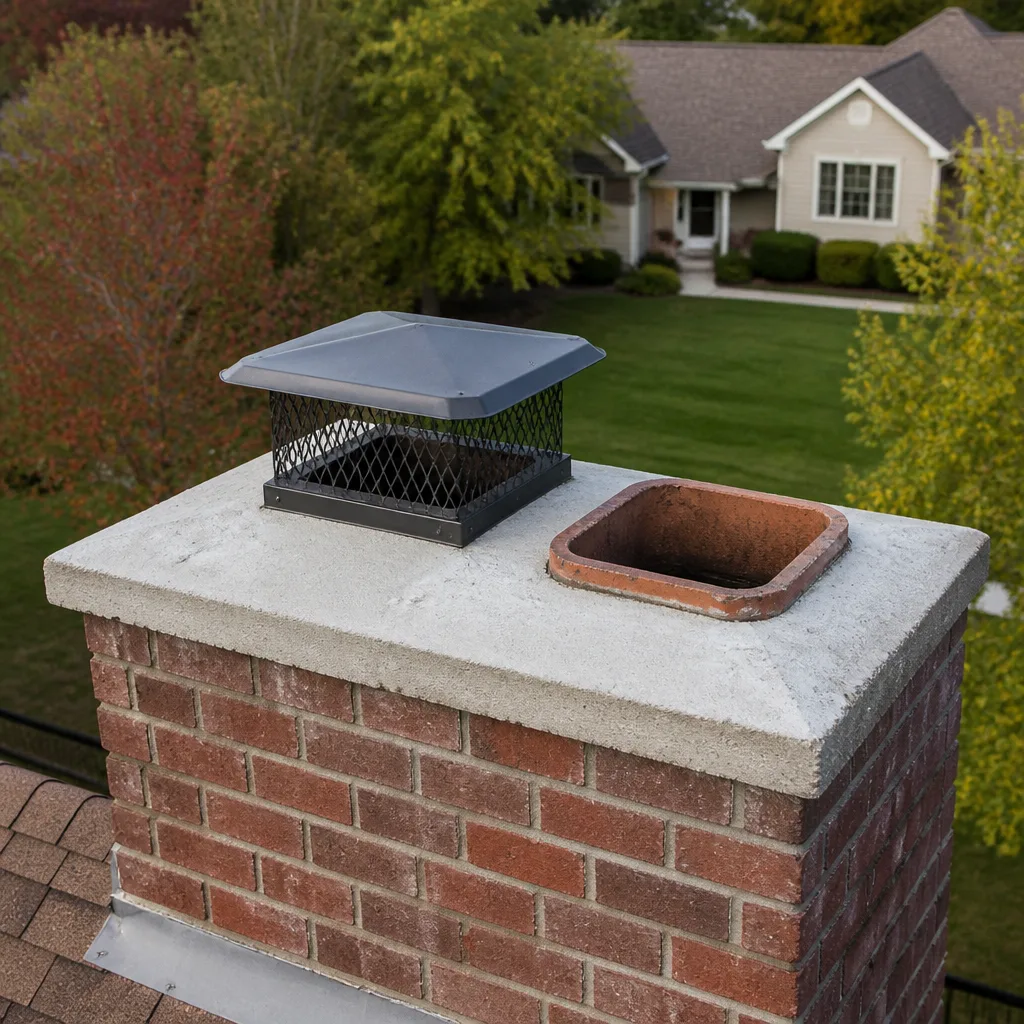 Sweep & inspection
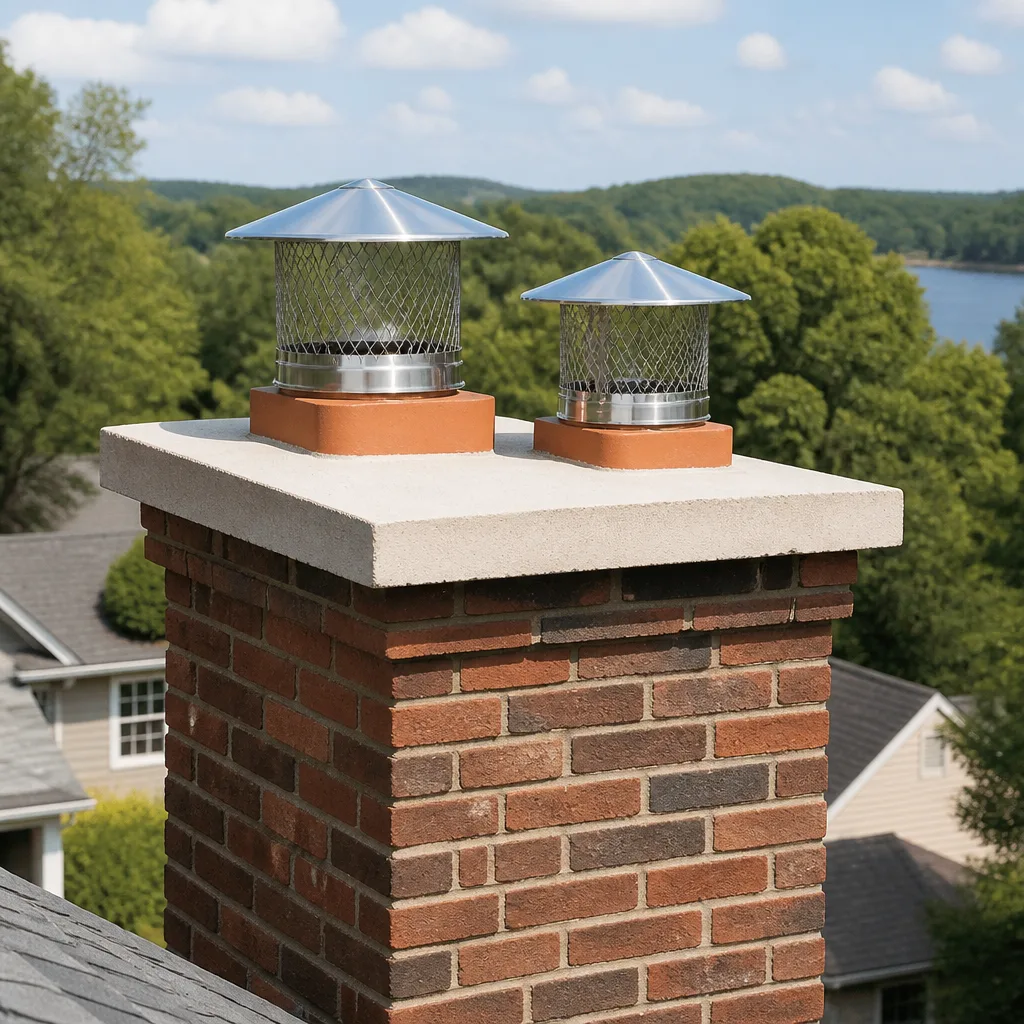 Caps & crowns
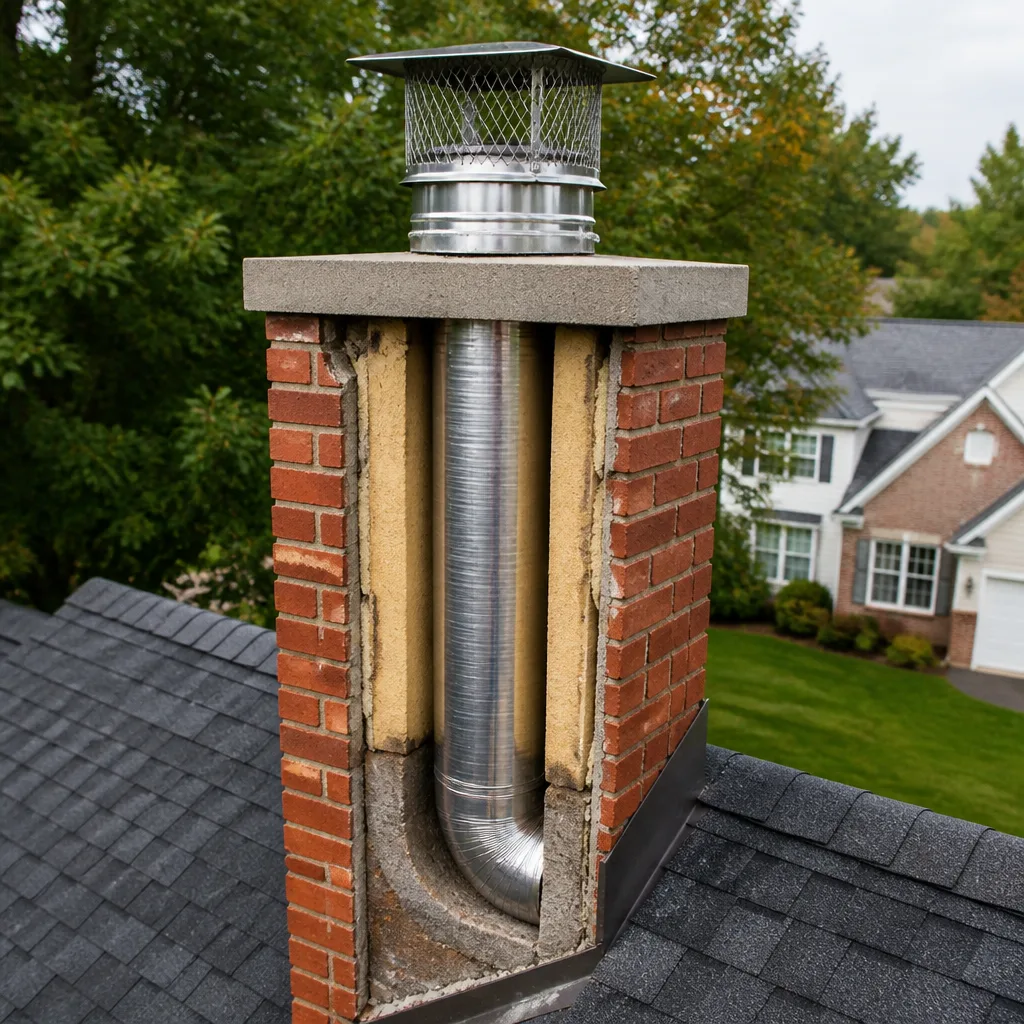 Flue relining
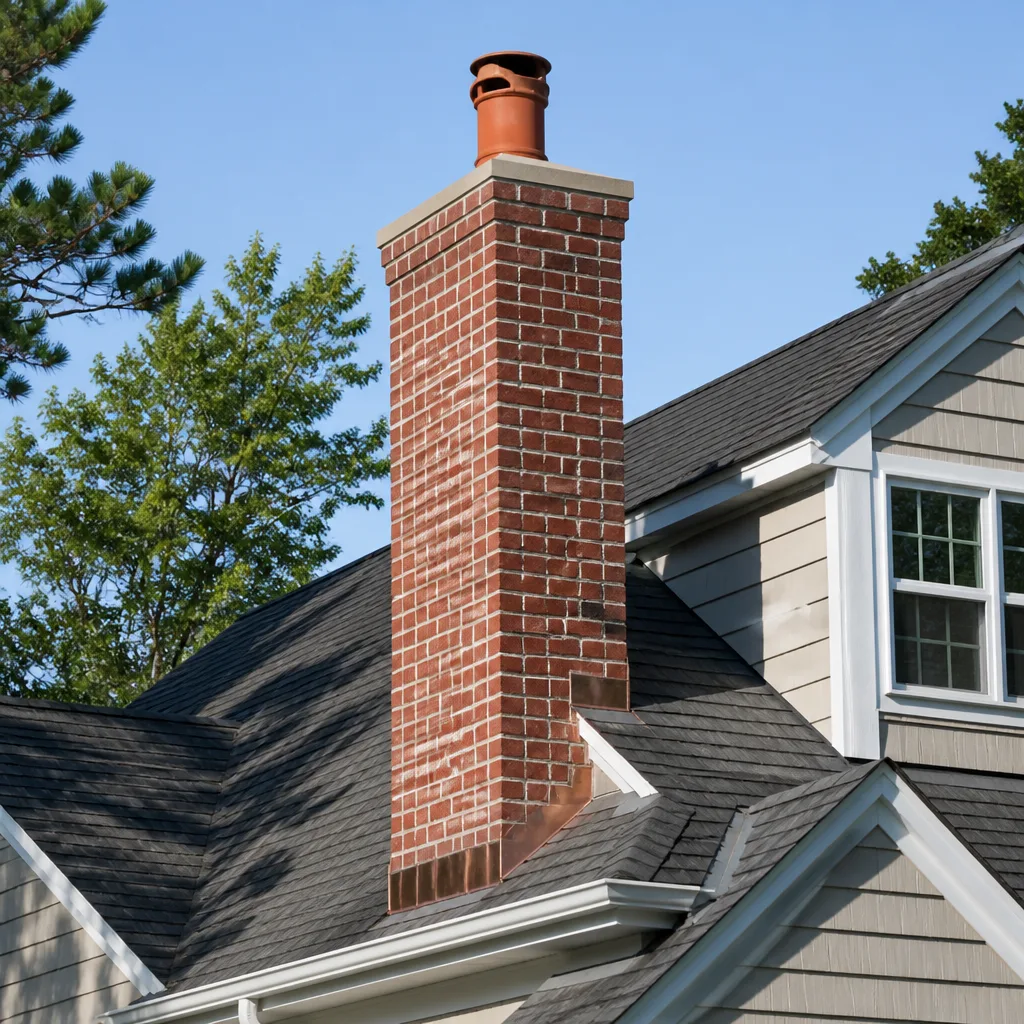 Masonry repair
 Gas fireplace service
Level 1 sweep and inspection to the NFPA 211 annual standard - flue, crown, cap, and flashing checked and photographed
Chimney sweep logs do not sweep chimneys. They loosen some creosote - which then falls where a brush and vacuum still have to collect it.
Chimney Sweep Maintenance Checklist for Spring Branch Homeowners
Most chimney advice tells you to book an inspection every year, as if the calendar itself knows something about your flue. It doesn’t. In Spring Branch, the real reasons a chimney needs attention are more concrete: a Gulf storm that pushes through with high wind, a fireplace that sat cold for seven months, or a switch from one firewood type to another. Those are the events that change conditions inside a chimney, and they don’t line up neatly with any anniversary date. This guide replaces the arbitrary annual checklist with a trigger-based one, so you know what to look at, when, and what to leave to a technician with a camera.
Quick Answer
A chimney maintenance checklist for Spring Branch should be organized around triggers, not dates: after any high-wind or storm event, after six or more months of non-use, before your first fire of the season, and any time you change the kind of wood you burn. Between those events, a 60-second look inside the firebox before each use catches most developing problems early. A professional inspection and sweep, done by a specialist rather than a generalist, verifies what you can’t see from the hearth.
Styles & brands we work with
- Sweep & inspection
- Caps & crowns
- Flue relining
- Masonry repair
- Gas fireplace service
Table of Contents
- Why Triggers Beat Deadlines for Spring Branch Chimneys
- The Post-Storm Checklist
- The Returning-User Checklist After Long Non-Use
- The 60-Second Pre-Fire Habit
- What You Can Actually Check vs. What Needs a Camera
- Keeping a Chimney Log That Works Twice
- When Your Wood Changes, Your Checklist Changes
- Common Mistakes to Avoid
Why Triggers Beat Deadlines for Spring Branch Chimneys
Spring Branch sits in a part of Texas where winters are short and mild, and that fact changes how chimneys age here. A fireplace that runs hard for five months straight in a colder climate builds up creosote on a predictable schedule. A Spring Branch fireplace often burns intermittently instead: a few evenings in December, a cold snap in January, a couple of fires in February, then nothing. That stop-and-start pattern creates its own creosote profile, and the long idle months in between are when a chimney quietly develops problems nobody notices until the next fire.
Monthly oil and gas heating systems run year-round or seasonally on a set schedule. A wood chimney only sees use when someone lights a fire, which means the maintenance interval depends entirely on your habits. If you burned a cord of wood last winter, your flue is loaded with soot and possibly creosote and needs attention before the next fire. If you burned four fires all season, the situation is different. Neither circumstance is tied to a date on a calendar.
We’ve seen this play out across the area. The homeowner with a weekly winter fire habit and the homeowner who lights a fire once at Christmas need very different service intervals, and we diagnose before we recommend so that the inspection drives the work rather than a fixed maintenance schedule. That’s why this guide is organized around what actually happened to your chimney since the last time you looked at it:
- Weather events – wind, heavy rain, and storms that can move a cap, crack a crown, or loosen flashing
- Usage changes – first fire of the season, the last fire of the season, a switch in fuel
- Visible signals – smoke spilling into the room backdraft, soot streaks, a smell in the house during humid spells
Think of the checklist as an event log rather than a to-do list. Something happened to your chimney, so you check a specific thing. That model is what keeps a Spring Branch chimney safe without running unnecessary service calls.
The Post-Storm Checklist
Spring Branch gets Gulf weather. Storms that come through with high wind are the biggest single cause of chimney damage in this region, and most of it is invisible from the living room. The chimney is the tallest thing on most roofs, it takes the full force of the wind, and the components most likely to fail are at the very top: the cap, the crown, and the flashing where the chimney meets the roof. Run through this list after any named storm or high-wind event in the Spring Branch area.
- Look at the cap from the ground. Use binoculars if you have them. The cap should sit level and cover the flue opening completely. A cap that’s tilted, missing a screen panel, or gone entirely is a straightforward fix, and the sooner it’s caught, the more damage it prevents. We carry Famco and Copperfield caps built to handle long-term weather exposure, which matters more than it sounds after a storm season.
- Check the crown for cracks. The crown is the concrete or masonry top surface that sheds water away from the flue. Hairline cracks are normal; wide cracks or chipping that lets water pool are not. Water that gets past the crown works its way into the masonry and can cause damage over a single season.
- Inspect the flashing where the chimney meets the roof. From the ground, look for lifted, torn, or missing metal along the base of the chimney. This is a roofing joint, and a leak here shows up as a water stain on the ceiling near the chimney rather than inside the fireplace.
- Look for shifted or missing bricks and mortar. Wind-driven rain and debris can knock loose a brick or open a mortar joint. Small gaps widen with the next storm.
- Smell inside the house. A strong, sour, smoky odor in a room with a fireplace after a storm often means water got in somewhere – through the cap, the crown, or the flashing. That smell is your early warning.
- Check the liner if you can see any portion of it. Do not reach or climb to inspect a liner yourself. Note anything visible from a safe, ground-level view and mention it when you call.
What you can’t see is the part that matters most. A cap that looks fine from the ground can be cracked underneath. Flashing that seems intact can be holding water against the masonry. That’s what an inspection is for, and it’s why we recommend a post-storm inspection after any significant wind event rather than waiting for the next annual check.
The Returning-User Checklist After Long Non-Use
Six months of non-use in Spring Branch heat and humidity does things to a chimney that a cold-climate homeowner never deals with. The biggest issue is moisture. Warm, humid air sits inside the flue during the off-season, and when it meets cooler masonry at night, condensation forms on the liner walls. That moisture combines with any leftover soot and creosote from last season to create a corrosive film on metal liners and a softening effect on mortar joints. So the first fire of the season isn’t just a ritual – it’s a checkpoint.
Run through the returning-user checklist before you light that first fire:
- Open the damper and look up. Confirm it opens and closes fully. Look for anything blocking the flue – bird nests, debris, a dislodged cap screen.
- Do the 60-second firebox scan below.
- Check for the sour smell. If the room smells like a wet ashtray, moisture is present. Don’t light a fire until it’s checked.
- Look for water stains. Any discoloration on the firebox walls, the damper, or the ceiling near the chimney suggests water has been getting in during the off-season.
- Book a sweep if you burned more than a few fires last season. The exact threshold depends on your wood and burning habits, but a heavy previous season plus six months of idle time is the combination that most reliably produces a creosote layer worth removing before the next fire.
In our experience, the homeowners who skip this step are the ones who discover a problem mid-winter, when they’d rather be using the fireplace than dealing with it. A quick check on the first cool evening of the season costs nothing and saves the scramble. If your fireplace has been sitting unused for years, not months, that’s a different situation – see the inspection section below.
The 60-Second Pre-Fire Habit
Before every single fire, take 60 seconds to look inside the firebox. This habit alone catches most developing problems at the stage where they’re cheapest to fix. It isn’t a substitute for a professional inspection – the camera sees far more than your eyes can – but it’s the highest-value thing a homeowner can do without training or tools.
Here’s what to look at:
- The firebox walls. Look for new cracks, loose bricks, or crumbling mortar. Hairline cracks in the firebrick are common; a crack you can fit a coin into is not.
- The damper. It should move freely and seat fully. A damper that won’t close all the way lets heated room air escape up the flue year-round and lets cold air down in winter.
- The smoke shelf and the base of the flue. Shine a flashlight up past the damper. You’re looking for an obvious blockage, a big flake of creosote, or soot buildup that looks thick, shiny, or crusted. Shiny, glazed creosote is the kind that burns hot and needs professional removal, not a brush.
- The grate and the ash level. An ash bed deeper than an inch or so insulates the fire and changes how it burns, and it hides cracking in the firebrick underneath.
- The area around the hearth. Nothing combustible within a few feet of the opening. Furniture, rugs, and decorations migrate over the summer.
If any of those checks turns up something that concerns you – a crack that looks new, a smell you can’t place, a damper that’s stuck – stop and call for an inspection rather than lighting the fire. Chimney Sweep Spring Branch offers inspection as a standalone service, which means a diagnosis without being pushed toward a repair. If something does need fixing, we’ll tell you what it is and what it costs.
One safety note that bears repeating: never reach into the firebox above the damper, and never try to remove creosote yourself. Creosote is flammable, and the professional removal process exists because it’s genuinely dangerous without training.
What You Can Actually Check vs. What Needs a Camera
Most chimney checklists blur the line between what a homeowner can do and what requires a technician. That blurring is why so many homeowners either overdo it – climbing onto the roof to “check things out” – or underdo it – assuming everything’s fine because the fireplace still works. Here’s the honest split.
DIY-observable (no tools, no climbing, no risk):
- Cap condition, from the ground, with binoculars
- Crown cracks, from the ground
- Flashing, from the ground
- Loose or missing bricks and mortar, from the ground
- Firebox cracks, damper operation, ash depth, and visible buildup inside the firebox
- Smells, smoke backdraft, and water stains
Requires a technician (camera, tools, or a trained eye):
- Condition of the flue liner, interior and full length – this is the single most important thing to verify, and it’s invisible from below
- Creosote thickness and type, measured and assessed properly
- Whether the crown is cracked underneath or just on the surface
- Whether flashing is leaking, which often can’t be seen from outside
- Structural cracks in the masonry, and whether they’re cosmetic or serious
- Whether a liner needs relining or resurfacing
This is the part where a specialist matters. Basic sweep companies can clean a flue, but not all of them carry the training or the tooling to diagnose a liner problem or apply a HeatShield resurfacing solution, which is a specialist-grade repair most basic outfits don’t offer. We also carry DuraFlex flexible liner systems for full relining work, so when the camera shows a problem that needs structural remediation, the answer isn’t “call someone else.”
If you’ve never had the inside of your flue looked at with a camera, that’s the one item on this list worth prioritizing regardless of what else is going on.
Keeping a Chimney Log That Works Twice
A simple chimney log – a notebook, a notes app, a folder in your files – serves two purposes you don’t appreciate until you need them. First, it makes your own maintenance decisions easier, because you can see what was done, when, and what was found. Second, it’s documentation. If you ever sell the house or file an insurance claim related to the chimney, a record of inspections and repairs is exactly what a buyer or an adjuster wants to see.
What to log after each event or service:
- The date and the trigger. Was this a post-storm check, a first fire of the season, or a routine sweep? Note the reason.
- What you observed. A crack in the crown, a smell in the room, a damper that stuck. Whatever prompted the check.
- What was done. Inspection, sweep, a new cap, flashing repair, relining. Include the brand or material if you know it – DuraFlex liner, HeatShield resurfacing, Famco or Copperfield cap, for example.
- What was recommended for next time. This is the valuable part. “Recheck the crown next season” or “liner showed early wear, watch it” gives the next inspection a specific starting point.
- Any photos or paperwork. Keep the inspection report and any photos in the same file. A photo of the cap from a year ago makes it much easier to spot a shift today.
The log doesn’t need to be complicated. A page per year is plenty for most homes. The point is consistency. When you can look back and see that your Spring Branch chimney has been inspected three times with no findings, that’s a legitimate piece of reassurance. When you can see that the crown was noted as cracked two years ago and never fixed, that’s a legitimate warning. Either way, the record is doing its job.
When Your Wood Changes, Your Checklist Changes
Creosote forms differently depending on what you burn and how you burn it. This is the item most homeowners don’t think about, and it’s why “I burned the same way last year” isn’t a safe assumption. If your wood supply changes – a different species, a new supplier, wood that’s less dry than before – the amount and type of creosote your Spring Branch chimney accumulates can change with it.
What matters:
- Moisture content. Wet wood burns cooler and produces more creosote than dry wood. If you switched to a woodpile that wasn’t as seasoned as your last one, check the flue sooner than you otherwise would.
- Species. Hardwoods and softwoods burn differently and produce different soot profiles. A switch from one to the other is a good reason to inspect sooner.
- How you burn. Long, smoldering, low-oxygen fires produce more creosote than hot fires with good draft. If your burning habits changed – a new fire screen, a damper you’ve been leaving partly closed – the flue is responding to that change.
The practical rule: any time your wood or your burning habits change, treat it as a trigger. Don’t assume your usual interval applies. A single season of cooler, wetter wood can build up enough creosote to justify a sweep before the next fire. A quick call for an inspection is cheaper than discovering it the hard way.
Common Mistakes to Avoid
- Treating the annual inspection as a substitute for post-storm checks. A storm can move a cap or crack a crown the day after your annual inspection. Check after wind events, not just on a schedule.
- Climbing on the roof to “check it yourself.” Spring Branch roofs can be steep, and a fall is a serious injury. Everything you can see from the ground is your domain; everything above it belongs to a technician with the right equipment.
- Ignoring the sour smell. A musty, smoky smell in a room with a fireplace is moisture, and moisture is doing damage every humid day it sits there. Don’t wait for the next fire to address it.
- Letting a hardware-store cap “get you by.” Off-the-shelf caps are built to a price, and they don’t always survive a Spring Branch storm season. A properly fitted Famco or Copperfield cap is a modest cost that prevents a much bigger one.
- Skipping the first-fire check after a long idle season. Six months of humidity in Spring Branch is enough time for a blocked flue or a water problem to develop. Check before you light the first fire, not after.
- Assuming the fireplace “working” means the chimney is fine. A fire can burn well while the liner behind it is cracked. Only a camera inspection verifies the liner.
- Not keeping any record. Without a log, you can’t tell whether a crack is new or two years old, and you can’t show a buyer or an insurer what’s been done. Two minutes of writing saves a lot of guessing.
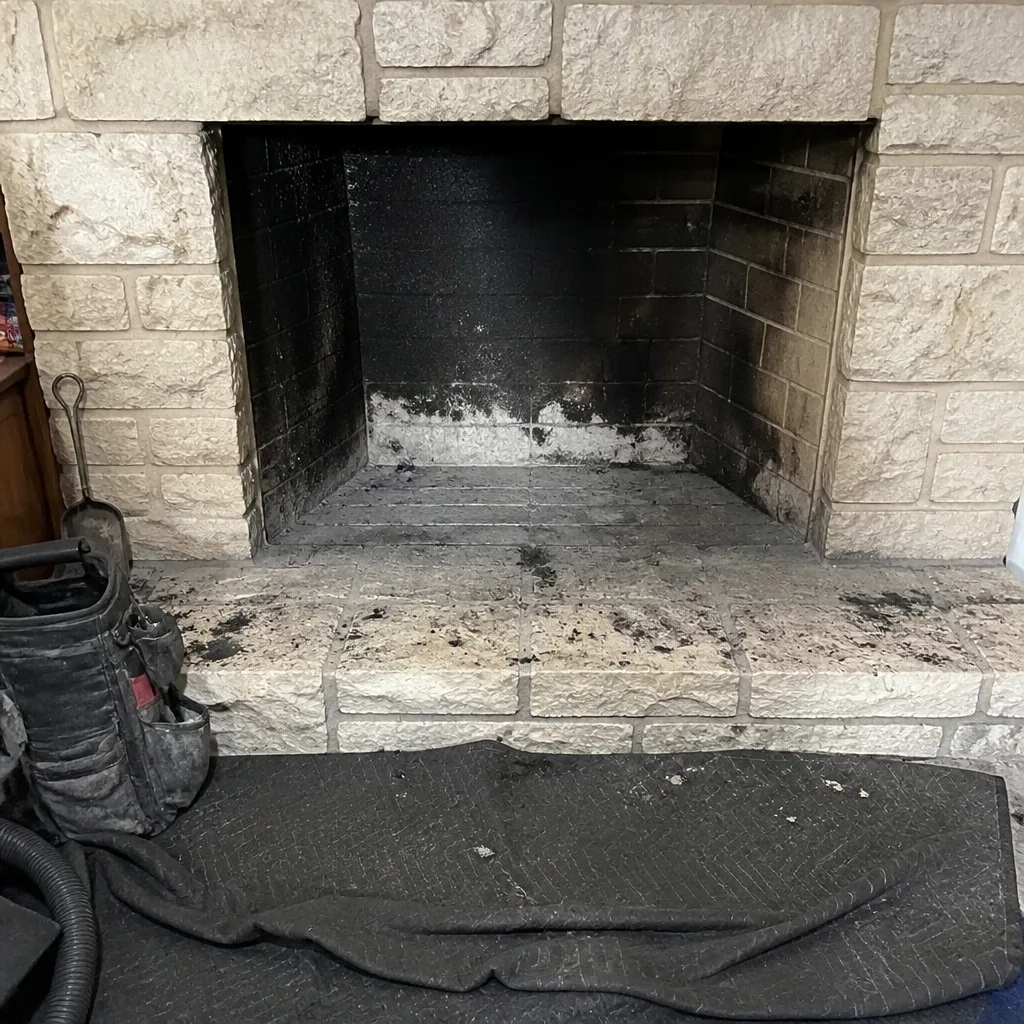
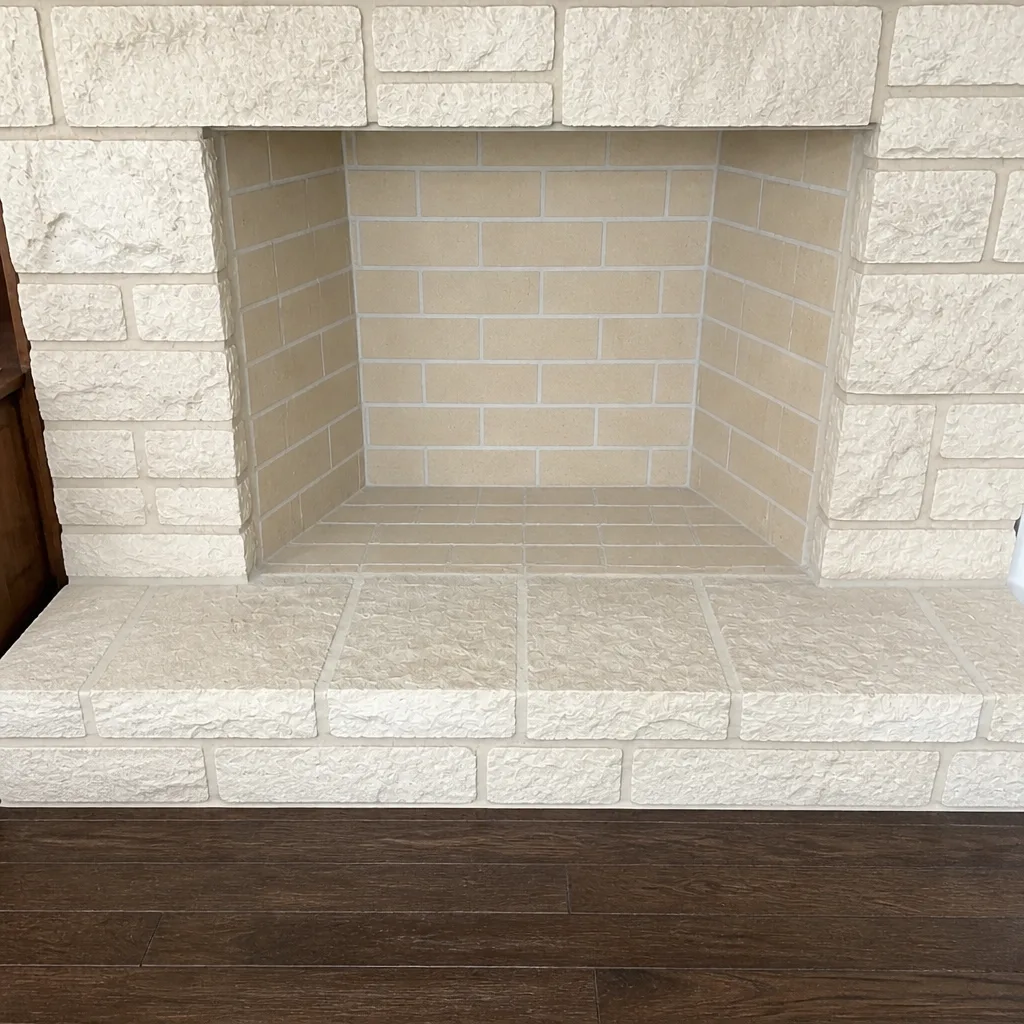
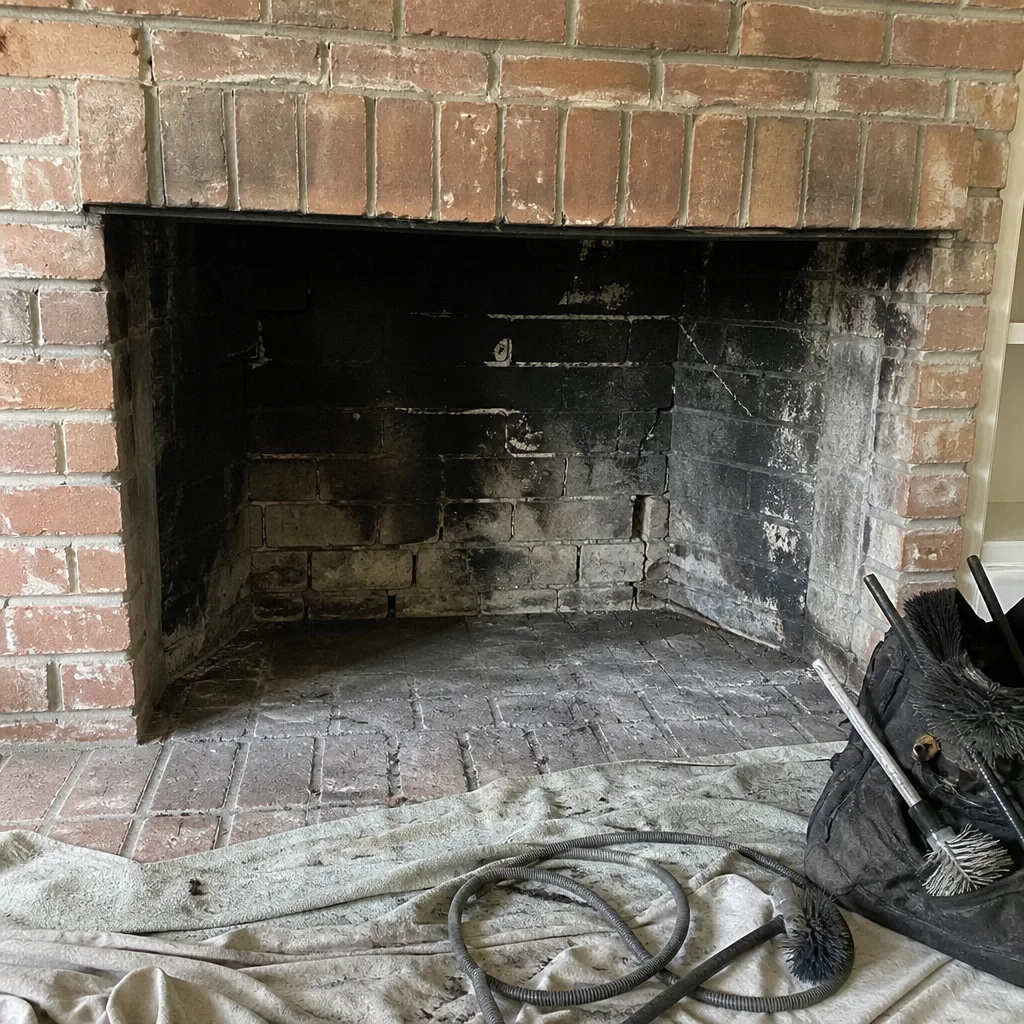
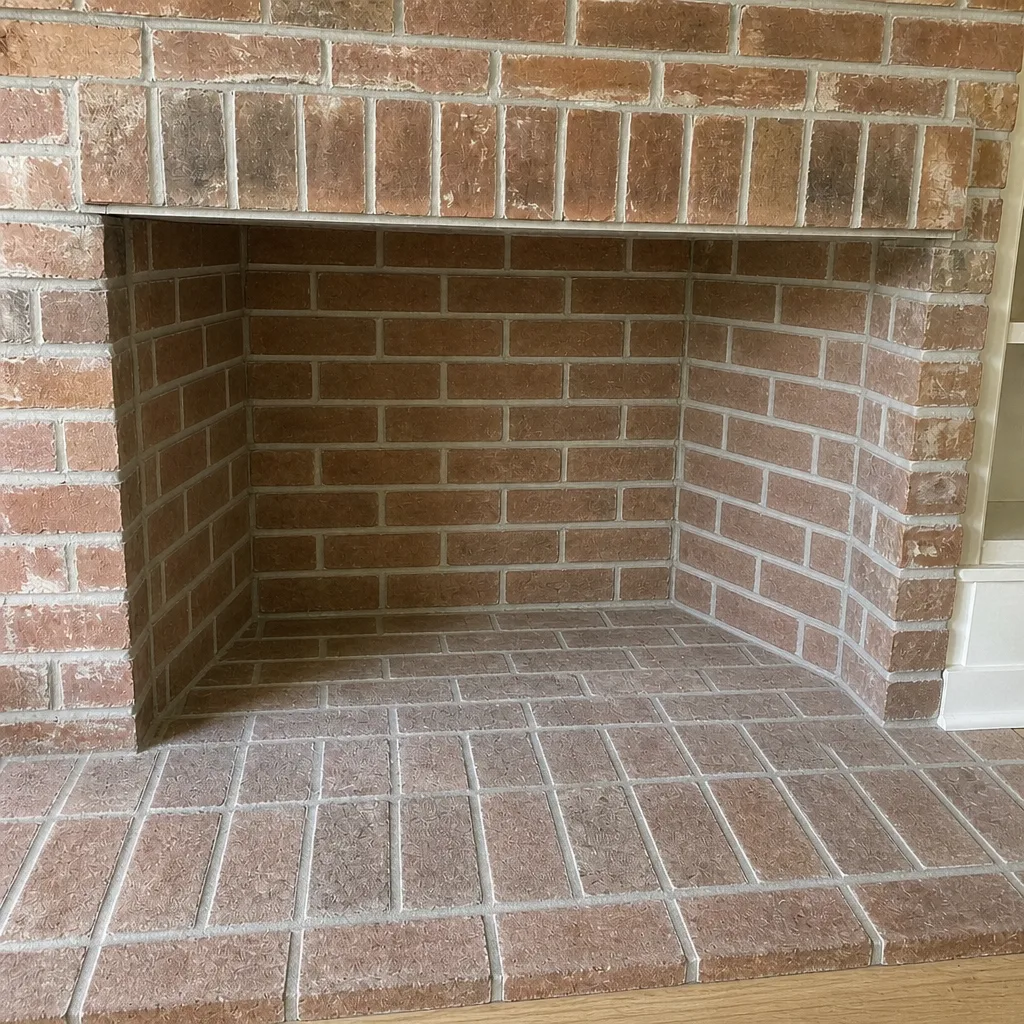
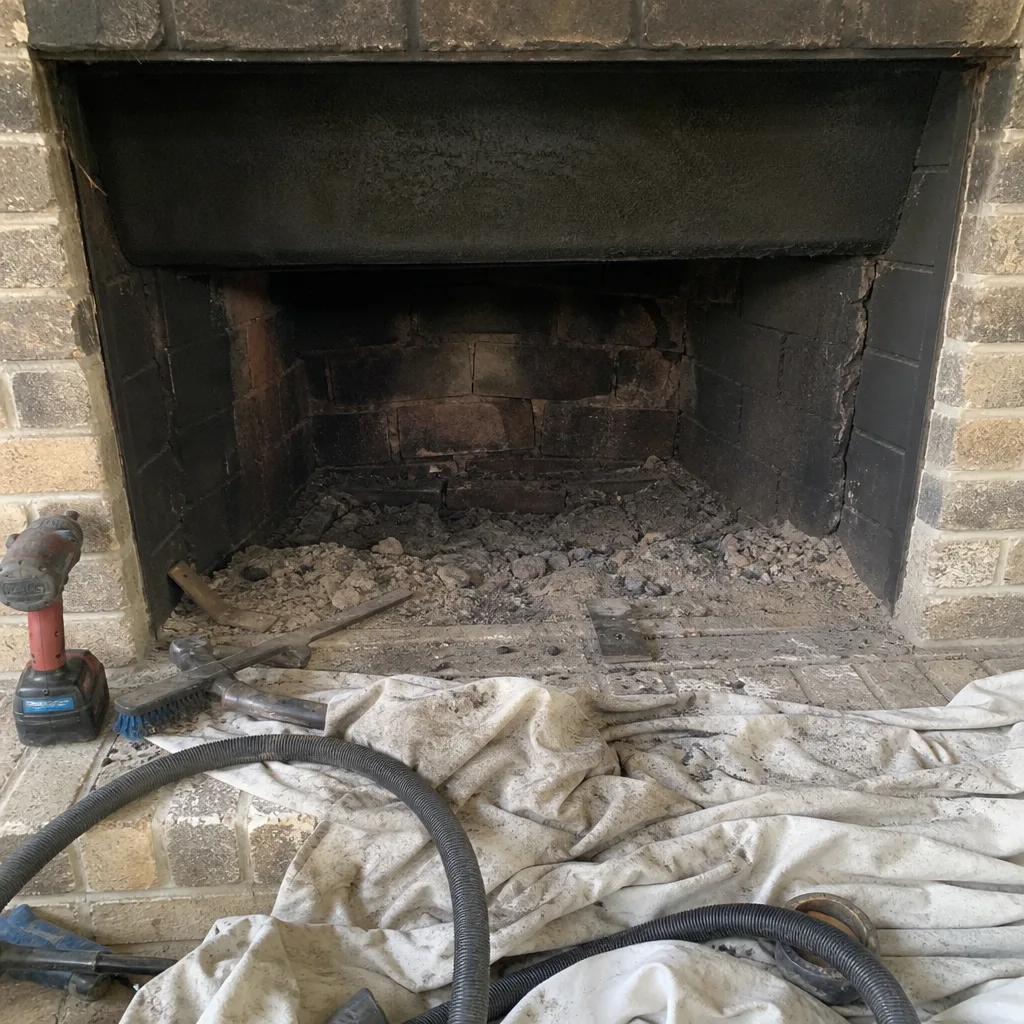
See the difference
 Before
 After
 Before
 After
 Before
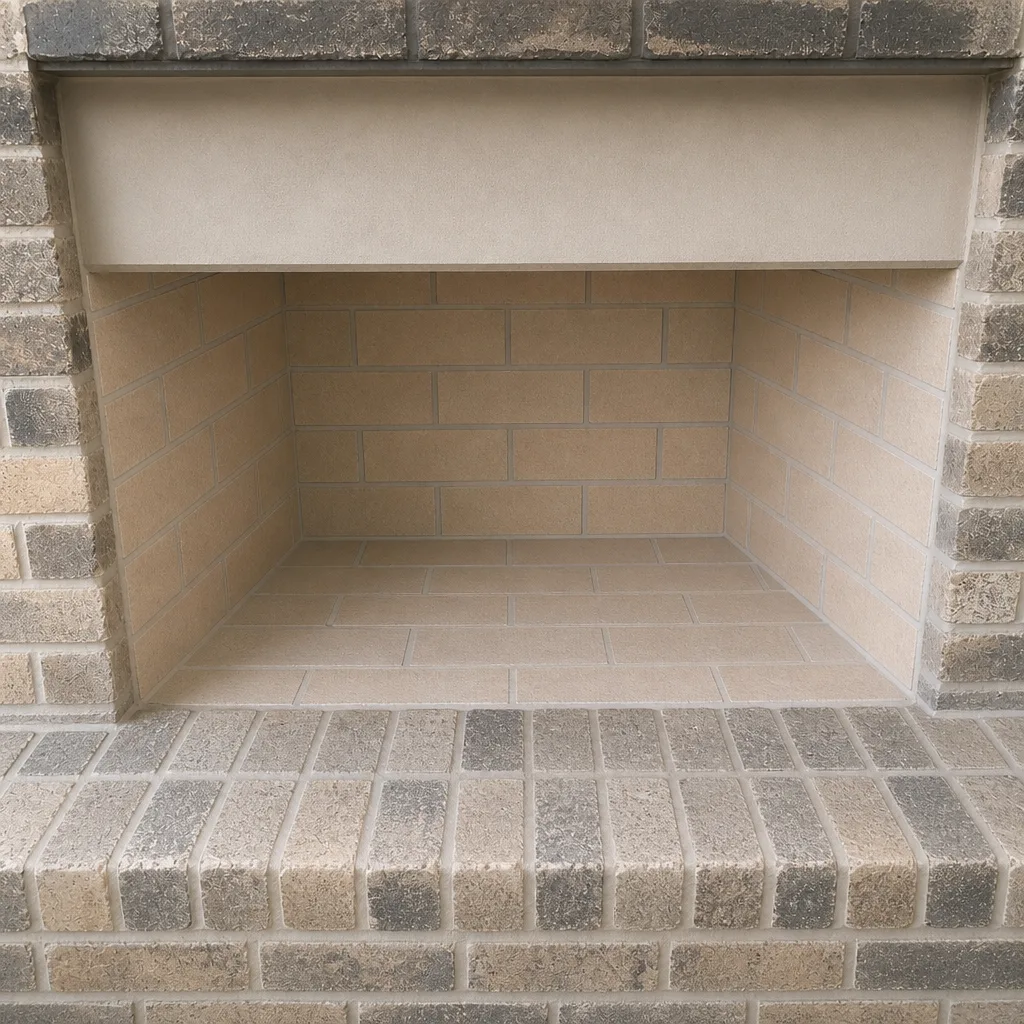 After
When to Call a Professional
Some checklist items are yours to run. Some are not. Call a professional if you see anything from this list: a cap that’s tilted or missing, crown cracks that look wide or pooling water, flashing that’s lifted or torn, a sour or smoky smell in the house, water stains near the chimney, a damper that won’t close, firebox cracks you can fit a coin into, smoke spilling into the room, or any visible creosote that looks shiny or glazed. Also call if it’s been more than a season since your flue was inspected with a camera, or if you’ve just moved into a Spring Branch home with a fireplace you haven’t personally used. Chimney Sweep Spring Branch offers free estimates in Spring Branch; call (833) 482-6711 and we’ll schedule an inspection that tells you what’s actually going on.
Frequently Asked Questions
There’s no single interval that fits every home, because it depends on how much you burn and what you burn. A homeowner who runs fires several times a week through the winter will need a sweep more often than someone who lights a handful of fires a season. The practical approach is to inspect at least once a season and sweep when the inspection shows enough buildup to justify it, rather than sweeping on a fixed schedule regardless of use. Call (833) 482-6711 if you’re not sure which category your home falls into.
A camera inspection is the only way to actually verify the condition of your liner along its full length. Looking up from the firebox shows you the first few feet, and the problems that matter most – cracks, gaps, thinning metal, heavy creosote – are usually further up where you can’t see. If you’ve never had the flue camera-inspected, that’s the one item worth prioritizing. Call (833) 482-6711 to schedule one.
Two things can happen, and neither is a scare tactic. The first is fire risk: creosote is flammable, and enough of it in the flue can ignite. The second is slow structural damage: water getting past a failed cap or crown, corroding a metal liner, or softening mortar over months. Both are preventable with the checks in this guide, and both are much cheaper to fix early. If you’ve been skipping maintenance for a while, call (833) 482-6711 for an honest assessment.
Yes, from the ground with binoculars. What you can see from the ground – a tilted cap, a wide crown crack, lifted flashing, loose bricks – is worth checking after every storm. What you can’t see from the ground also matters, and that’s where a technician comes in. Call (833) 482-6711 if you see something from the ground that worries you.
Start with a full inspection before your first fire, no exceptions. A previous owner’s maintenance habits are unknown to you, and the inspection tells you what you actually have. If a liner issue turns up, we can resurface with HeatShield or reline with a DuraFlex system depending on what’s needed. Call (833) 482-6711 and we’ll walk you through it.
Run the post-storm checklist in this guide: look at the cap, the crown, the flashing, and the masonry from the ground, and check for a sour smell inside. Then decide whether an inspection is warranted. After a significant wind event, we recommend a professional inspection regardless of how things look from the ground, because the damage that matters most is usually not visible from there. Call (833) 482-6711 to book a post-storm inspection.
The Bottom Line
A chimney maintenance checklist for Spring Branch works when it’s built around triggers, not dated reminders. Storm events, long idle periods, the first fire of the season, and changes in your wood supply are the things that actually change conditions in your flue, and each one has a specific check attached to it. The 60-second pre-fire habit covers most developing problems between events, a simple log keeps both you and any future buyer or insurer informed, and a camera inspection at least once a season verifies the part you can’t see. That combination, run consistently, is what keeps a fireplace safe and a chimney healthy in this climate.
Chimney Sweep Spring Branch handles the full picture – inspection, chimney sweep, chimney cap & crown work, fireplace repair, and structural chimney repair – with one call. We carry professional-grade components from Famco, Copperfield, DuraFlex, and HeatShield, and we diagnose before we recommend. Our technicians have up to 14 years of experience. If you’d like a straight answer about what your chimney needs, call (833) 482-6711 for a free estimate.
Written by the team at Chimney Sweep Spring Branch.