
Last updated November 24, 2026
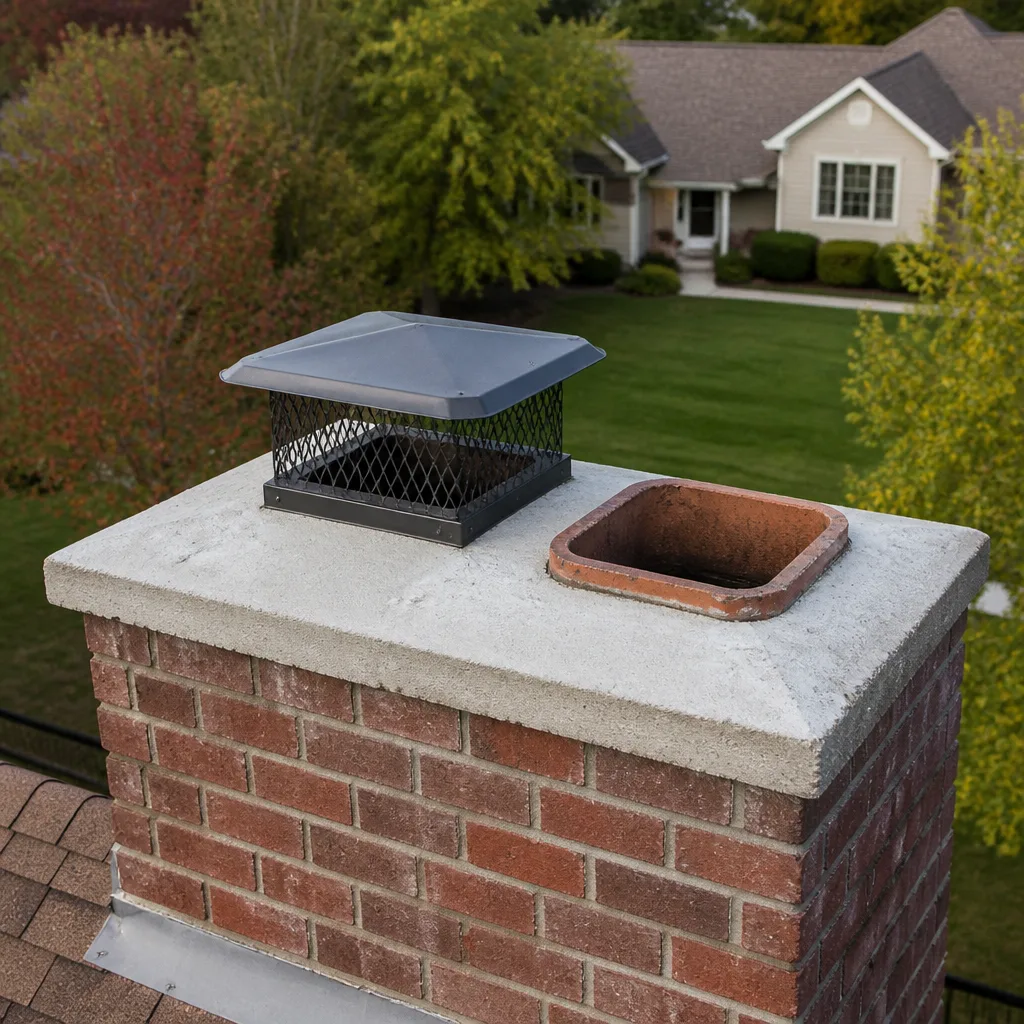 Sweep & inspection
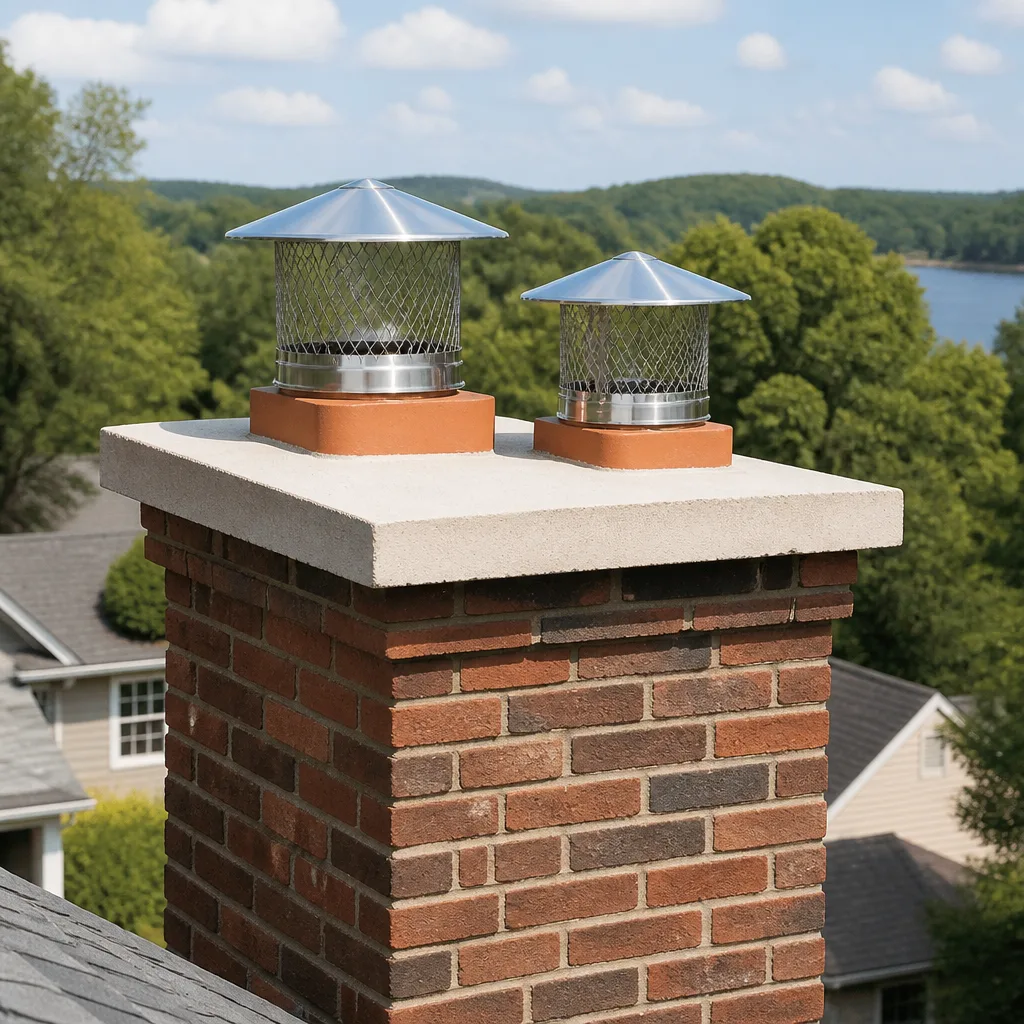 Caps & crowns
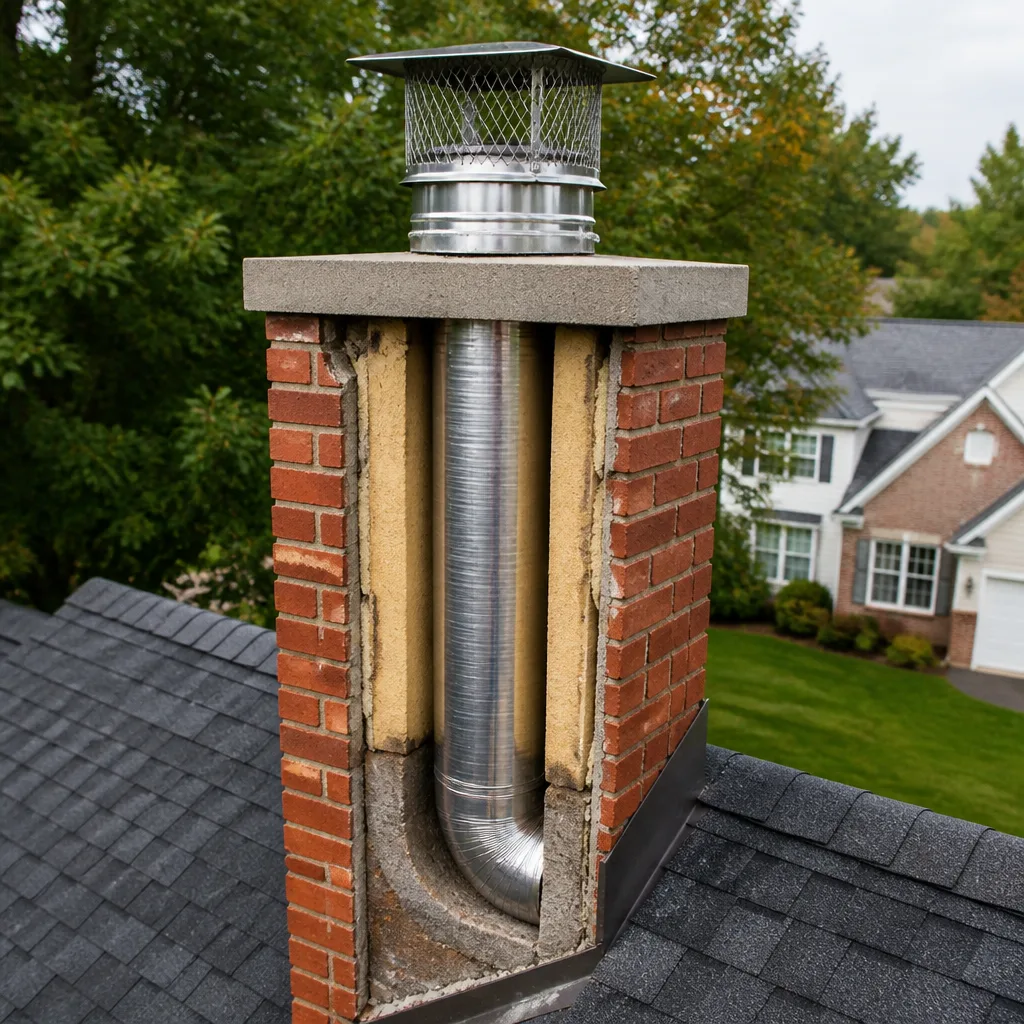 Flue relining
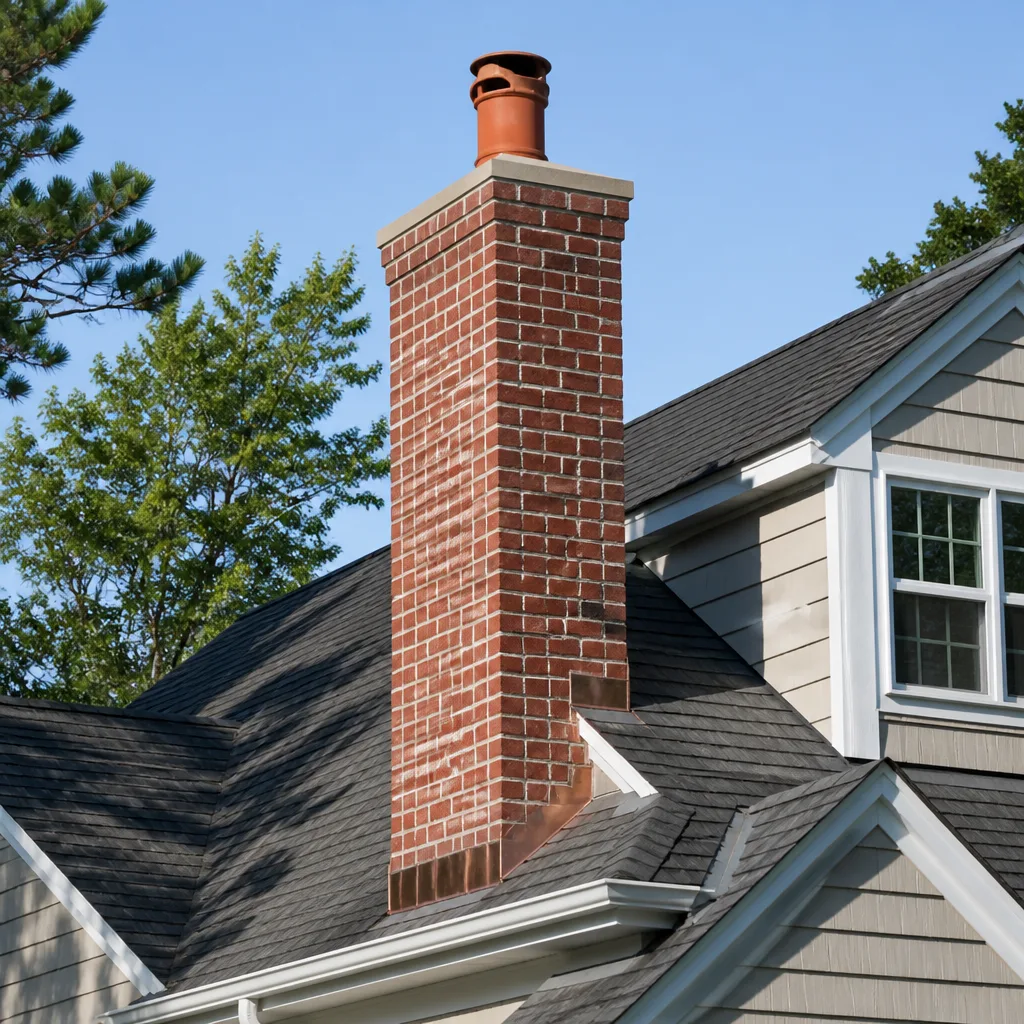 Masonry repair
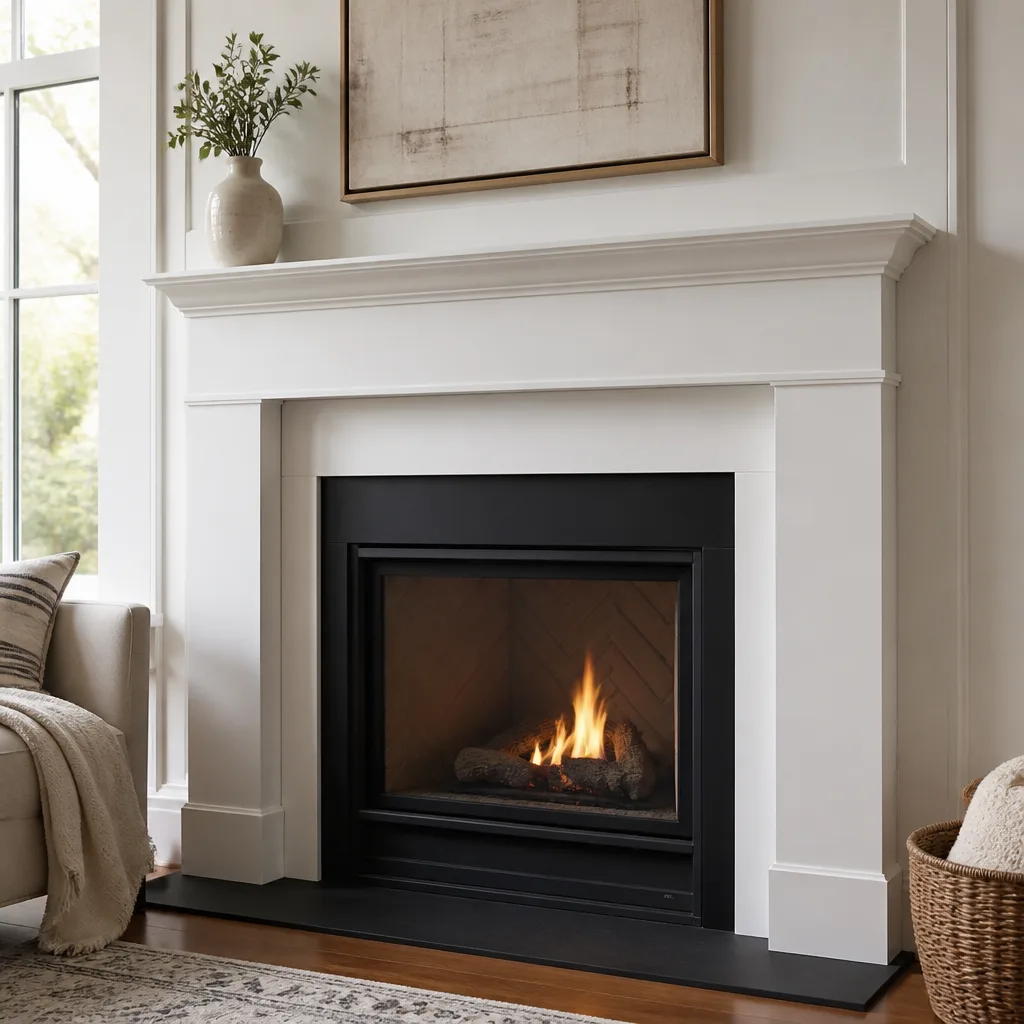 Gas fireplace service
Level 1 sweep and inspection to the NFPA 211 annual standard - flue, crown, cap, and flashing checked and photographed
Chimney sweep logs do not sweep chimneys. They loosen some creosote - which then falls where a brush and vacuum still have to collect it.
Chimney Cleaning Warning Signs: A Spring Branch Homeowner’s Reference Guide
A white stain on brick, a banging sound in wind, and a smoky smell on a warm day are three completely different problems. Most homeowners describe all three with the same words: “something seems off.” That’s the trouble with chimney symptoms. They arrive quietly, look alike from the living room, and point to very different causes underneath. This guide works backward from what you notice to what’s actually happening inside the flue and masonry. By the end, you’ll be able to describe your chimney accurately when you call, which is the single most useful thing a Spring Branch homeowner can do.
Quick Answer
The main warning signs that a chimney needs cleaning or inspection are: a strong smoky or acrid smell even when no fire is burning, white chalky staining on exterior brick, black glazed or flaky deposits visible above the damper, a cap that’s tilted or missing, rust on the firebox or damper, and smoke that rolls into the room instead of going up. Any one of these is reason enough to book an inspection before your next fire. Several together mean you should stop burning until a professional looks at it.
Styles & brands we work with
- Sweep & inspection
- Caps & crowns
- Flue relining
- Masonry repair
- Gas fireplace service
Table of Contents
- What White Stains on Your Chimney Brick Actually Mean
- Smoke Coming Into the Room: Pressure Problem or Blocked Flue?
- What Spring Branch Homeowners Notice After Storm Season
- Reading Creosote Stages Without a Camera
- Spalling Brick: The Slow Texas Damage Mild Winters Cause
- Smells and Sounds: A Symptom-to-Cause Map
- What a Proper Inspection Covers
- How Often a Spring Branch Chimney Really Needs Cleaning
What White Stains on Your Chimney Brick Actually Mean
A white, powdery stain on exterior chimney brick is called efflorescence, and it is not a cosmetic flaw. It’s masonry telling you that water is moving through the brick and mortar and drying out through the surface, leaving mineral salts behind. The stain is a symptom. The moisture that put it there is the problem, and it’s the same moisture that quietly weakens a flue from the inside out. When we see efflorescence on a Spring Branch chimney, we’re looking at a brick wall that’s getting wet and staying wet longer than it should.
Water gets in through the most common failure points:
- A cracked or missing crown. The concrete cap on top of the chimney shrinks and cracks over time. Once it does, water runs straight down into the masonry.
- Deteriorated mortar joints. Recessed mortar holds water. When joints erode, the path in widens.
- A loose or absent cap. An uncapped flue takes rain directly down the chimney.
- Failed flashing at the roofline. The metal seal where the chimney meets the roof is a common leak point, and it’s usually invisible from the ground.
The urgency question comes down to what the stain tells you. Thin efflorescence that brushes off is early. Thick, crusty, recurring bloom, especially when it’s paired with crumbling mortar or brick faces that look like they’re flaking, is a masonry that’s been wet for a long stretch and needs attention before the damage gets expensive. If the white staining sits below a crown with visible cracks, treating the crown and the cap is the first order of business. We carry Famco and Copperfield components for exactly this kind of repair. If you want to understand what a proper chimney cap & crown installation involves, we break it down on that page.
Smoke Coming Into the Room: Pressure Problem or Blocked Flue?
Smoke rolling into the living room instead of climbing the flue has two very different families of causes, and they get confused constantly. One is a pressure imbalance in the house. The other is a blocked or restricted flue. The fix for the first is often about how the house moves air. The fix for the second is chimney work. Telling them apart before you call saves you from paying for the wrong repair.
Pressure problems look like this
- The smoke appears mostly when you first light the fire and settles once the flue warms up.
- It happens more on windy days or when the kitchen exhaust fan, dryer, or bathroom vent is running.
- It shows up in a tightly sealed house with a second floor, where the chimney is on an exterior wall.
- Opening a nearby window for a moment makes it stop.
Those are all signs of the house pulling harder than the chimney. Negative pressure in the room means air, and smoke, will come down the chimney to fill the gap. A taller flue, a properly fitted cap, or an outside air source for the fire can help. That’s a conversation about the whole house, not just the flue.
Blocked flue problems look like this
- The smoke starts at the first sign of fire and never improves, warm flue or not.
- There’s a hiss or a muffled quality to the draft, and the fire never really takes.
- You can feel a strong down-draft at the firebox even without a fire going.
- Birds, nests, or a collapsed liner section are blocking the path.
A blocked flue is never something to burn through and hope for the best. It puts smoke and carbon monoxide into living space. The right first move is an inspection before you light another fire. Our full process is described on the main Chimney Sweep Spring Branch page if you want the sequence from inspection to repair.
What Spring Branch Homeowners Notice After Storm Season
Storms along this stretch of the Hill Country leave a signature on chimney tops, and it’s often subtle from the ground. The most common damage isn’t a dramatic collapse. It’s a crown that cracked a little more, a cap that shifted a few degrees, or a damper that seized because water got past a failed fitting. What homeowners actually notice is usually one of these:
- A rattle or bang in the wind. A loose cap, a dangling damper arm, or a failed mortar cap can all make noise. Anything that moves should not be moving.
- Water inside the firebox. Staining on the back wall after heavy rain usually points to a crown or flashing failure, not condensation.
- Pieces of mortar or debris in the firebox. Loose mortar from the smoke chamber or a crumbling crown washing down the flue.
- Rust on the damper or firebox metal. Metal doesn’t rust without prolonged moisture.
- A chimney that leans or looks out of line with the roof. This is a structural flag that deserves a same-week inspection.
Spring Branch’s weather gives masonry a fair test. Wet periods, long dry stretches, and big swing days put stress on mortar and stone. The compounding effect is what matters: a cracked crown allowed to stay wet for a season turns into loose brick by the next one. When the crown fails, we reset it. When the cap shifts, a properly fitted replacement does the job. DuraFlex, HeatShield, Gelco, and Olympia Chimney all show up in our repair work, depending on the failure. If you want to see what’s under your cap rather than guess, book the inspection before the next burning season. Call (833) 482-6711. We answer 24/7. Fast dispatch from 7am to 7pm, Sunday through Friday.
Reading Creosote Stages Without a Camera
You don’t need a camera to know roughly how much creosote is on the flue walls, because the firebox opening shows you more than most homeowners realize. Shine a strong flashlight up the throat of the chimney and into the first reach of the flue. What you can see there correlates with what’s higher up. Creosote builds in three recognized stages, and the stage tells you how urgently a sweep is needed.
The three stages
- Stage 1: soot and light flaky deposits. You’ll see a thin, dusty coat on the flue walls and a little soot on the smoke shelf. This is the normal byproduct of a fire that’s burning reasonably well. It accumulates and eventually needs a sweep.
- Stage 2: shiny, hardened deposits with some crust. Look for a glossy sheen on the flue wall, or black flakes that stick to the brick and don’t brush off easily. You may find curled crispy bits on the smoke shelf or the top of the firebox. This stage burns hot and needs a professional sweep and often a chemical treatment to break it down.
- Stage 3: glazed, glassy, tar-like buildup. The chimney wall looks like it’s coated in dark glaze and the surface is harder than it looks. Stage 3 is the most combustible and the hardest to remove. It’s a chimney-fire risk, and it usually means the fire has been smoldered or the wood is too green or unseasoned.
You can also read the fire itself. Firewood that hisses and steams is wet wood. Fires that burn sluggish and dark in the firebox make the worst creosote. If you’re seeing thick smoke rolling gently out of a cold wood fire, take a look up the flue with a flashlight. What you find there is your honest answer to “how urgent is this?” If you see Stage 2 or Stage 3, stop burning until a professional assesses the flue. Our chimney sweep work starts with that diagnosis.
Spalling Brick: The Slow Texas Damage Mild Winters Cause
Here’s something that surprises homeowners in a mild climate: freeze-thaw cycles aren’t limited to places with deep snow. What actually damages chimney brick is water getting trapped in the masonry, then expanding when temperatures dip overnight below freezing, then contracting the next day. Spring Branch winters regularly offer that pattern, so a chimney can experience many small cycles across a season. Each one widens a hairline crack a fraction more. Over years, the brick face starts to flake, peel, and fall away. That’s spalling.
Spalling looks like this:
- Brick faces that are pitting, peeling, or crumbling from the surface inward.
- Small flakes of brick on the roof or on the ground beneath the chimney.
- Mortar joints that look eroded or recessed, like the joint material has been eaten away.
- A chimney that’s starting to feel rough to the touch, where a healthy brick surface should feel hard.
Because spalling is slow, it’s easy to miss for a whole burning season. That’s the danger. Spalling brick that goes unattended eventually compromises the chimney’s structural integrity and can allow water into the flue. When we spot early spalling, we can often arrest it by fixing the source of the water, repairing the damaged masonry, and protecting the crown. Left for another five years, the same chimney could be a much bigger repair. If you want to know what structural repair work involves, we cover the full scope on our chimney repair page. The takeaway is simple: white staining and flaking aren’t cosmetic signs. They’re timing signals, and earlier is cheaper.
Smells and Sounds: A Symptom-to-Cause Map
Homeowners describe chimney problems by smell and sound more often than by anything visual. That’s not a weakness, it’s genuinely useful information once you know what each one usually means. Here’s the map we use when someone calls and describes a symptom without a diagnosis.
Smells
- A smoky smell on warm days, with no fire. This is usually the chimney “breathing back” when the outdoor air is warmer than inside the house. Pressure flips, air pushes down the flue, and soot smell comes with it. It’s a pressure or flue draft issue, not an active fire risk, but it’s worth an inspection to confirm the flue is clean.
- An acrid, hot, sharp smell during or just after a fire. This suggests creosote is being burned off, or the fire is running too hot for the buildup present. Stop burning and get a sweep before the next fire.
- A damp, earthy, musty smell. Water is in the system somewhere. Likely crown, cap, or flashing failure. Efflorescence on the exterior confirms it.
- A rotten egg or gas smell. This is a gas issue if you have a gas fireplace or gas logs, and it’s a call-your-gas-utility-now situation, not a chimney-sweep matter. Please treat it that way.
Sounds
- A rattle or bang in the wind. Loose cap, loose damper arm, or a shifting mortar cap. Not dangerous by itself, but worth fixing before a storm turns it into a bigger problem.
- Rushing air when you open the damper. A strong rush is a good draft. A weak hiss or nothing at all suggests a restriction or a very tall, cold flue.
- A rhythmic tapping or flapping. Almost always a bird, squirrel, or debris inside the flue. Cap it after removal.
- Crackling that sounds like it’s coming from above the fire. That’s a chimney fire signature, and you should treat it as one until proven otherwise.
If any of these fit what you’ve noticed, describe it in your own words when you call. That’s how we route the right inspection.
What a Proper Inspection Covers
An inspection isn’t a walkaround with a flashlight. It’s a documented check of the full system, and it’s the step that tells you exactly what (if anything) needs work. Our technicians have up to 14 years of experience going into fireboxes and flues, and they know what to look for at each stage. Here’s the sequence we work through:
- Firebox check. Brick condition, mortar joints, and the firebox floor for cracks or heat damage.
- Damper operation. Full travel, seating, and rust or wobble that would affect a seal.
- Smoke chamber and throat. This is where creosote collects and where most chimney fires start. Any offset in the chamber affects draft.
- Flue walls, floor to top. Camera inspection with a photo report where needed, so you see what we see.
- Cap and crown from the roof. Cracks, seating, anchoring, and any storm damage.
- Flashing and roofline. The metal and sealant at the roof-penetration joint.
- Exterior masonry. Spalling, efflorescence, and mortar condition.
- Overall assessment. What’s urgent, what can wait, and what’s normal wear.
The report should tell you which findings are safety-relevant and which are cosmetic. If a technician recommends relining without showing you photo or video evidence of a damaged flue, ask for it before you approve the work. Nothing should be recommended without camera evidence you can look at yourself. That’s the standard we hold ourselves to. A proper inspection stands on its own as a service, which is why we offer it as a standalone, no-pressure option. If you’ve inherited an older fireplace in a new-to-you Spring Branch house, this is the first call to make.
How Often a Spring Branch Chimney Really Needs Cleaning
“Once a year” is the working rule for a chimney that gets regular use, and it stands up well for most houses. But frequency should follow the wood you burn and the hours you burn, not the calendar. Here’s how we think about the schedule:
- Burning seasoned hardwood a few fires a week in the cool months: annual cleaning is usually sufficient.
- Burning every day through the winter, or burning softer wood: the buildup is faster, so plan for a mid-season check as well.
- Any sign of Stage 2 or Stage 3 creosote: clean before the next fire, regardless of when the last sweep happened.
- A new home with an unknown chimney history: inspect first, then establish your own baseline.
- A chimney that hasn’t been used at all: have it checked before the first use. Nests, debris, and past stack damage don’t show from the outside.
Season matters more than most homeowners realize. In Spring Branch, the smart move is to schedule in spring or early summer, before the first cool evening inspires everyone else to call. Booking the Chimney Sweep Spring Branch sweep while the fireplace is idle means you can spend the fall on the woodpile and not on a chimney waiting list. If your annual sweep turns up a bed of Stage 2 creosote along with a cracked crown, the inspection will tell you exactly which repairs can safely wait until cooler weather and which shouldn’t. If you want the full inspection service scope, we cover it in detail on our inspection page.
Common Mistakes to Avoid
- Assuming white staining is just weathering. It’s efflorescence, which signals active moisture movement. Ignoring it lets the same water that made the stain keep damaging the masonry.
- Treating backdraft with a window crack and never checking the flue. A pressure fix doesn’t rule out a blockage. If the smoke doesn’t clear as the flue warms, it needs an inspection, not more windows open.
- Burning a fire to “burn out” the creosote. That’s the exact condition that causes chimney fires. Stage 2 or Stage 3 buildup comes out with a sweep, not a hotter fire.
- Burning green or unseasoned wood because it was cheap or nearby. Wet wood makes the worst creosote, and in Spring Branch the cost of a chimney fire far outweighs any savings at the woodpile.
- Hiring a sweep who skips the camera and sells you a relining on the first visit. Ask to see photo evidence of the flue before you approve any structural work.
- Waiting until the first cold snap to book. The whole neighborhood remembers the fireplace on the same morning, and the schedule fills. Spring booking has a real cost advantage.
- Skipping the cap because it looked fine from the driveway. A shifted cap, a cracked crown, and a rusted damper are all visible in a proper roof-level inspection and invisible from ground level.
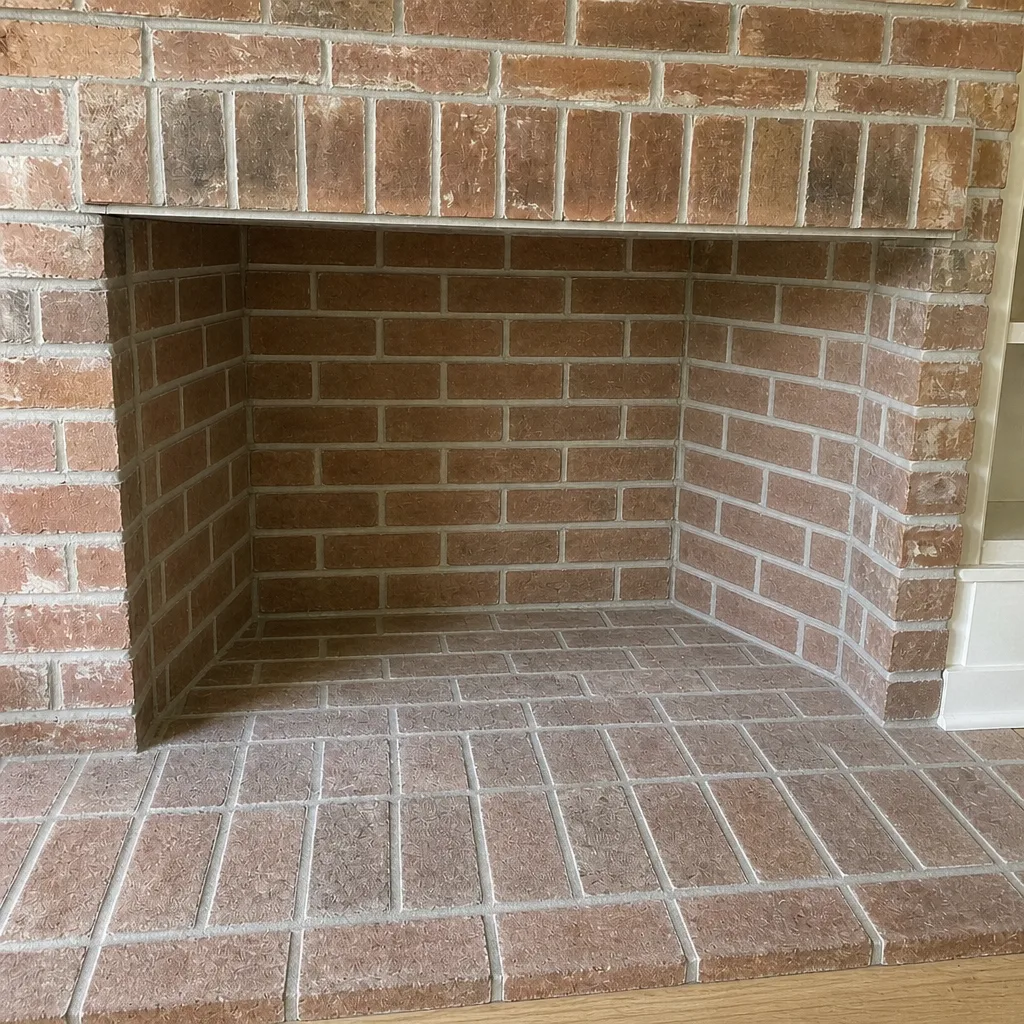
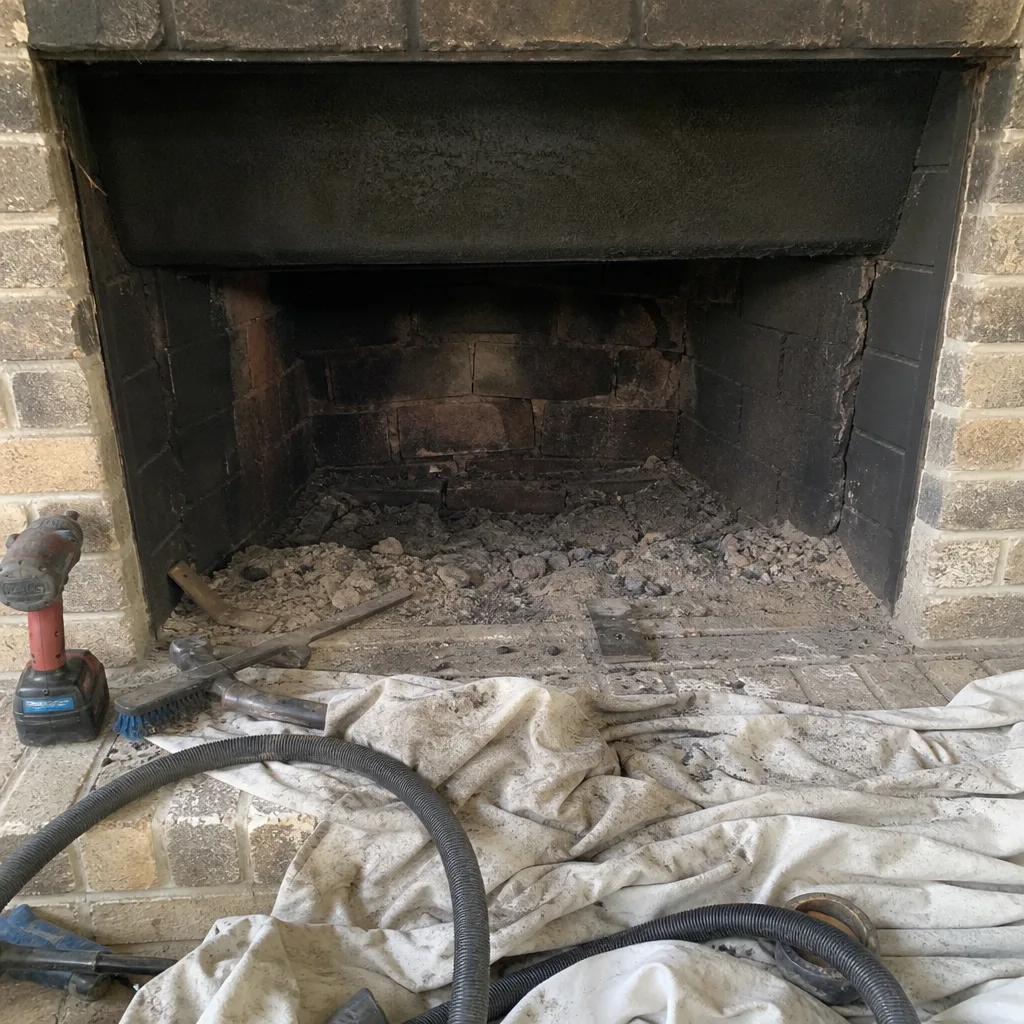
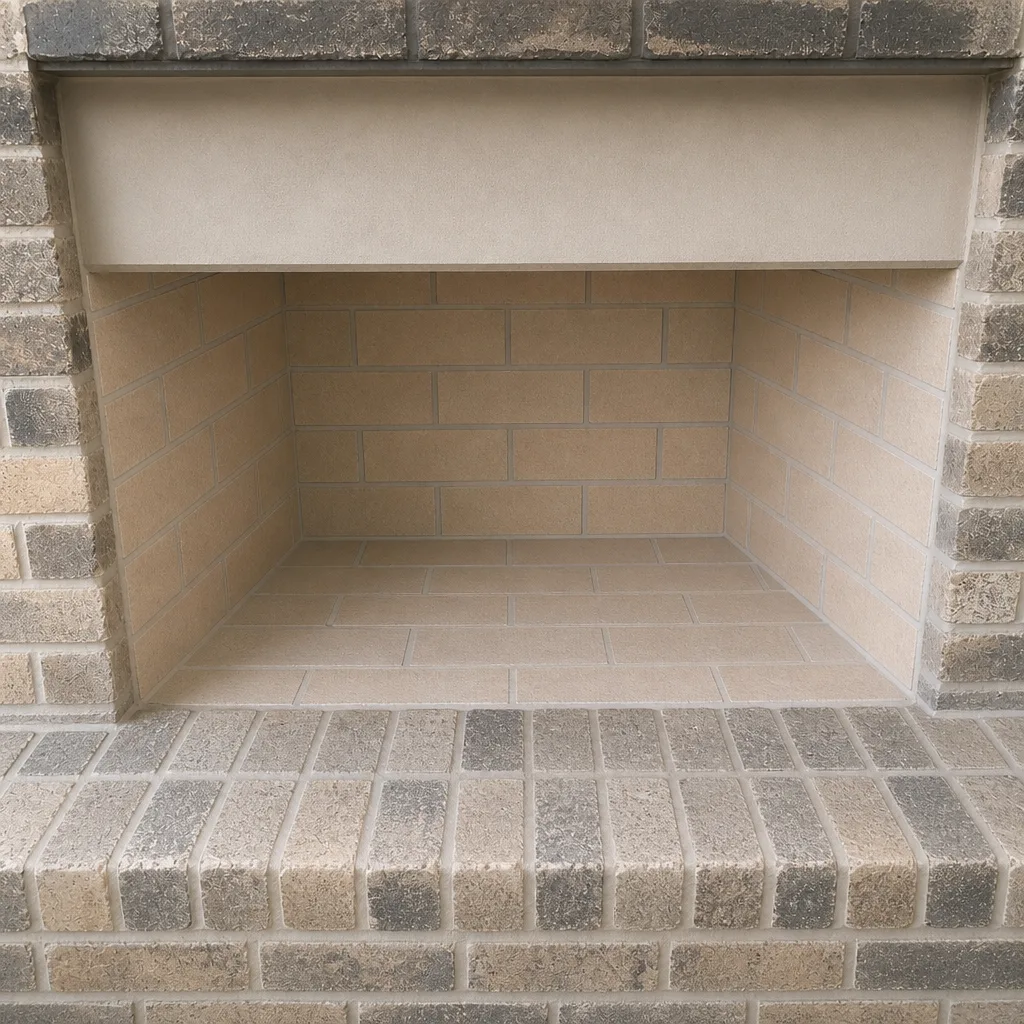
See the difference
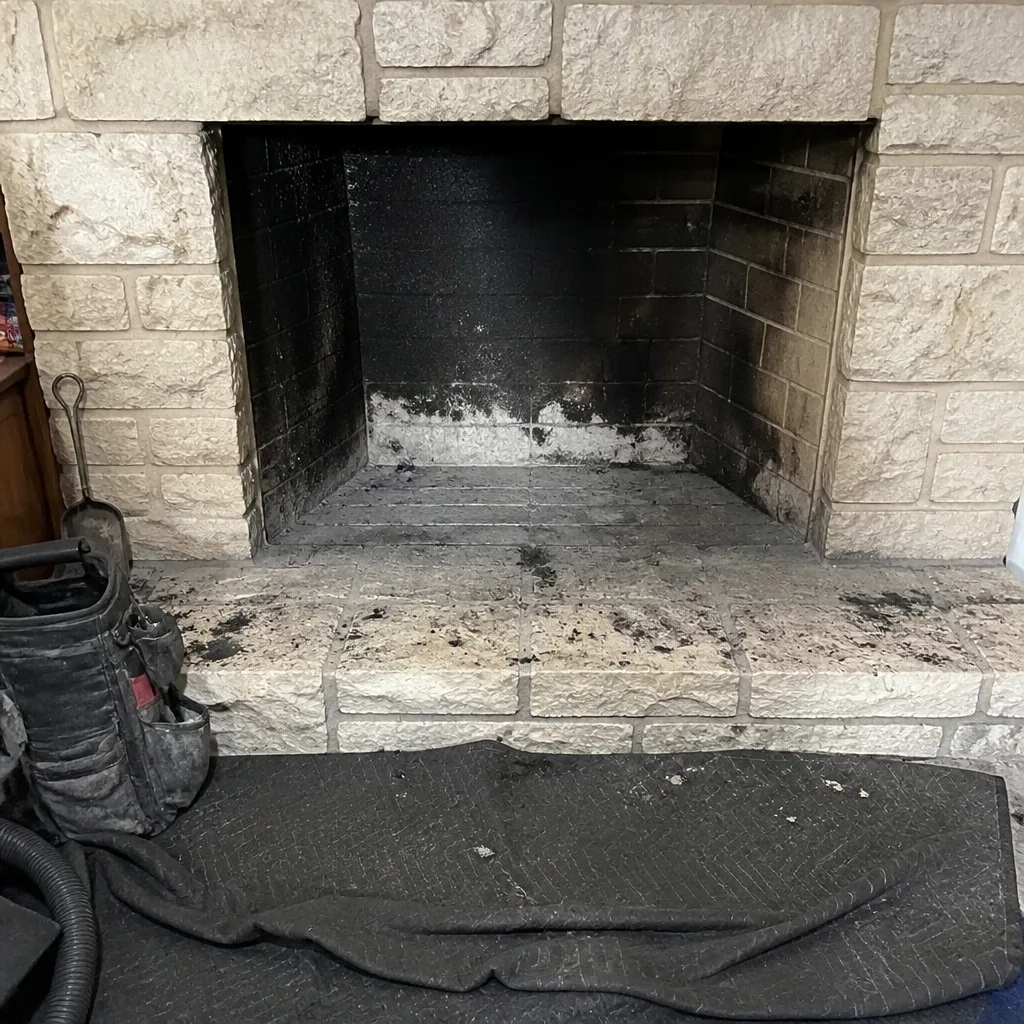 Before
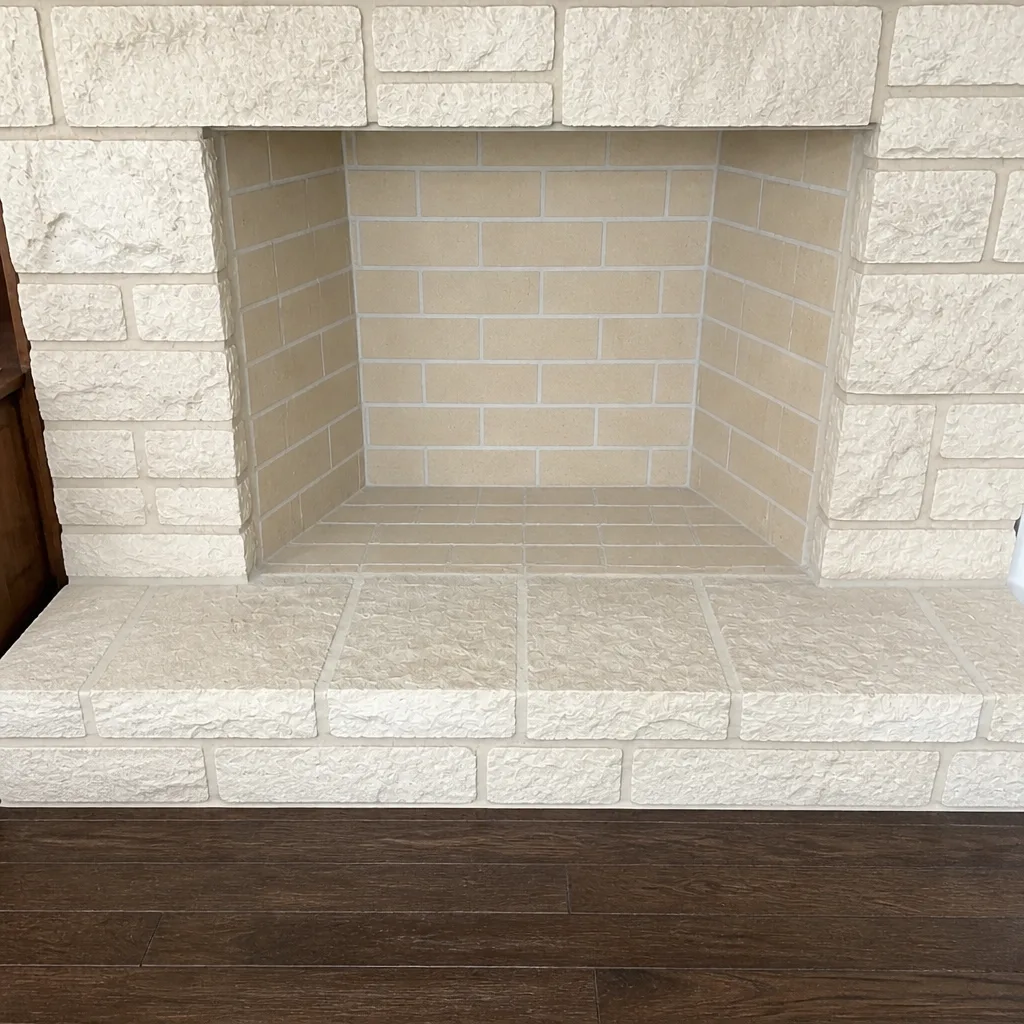 After
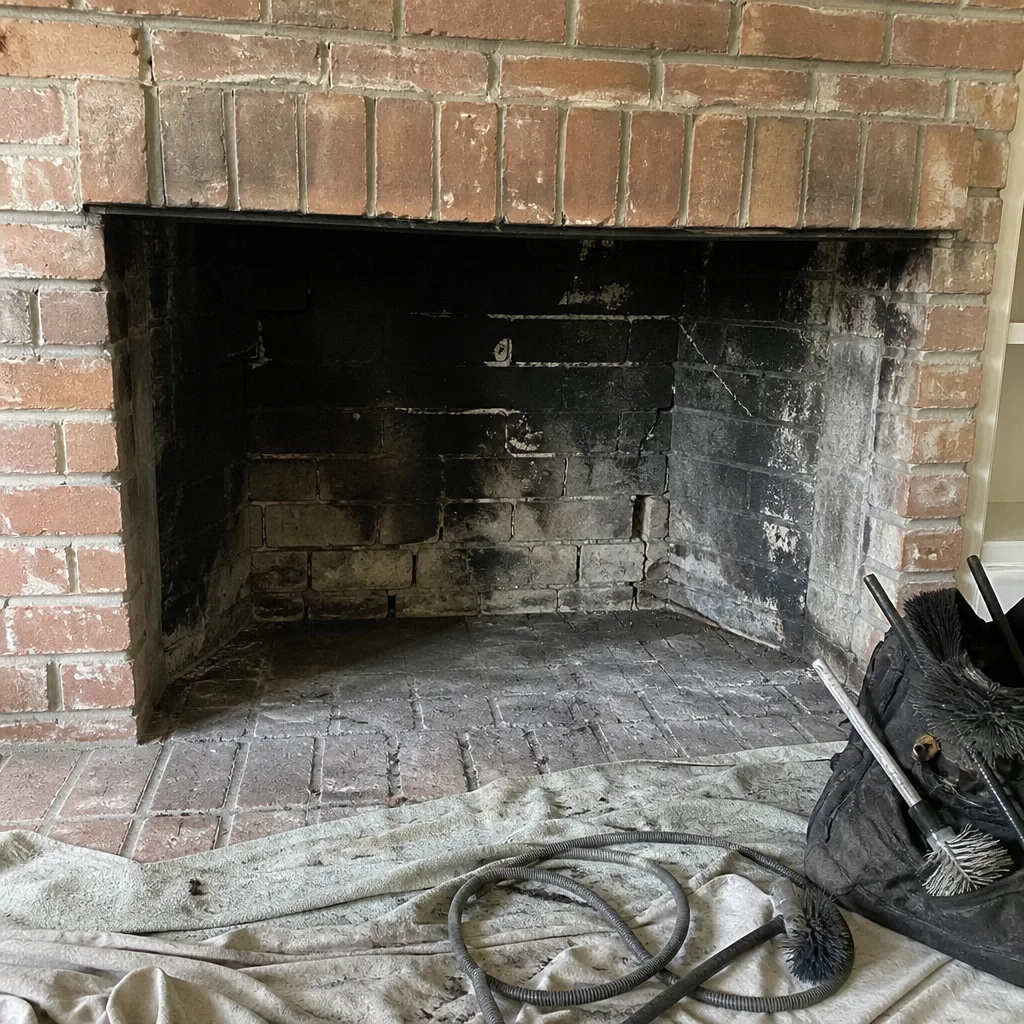 Before
 After
 Before
 After
When to Call a Professional
Call a professional when you see Stage 3 glazed creosote, when smoke rolls into the room and doesn’t stop, when the firebox or damper shows rust, or when you spot spalling or efflorescence on the exterior masonry. Call before your first fire in a new-to-you home, and call before lighting up if a chimney hasn’t been used in more than a year. Stop burning and call if the flue has any obstruction you can see, feel, or hear. And treat a chimney fire like an emergency: call the fire department first, then a chimney professional before relighting. Chimney Sweep Spring Branch offers free estimates in Spring Branch. Call (833) 482-6711. We answer 24/7. Fast dispatch from 7am to 7pm, Sunday through Friday. Saturday is closed; a call that comes in then is booked into the next opening.
Frequently Asked Questions
The most common signs are a smoky smell inside the house even without a fire burning, black or glazed deposits visible above the damper, white staining on exterior brick, a cap that’s loose or missing, rust in the firebox or on the damper, and smoke that rolls into the room. Any one of these is a reason to book an inspection. Two or more together mean you should stop burning until a professional looks at it. Call (833) 482-6711 for an exact assessment, with free estimates.
White staining is efflorescence, and it’s the residue left behind when water moves through brick and mortar and evaporates, carrying mineral salts to the surface. It’s a moisture signal, not a cosmetic one. The underlying cause is usually a cracked crown, failed flashing, or eroded mortar joints. Fixing the source is what stops the stain from returning and stops the slow damage continuing.
Creosote is combustible, and in Stage 3 it’s the leading cause of chimney fires. You can get a fair read from the firebox opening with a bright flashlight: thin sooty coat is Stage 1, shiny flakes that stick to the flue are Stage 2, and a glassy tar-like coat is Stage 3. If you see Stage 2 or Stage 3, stop burning and book a sweep. Call (833) 482-6711 and we’ll walk you through what to check before you call.
Intermittent smoke is almost always a pressure problem, not a blocked flue. The most common culprits are kitchen exhaust fans, bathroom vents, dryers, and tight modern construction pulling more air than the flue can replace. If opening a nearby window stops it, it’s pressure. If the smoke appears at every fire and never improves, it’s a blockage and deserves an inspection before you burn again. Call (833) 482-6711 for a diagnosis. We answer 24/7. Fast dispatch from 7am to 7pm, Sunday through Friday.
Once a year for a regularly used fireplace is the working rule, and it holds true for most homes in Spring Branch. If you burn every day through winter, or burn softer wood, expect to add a mid-season check. Any sign of Stage 2 or Stage 3 creosote means clean before the next fire, regardless of timing. Spring scheduling is smart here, before the fall rush on sweeps.
Not always, and anyone who says otherwise before showing you photo or video evidence should be questioned. A liner is needed when the flue has a genuine breach, separation at joints, or widespread spalling on the interior. HeatShield resurfacing can sometimes restore a damaged flue without full relining, and DuraFlex flexible liner systems handle the cases where resurfacing isn’t enough. Ask to see the camera evidence before you decide. Call (833) 482-6711 for an inspection with a photo report you can look through yourself.
The Bottom Line
The homeowner’s job isn’t to diagnose the chimney, it’s to notice and describe accurately. White staining means moisture. Smoke into the room means pressure or blockage. Rattle in the wind means a loose cap. Glazed black on the flue means creosote at a dangerous stage. Flaking brick means spalling and time to act. If you can name the symptom, a chimney professional can go straight to the right inspection instead of guessing. Book the inspection in spring, clean before the heavy burning season, and don’t approve a repair without evidence you can see. That sequence is what keeps a Spring Branch chimney healthy for the long run, and it’s the standard every appointment should meet.
Chimney Sweep Spring Branch carries and installs DuraFlex, HeatShield, Gelco, Olympia Chimney, Famco, and Copperfield components. From the first full inspection through chimney cap & crown work, structural chimney repair, and fireplace repair, one team walks your chimney through every stage. When you’re ready for a diagnosis-driven inspection with a photo report and a flat estimate agreed before booking, call (833) 482-6711. We answer 24/7. Fast dispatch from 7am to 7pm, Sunday through Friday, and estimates are free.
Written by the team at Chimney Sweep Spring Branch.