
Last updated November 24, 2026
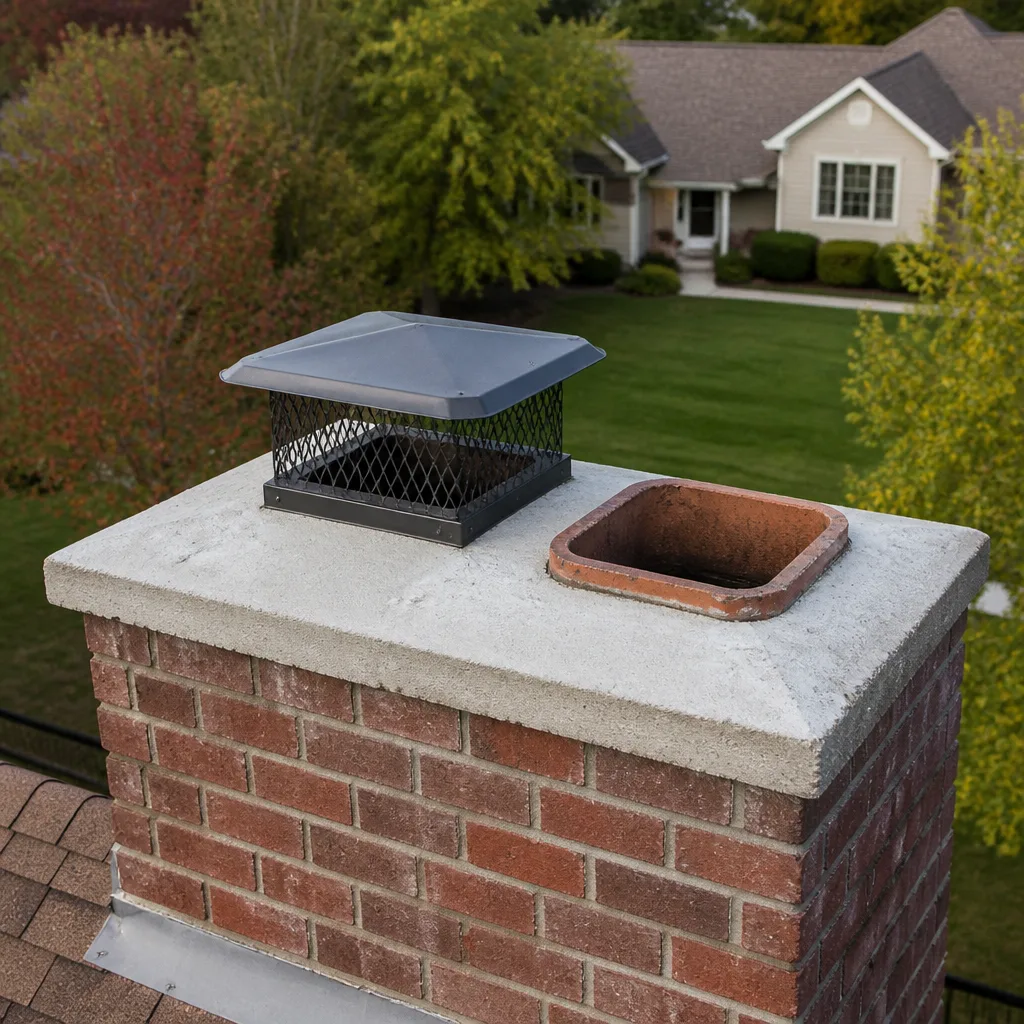 Sweep & inspection
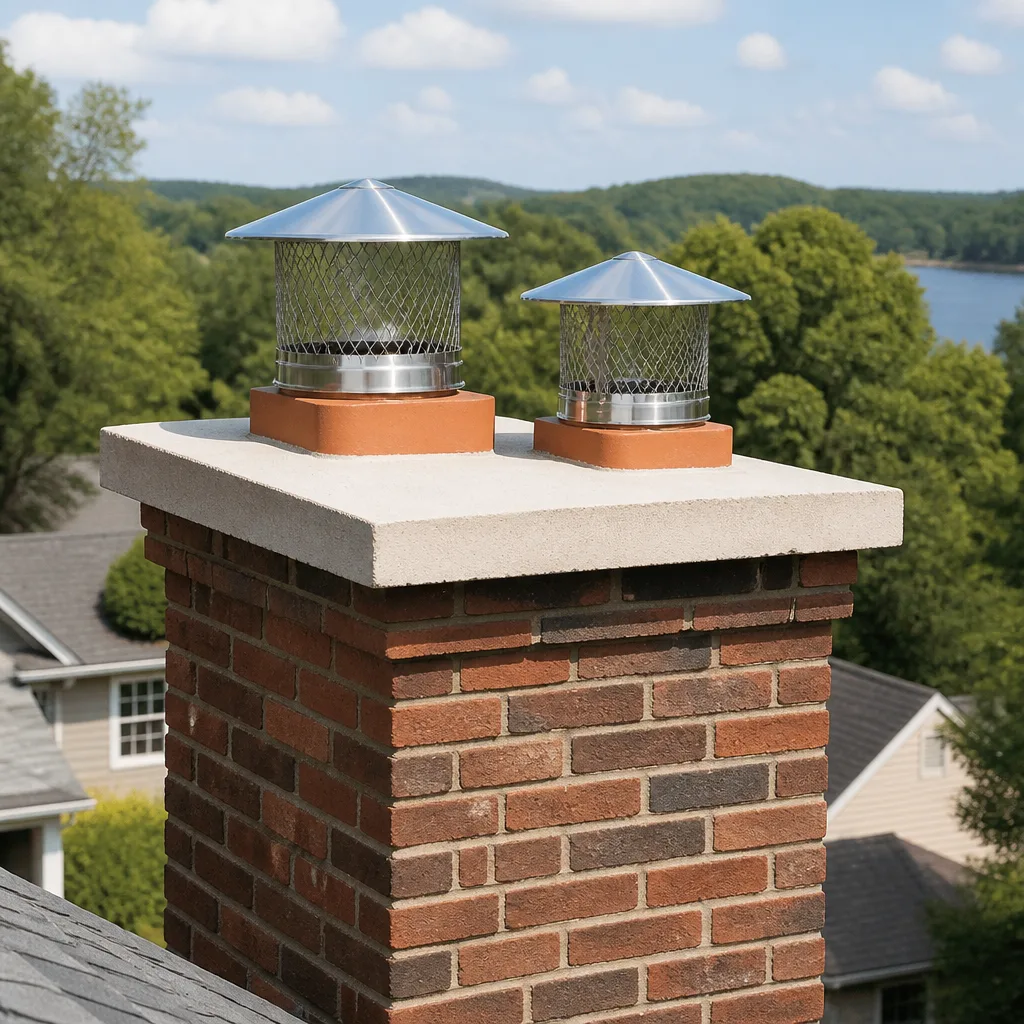 Caps & crowns
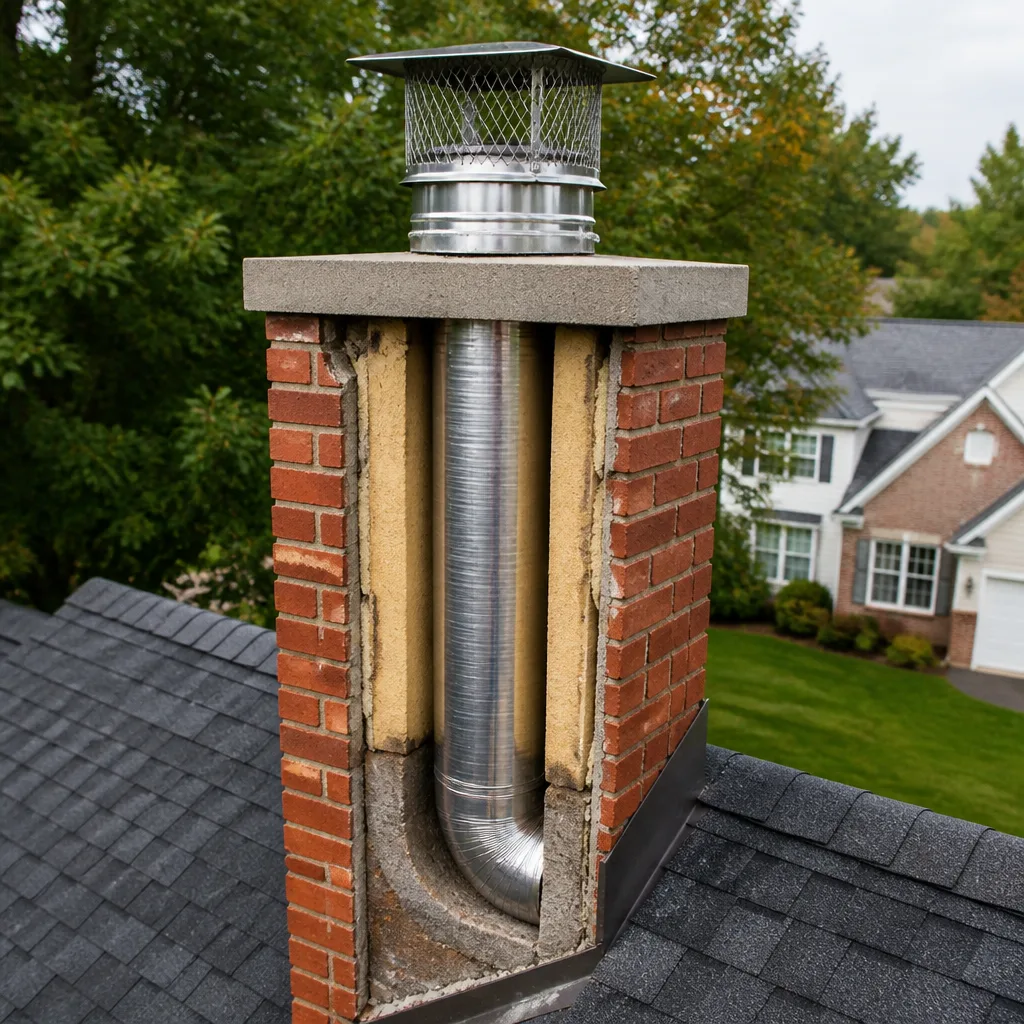 Flue relining
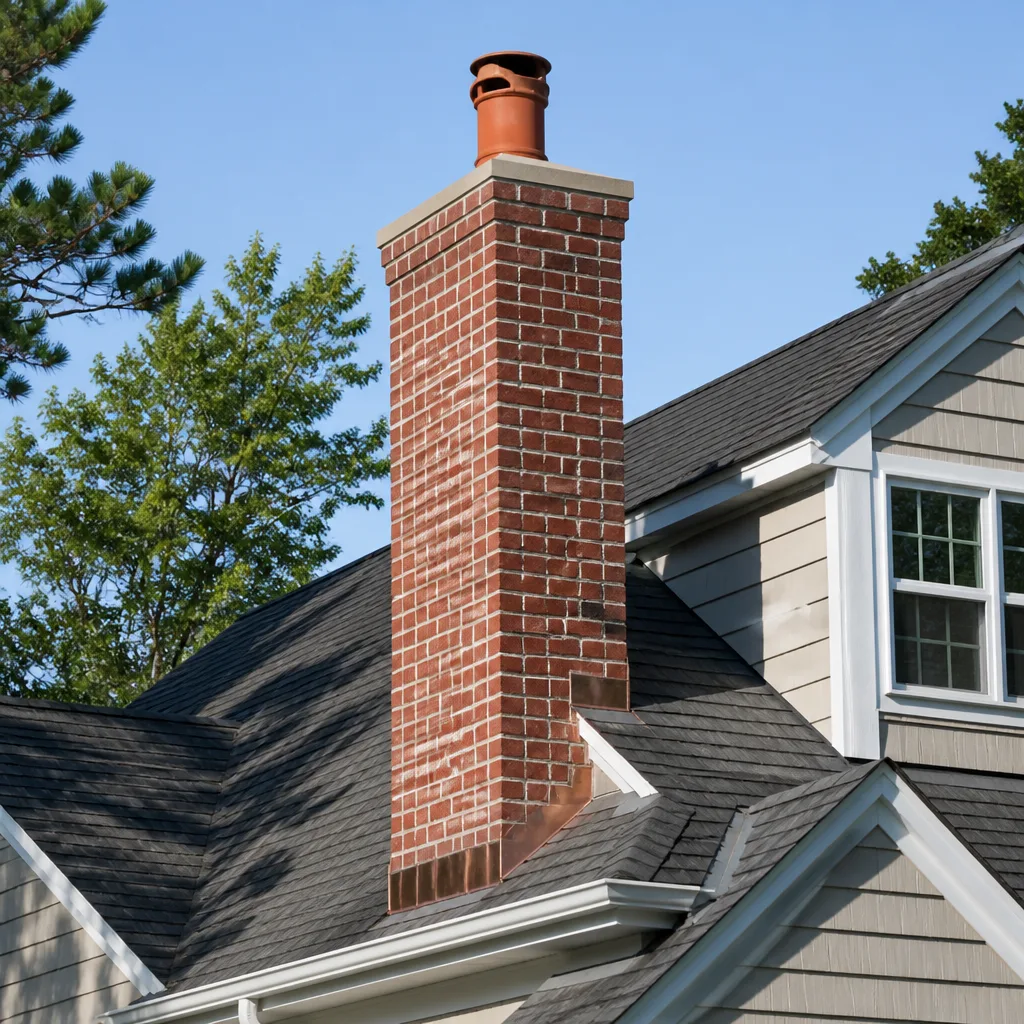 Masonry repair
 Gas fireplace service
Level 1 sweep and inspection to the NFPA 211 annual standard - flue, crown, cap, and flashing checked and photographed
Chimney sweep logs do not sweep chimneys. They loosen some creosote - which then falls where a brush and vacuum still have to collect it.
Chimney Cleaning Permits, Codes & Inspections in Spring Branch, TX: What You Need to Know
Most homeowners assume permits are a contractor’s problem. In Texas, they’re wrong about that, and the gap matters most around the chimney. A routine cleaning doesn’t need a permit, but the liner replacement or firebox rebuild that a cleaning sometimes uncovers usually does, and unpermitted chimney work can follow a homeowner into an insurance claim years later. This guide sorts the two apart: what’s maintenance, what’s permitted construction, what Texas law does and doesn’t require of the people doing the work, and what records you should walk away with. If you’ve just bought a house in Spring Branch with an older fireplace, read the whole thing before your first fire.
Quick Answer
A standard chimney cleaning in Spring Branch does not require a permit. Structural work around the chimney – a liner replacement, firebox rebuild, chase modification or new chimney construction – generally does require a permit from the City of Spring Branch or Kendall County, depending on where the property sits and what the work involves. Texas does not license chimney sweeps at the state level, so the standard that inspectors and insurance adjusters actually reference is NFPA 211, and a Level 2 inspection report is the closest thing most homeowners will ever have to an official record of their chimney’s condition.
Styles & brands we work with
- Sweep & inspection
- Caps & crowns
- Flue relining
- Masonry repair
- Gas fireplace service
Table of Contents
- Routine maintenance vs. permitted construction: where the line sits
- Why Texas doesn’t license chimney sweeps, and what replaces licensing
- NFPA 211: the national standard Texas inspectors use
- What a Level 2 inspection report documents
- How to request documentation that protects you later
- Kendall County, City of Spring Branch and HOA requirements
- How unpermitted chimney work affects insurance claims
- Hill Country climate and what it does to chimney systems
Routine Maintenance vs. Permitted Construction: Where the Line Sits
The cleanest way to think about it: anything that removes soot and creosote is maintenance, and anything that changes the structure or the flue itself is construction. Cleaning falls on the maintenance side. So does a visual inspection, a cap swap on an existing crown, or replacing a damper that’s simply worn out. Those jobs restore a chimney to the condition it was built in, and the city isn’t interested in them.
Permits enter the picture when the work changes what the chimney is. In and around Spring Branch, these are the jobs that typically require a permit, and the exact requirement depends on whether the property is inside city limits or out in unincorporated Kendall County:
- Liner replacement or relining. A new flue liner, whether rigid stainless or a flexible system such as DuraFlex, alters the chimney’s internal structure and its rated venting.
- Firebox rebuilds. Rebuilding the firebox involves masonry and refractory work that affects clearances to combustibles.
- Chase and crown reconstruction. A new crown or a rebuilt chase is structural masonry, even though it sits outdoors.
- New chimney construction or significant height changes. Adding height or building a new flue is clearly permitted work.
- Converting a fireplace’s fuel type. Switching a wood-burning fireplace to gas, or installing an insert with a new liner, generally triggers a permit and often an inspection.
Routine chimney sweep appointments sit firmly on the maintenance side. Where homeowners get into trouble is assuming the whole job is maintenance because it started as a cleaning. The moment a sweep turns into a repair, ask the question out loud: does this piece require a permit here? A specialist should be able to answer it plainly, and if the answer is yes, the permit should be pulled before the work, not after.
Why Texas Doesn’t License Chimney Sweeps, and What Replaces Licensing
Texas has no state-level licensing program for chimney sweeps or chimney repair contractors. That’s the single most important fact in this guide, and it cuts in two directions. On one hand, it means there’s no state registry to check, no license number to verify, and no state board to complain to if the work goes badly. On the other, it means the industry here runs on a mix of voluntary credentials, manufacturer training programs, insurance requirements and local permit inspections rather than a state license.
The practical effect is that accountability shifts to the homeowner. When a contractor holds a state license, the state is doing some of your vetting for you. In Texas, you’re doing it. That’s not a reason to avoid chimney work; it’s a reason to ask better questions before you hire. In our experience, the contractors who welcome those questions are the ones who’ve invested in training and materials rather than cutting corners.
What replaces licensing, in practice:
- Manufacturer certifications. Brands like HeatShield and DuraFlex train and authorize the contractors who install their systems. A contractor who carries and installs these products has been through a training pipeline that a general handyman hasn’t.
- Voluntary industry certification. Some sweeps hold credentials from national chimney trade organizations. These aren’t required by Texas law, but they’re a signal of commitment to the trade.
- Insurance and bonding. A legitimate chimney contractor carries general liability insurance, and you should ask for proof. This is your real protection if something goes wrong on your roof.
- Local permit inspections. When a permit is required, the city or county inspection is the closest thing to a third-party quality check you’ll get.
None of this is exotic. It’s the same set of checks you’d apply to any trade where Texas doesn’t license the work. The point is to apply them, because nobody else will.
NFPA 211: The National Standard Texas Inspectors Use
NFPA 211 is the national standard for chimneys, fireplaces, vents and solid fuel-burning appliances. Texas doesn’t have its own chimney code, so when a city inspector, an insurance adjuster, or a real estate inspector evaluates chimney work in Spring Branch, NFPA 211 is the reference they’re working from. It covers clearances to combustibles, liner requirements, chimney height above the roofline, and the inspection levels that define what a sweep is actually doing when they say “inspection.”
Understanding this matters for a homeowner because it’s the shared language everyone uses when something goes wrong. If your chimney is evaluated after a fire, the adjuster will be looking at whether the installation met NFPA 211 clearances. If you sell the house, the buyer’s inspector will reference the same standard. If the city inspects permitted work, NFPA 211 is under the inspector’s arm.
The parts of NFPA 211 that come up most often around Spring Branch:
- Clearances to combustibles. The space between the chimney structure and framing, insulation or roofing materials. Deficient clearances are a leading cause of chimney fires that spread beyond the flue.
- Liner requirements. Every flue that carries combustion products needs a suitable liner, and a damaged liner is a failed liner under the standard. This is where relining or HeatShield resurfacing usually enters the conversation.
- Termination height. Where the top of the flue must sit relative to the roof surface and nearby structures for proper draft.
- Inspection levels. Level 1, Level 2 and Level 3 inspections, each with a defined scope of what’s examined and documented.
You don’t need to memorize the standard. You do need to know it exists, because it’s what your contractor should be referencing when they explain why a repair is recommended. A specialist who talks in terms of clearances, liner condition and termination height is working from the standard; one who talks only in vague warnings isn’t.
What a Level 2 Inspection Report Documents
A Level 2 inspection is the inspection most homeowners should ask for when they’ve recently bought a house, when they’ve changed anything about the heating appliance, or when they’re about to have significant chimney work done. It’s also the standard inspection when a property changes hands. Where a Level 1 is a visual check of accessible portions, a Level 2 adds a camera inspection of the flue interior and examines accessible portions of the chimney structure – and it’s documented.
That documentation is the point. For many Spring Branch homeowners, the Level 2 report is the closest thing to an official record of their chimney’s condition that they will ever hold. It’s what you show an insurance adjuster years from now, what you hand to a buyer’s inspector, and what a future contractor references when deciding whether previous work was done correctly.
A proper Level 2 report should include:
- A written narrative of the inspection findings. Not just checkboxes, but plain descriptions of what was observed and where.
- Camera footage or still images of the flue interior. The liner condition, joints, and any obstruction or breach should be documented visually.
- A description of exterior chimney and cap condition. Crown, chase, cap fitment, and termination height.
- Clearance observations. What the inspector observed about distances to combustibles, at least for accessible portions.
- Recommendations in order of priority. What’s urgent, what can wait, and what’s simply a note for future reference.
If a contractor hands you a verbal summary with no document, that’s not a Level 2 inspection. Ask for the report in writing, with images. A specialist who does this routinely will have no objection to providing it, and one who balks at that request is telling you something.
How to Request Documentation That Protects You Later
The best time to collect documentation is before the work, not after. A homeowner in Spring Branch who asks the right questions at the estimate stage ends up with a paper trail that survives a change of contractor, a home sale, or an insurance claim. Here’s the process, in order:
- Request the written estimate before any work begins. It should name the scope of work, the materials being used, and whether a permit is required. The written estimate also sets the final price, so there are no surprises later.
- Ask whether a permit will be pulled, and by whom. If the job requires a permit, the contractor should be able to tell you who pulls it and what inspection it receives. If the work is exempt, ask for that answer in writing.
- Ask for proof of insurance and any relevant manufacturer authorization. A general liability certificate is standard. If the contractor is installing a HeatShield or DuraFlex system, they should be able to tell you they’re authorized for that product.
- Request the inspection report with images. Whether it’s a Level 2 report or a camera inspection that accompanies a sweep, keep it. It’s the base document for any future work.
- Get receipts and material specifications for the parts installed. Brand, model and specification sheets. These matter if a future inspector or adjuster needs to know what’s in the flue.
- Keep the permit number and inspection sign-off. If a permit was pulled, keep the paperwork. That sign-off is a third-party confirmation the work passed inspection.
None of this is complicated, and in our experience, most homeowners who ask for it get it without pushback. Contractors who routinely work through permitted jobs already have the documentation in hand. The request filters out the ones who don’t.
Kendall County, City of Spring Branch and HOA Requirements
Spring Branch straddles city and county jurisdiction, and the distinction matters for permits. Properties inside the City of Spring Branch fall under the city’s building permit process. Properties out in unincorporated Kendall County follow the county’s process. That difference isn’t unusual in this part of the Hill Country, but it’s worth settling early, because a contractor who works only one side of that line may not know the other’s requirements.
The practical way to settle it is straightforward. Before any permitted chimney work begins, confirm two facts: which jurisdiction your address falls under, and what that jurisdiction requires for the specific scope of work. A short call to the City of Spring Branch or Kendall County’s permitting office will give you both answers. Don’t rely on a contractor’s casual assurance that “it doesn’t need a permit here”; that’s a claim worth verifying directly when the work involves structural changes.
Homeowners in subdivisions around Spring Branch also need to check their HOA covenants. HOAs sometimes restrict exterior changes – a new chase design, a chimney cap style that differs visibly from neighbors, or a rebuild that alters the roof profile. These requirements are separate from the city or county permit, and one doesn’t satisfy the other.
Finally, if you’re working with a contractor who handles permitted jobs routinely, ask them to walk you through the jurisdiction question at the estimate stage. The Chimney Sweep Spring Branch team connects homeowners with independent local professionals, and we can help you understand what a typical job involves in this area – including when a permit should be in play. The local pro is licensed and insured as their state requires, and the written estimate you receive sets the final price.
How Unpermitted Chimney Work Affects Insurance Claims
This is the part homeowners miss. Unpermitted chimney work doesn’t usually cause problems on the day it’s done. It causes problems after a fire or a carbon monoxide incident, when the insurance adjuster arrives and starts asking who did what and whether it was permitted. If the answer is that a liner was replaced without a permit, the claim can be contested on exactly that ground – because the adjuster can’t confirm the work met code, and unpermitted structural work is a well-known basis for denying or reducing a claim.
That’s not a scare tactic, and we’re not saying a claim will be denied. We’re saying the risk is real, and it’s the kind of risk a homeowner can eliminate with a phone call and a permit. The same principle applies to carbon monoxide. A liner that’s improperly sized or a flue with compromised joints doesn’t vent safely, and the fact that the work was never inspected means nobody independently confirmed it was correct.
What protects you in a claim:
- Permit records on file with the city or county. The permit and the inspection sign-off together prove the work was permitted and passed inspection.
- The written estimate and materials specifications. These show what was installed, when, and by whom.
- The inspection report and images. Pre-work and post-work documentation gives the adjuster a factual basis for evaluating the chimney.
- Proof the contractor was insured at the time. This one is overlooked and important; without it, the homeowner can end up absorbing costs a policy would normally cover.
If you’re reviewing work a previous owner had done, the absence of these records isn’t a disaster. It’s a reason to have a Level 2 inspection now, so you know what’s in the flue and can document it going forward. Get the current condition on record before anything else happens.
Hill Country Climate and What It Does to Chimney Systems
Spring Branch sits in the Hill Country, which matters for chimney maintenance in a specific way: winters are mild, so fireplaces tend to get used in concentrated bursts rather than continuously through a long heating season. That pattern is harder on a chimney than steady use. A fireplace that’s lit heavily for a few weeks and then sits idle for months accumulates creosote in layers, and the long idle period gives moisture, insects and small animals time to move in.
The warm months bring their own issues. Masonry crowns and chimneys absorb heat and sun exposure year-round, and a crown with failing mortar lets water into the chase during spring rains. Once moisture is inside the chase, the damage compounds: masonry cracks, the liner corrodes from the outside, and what looked fine at the last cleaning turns into a repair at the next one. In our experience, most of the crown and cap work we see in Spring Branch is really about water intrusion that went unaddressed for a season or two.
What this means for the calendar:
- Inspect and clean before the first cold snap. The fall window before burning season is the natural time to catch liner problems and blockages.
- Check the cap and crown after spring rains. Winter weather isn’t the risk here; the wet season is. A missing or loose cap lets water and wildlife straight into the flue.
- Watch for downdraft and smoke roll-in. In the Hill Country, wind patterns around rooflines can change with nearby tree growth, and a chimney that drafted fine last year can start misbehaving.
Chimney caps are one of the least expensive things you can do for a Spring Branch chimney, and one of the most effective. We carry and install properly fitted caps from Famco and Copperfield, plus Olympia Chimney components where the existing system calls for them, rather than the hardware-store versions that don’t seal properly and rust out in a few seasons. That’s part of why chimney cap & crown is a dedicated service line here rather than an afterthought.
Common Mistakes to Avoid
- Assuming the whole job is maintenance. A cleaning that uncovers a failed liner has become a permitted repair. Treating it as maintenance is the mistake that leads to unpermitted work and contested claims.
- Treating a verbal summary as an inspection. If there’s no written report and no images, it isn’t a Level 2 inspection. Ask for the document or don’t pay for the inspection.
- Skipping the question of jurisdiction. City of Spring Branch and unincorporated Kendall County have different permit paths. Confirm which one applies before work starts, not after.
- Hiring on price alone. In a state with no chimney licensing, the cheapest bid is the one with the least training behind it. Ask what certifications and manufacturer authorizations the contractor holds.
- Ignoring the crown and cap. The most common repair we see in Spring Branch starts as a small crown crack that went through a wet season. Fix it early and the fix stays small.
- Failing to keep the paperwork. Permit sign-offs, inspection reports, material specs and proof of insurance are what you’ll want if there’s ever a claim. Put them somewhere you can find them in five years.
- Buying a house without a current Level 2 inspection. An older fireplace inherited from a previous owner should be documented before the first fire. That report is your baseline for everything that follows.
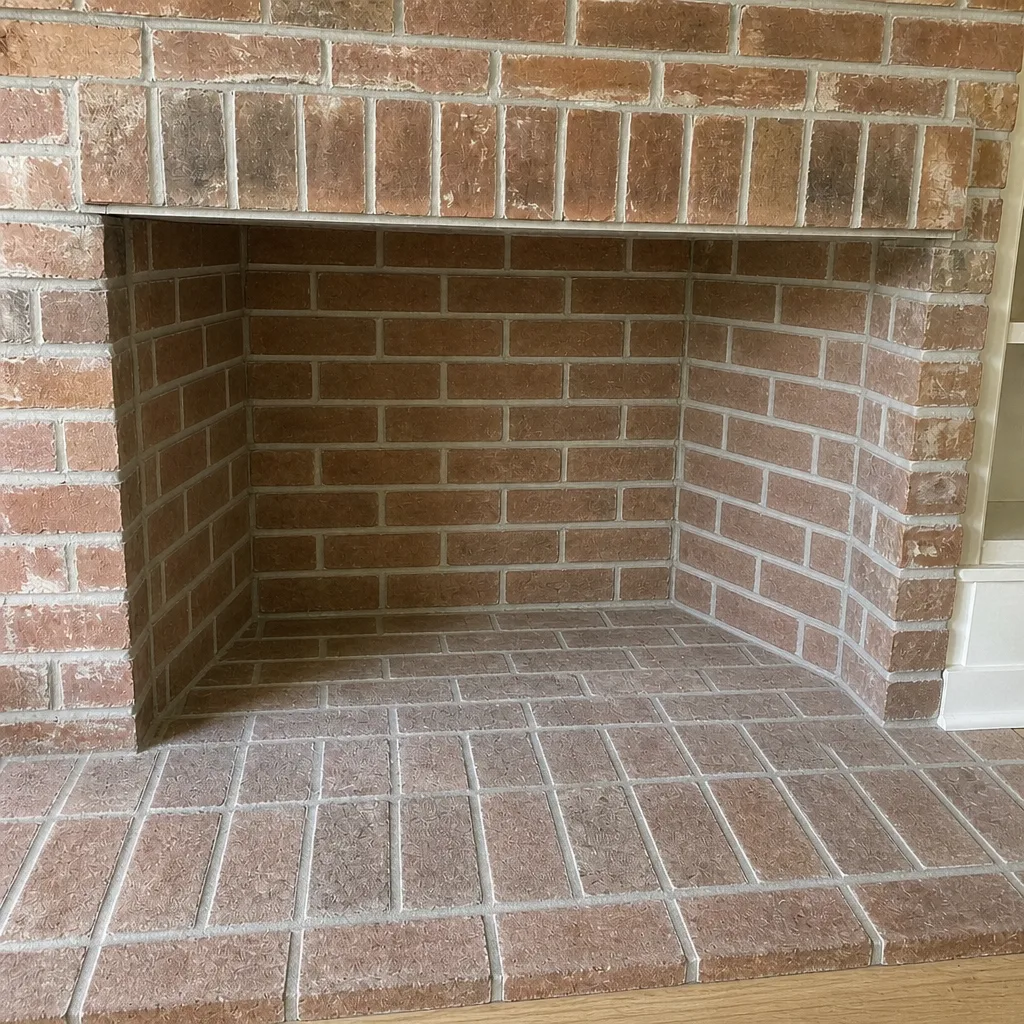
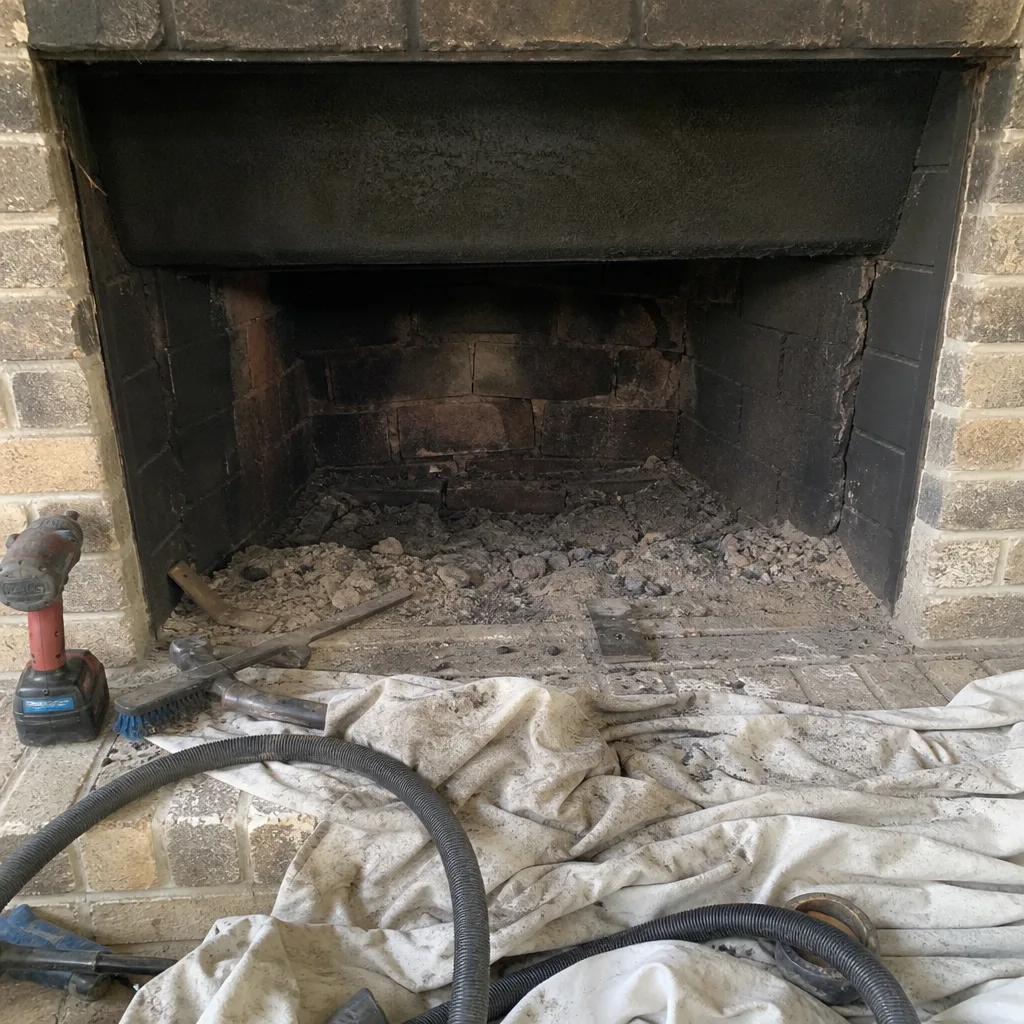
See the difference
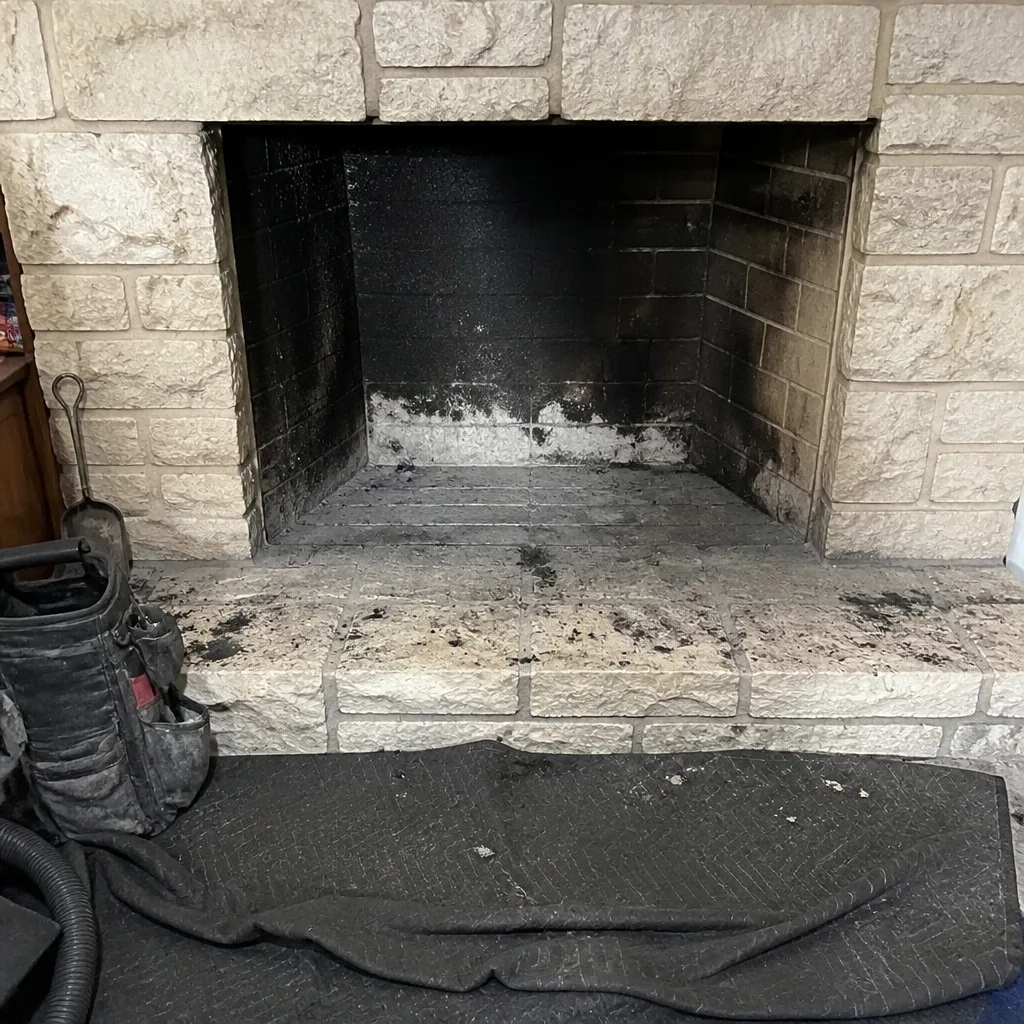 Before
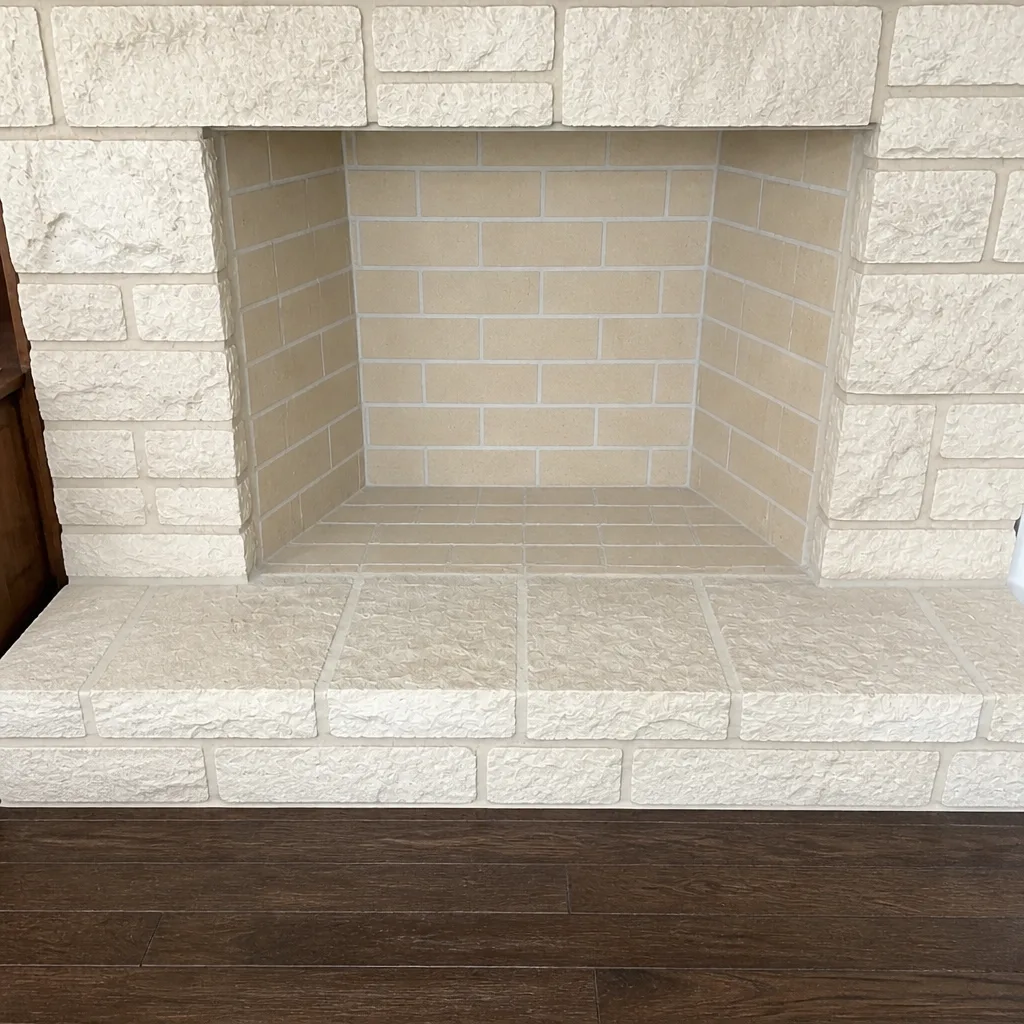 After
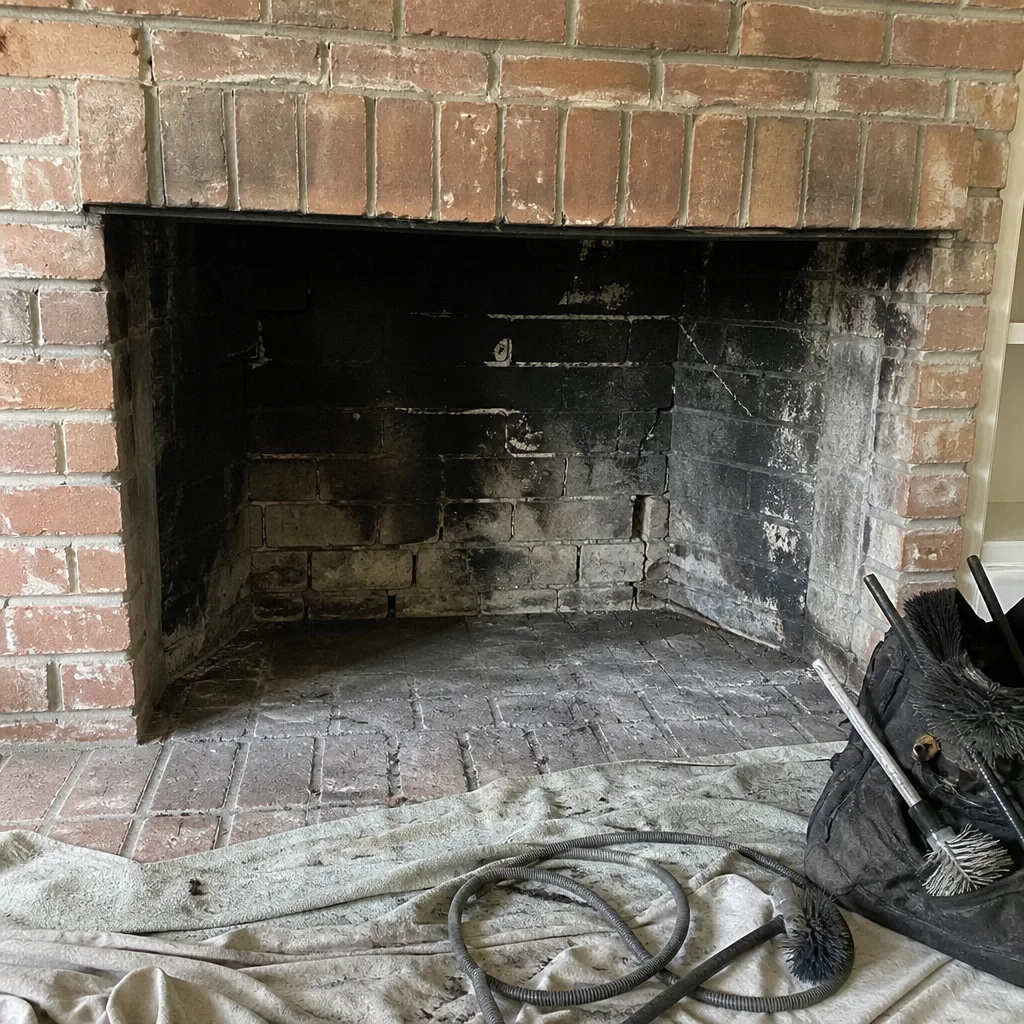 Before
 After
 Before
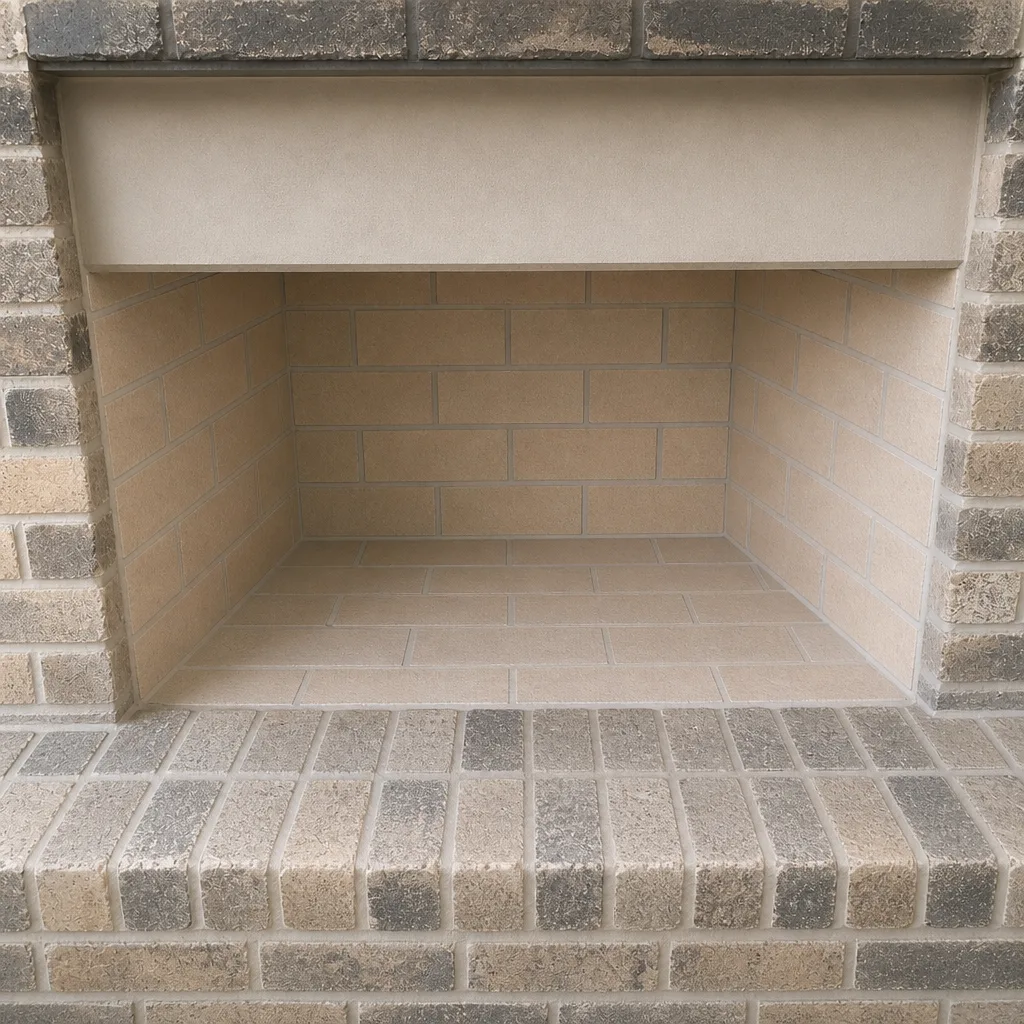 After
When to Call a Professional
Call a professional if you’ve moved into a Spring Branch home with an older fireplace and no recent inspection on record. Call if the last cleaning was more than a year ago and you burn wood regularly, or if you’ve noticed smoke rolling back into the room, a strong creosote smell on warm days, or staining on the chase exterior. Call if a previous owner had chimney work done and you can’t find the paperwork – that’s exactly the situation a Level 2 inspection exists for. And call before any repair, so it’s done with a permit if a permit is required and documented with images you can keep.
Chimney Sweep Spring Branch offers free estimates in Spring Branch – call (833) 482-6711. We answer 24/7. Fast dispatch from 7am to 7pm, Sunday through Friday. Our technicians have up to 14 years of experience, and we connect you with independent local professionals who work through the full chimney lifecycle: inspection, sweep, cap and crown, fireplace repair, and chimney repair. We diagnose before we recommend; nothing is proposed without camera evidence you can look at yourself. The estimate is free, and the written estimate sets the final price.
Frequently Asked Questions
No. A routine chimney cleaning in Spring Branch is maintenance and doesn’t require a permit from the City of Spring Branch or Kendall County. A permit becomes relevant only when the cleaning uncovers structural work – a liner replacement, firebox rebuild, or new chimney construction. If the scope changes from cleaning to repair, ask whether that repair requires a permit. Call (833) 482-6711 for an exact quote – estimates are free.
No. Texas has no state-level chimney sweep licensing program. That means there’s no state license number to verify, and accountability shifts to the homeowner. Ask for proof of insurance, any manufacturer authorizations the contractor holds, and references. The fact that a contractor carries specialty products like HeatShield or DuraFlex tells you they’ve been through a training pipeline beyond basic sweeping.
A Level 2 inspection adds a camera inspection of the flue interior to the visual checks, and it produces a written report with images. It matters because that report is the closest thing to an official record many homeowners will have of their chimney’s condition. It’s what you’d show an insurance adjuster, a buyer’s inspector, or a future contractor. Ask for the written report, not a verbal summary. Call (833) 482-6711 for an exact quote – estimates are free.
NFPA 211, the national standard for chimneys, fireplaces, vents and solid fuel-burning appliances. Texas has no state chimney code, so city inspectors, insurance adjusters and real estate inspectors all reference NFPA 211 when evaluating chimney installations and repairs. It covers clearances to combustibles, liner requirements, termination height and the inspection levels themselves.
Yes. If a chimney repair or liner replacement was done without a permit and a claim arises later, an adjuster may not be able to confirm the work met code, and that can become grounds for contesting the claim. The protection is straightforward: pull permits when required, keep the inspection records, and keep the material specifications. If you’ve inherited work of unknown provenance, get a Level 2 inspection now so the current condition is on record.
Once a year if you burn wood regularly, and before the first fire if you’ve just moved in and have no record of the last cleaning. The Hill Country pattern of concentrated fall and winter burning followed by long idle months means creosote accumulates in layers, so annual appointments catch it before it hardens. If you’ve skipped a season, have it inspected before you burn again. Call (833) 482-6711 for an exact quote – estimates are free.
The Bottom Line
The cleaning itself doesn’t need a permit. The repair it sometimes uncovers usually does, and the paperwork around that repair is the homeowner’s real protection. Texas doesn’t license chimney sweeps, so the standard everyone references is NFPA 211, and the record that matters most is a Level 2 inspection report with images. Keep the permit sign-offs, the written estimate, the material specs and proof of insurance. In Spring Branch, confirm which jurisdiction your property falls under before work begins, and get the crown and cap checked after the wet season rather than waiting for winter. The chimney gets more forgiving when the record is clear and the repairs are permitted. Whether you need a sweep, a cap, a repair or a full reline, Chimney Sweep Spring Branch connects you with independent local professionals who can handle the whole lifecycle. Call (833) 482-6711 for a free estimate.
Written by the team at Chimney Sweep Spring Branch.