
Last updated November 24, 2026
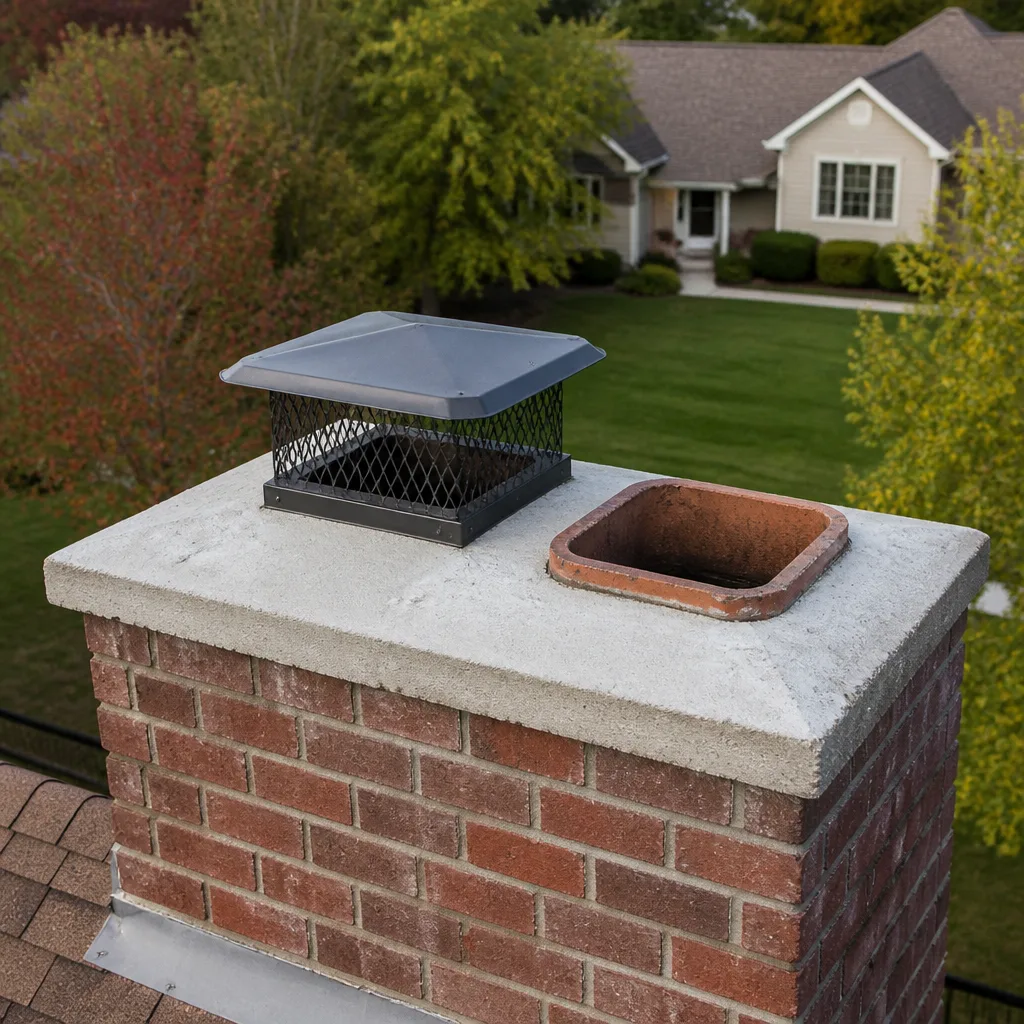 Sweep & inspection
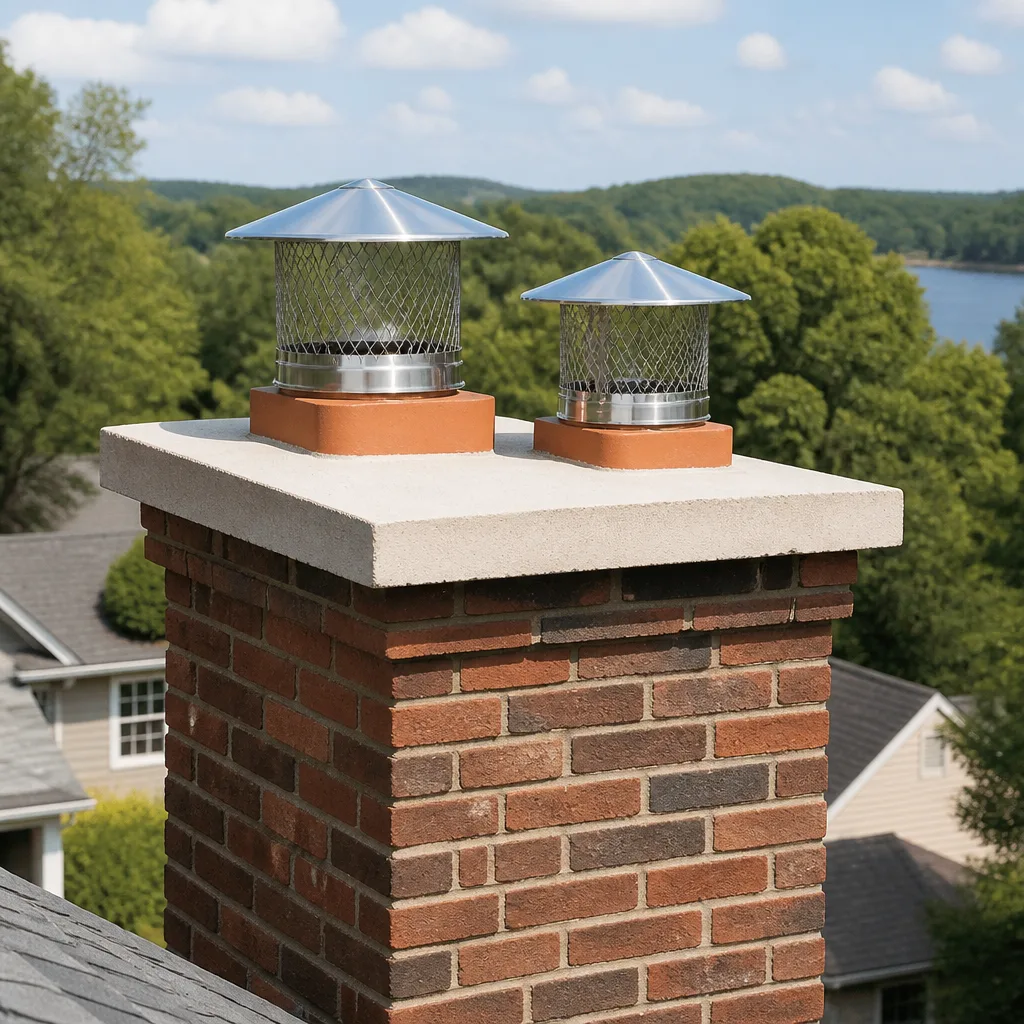 Caps & crowns
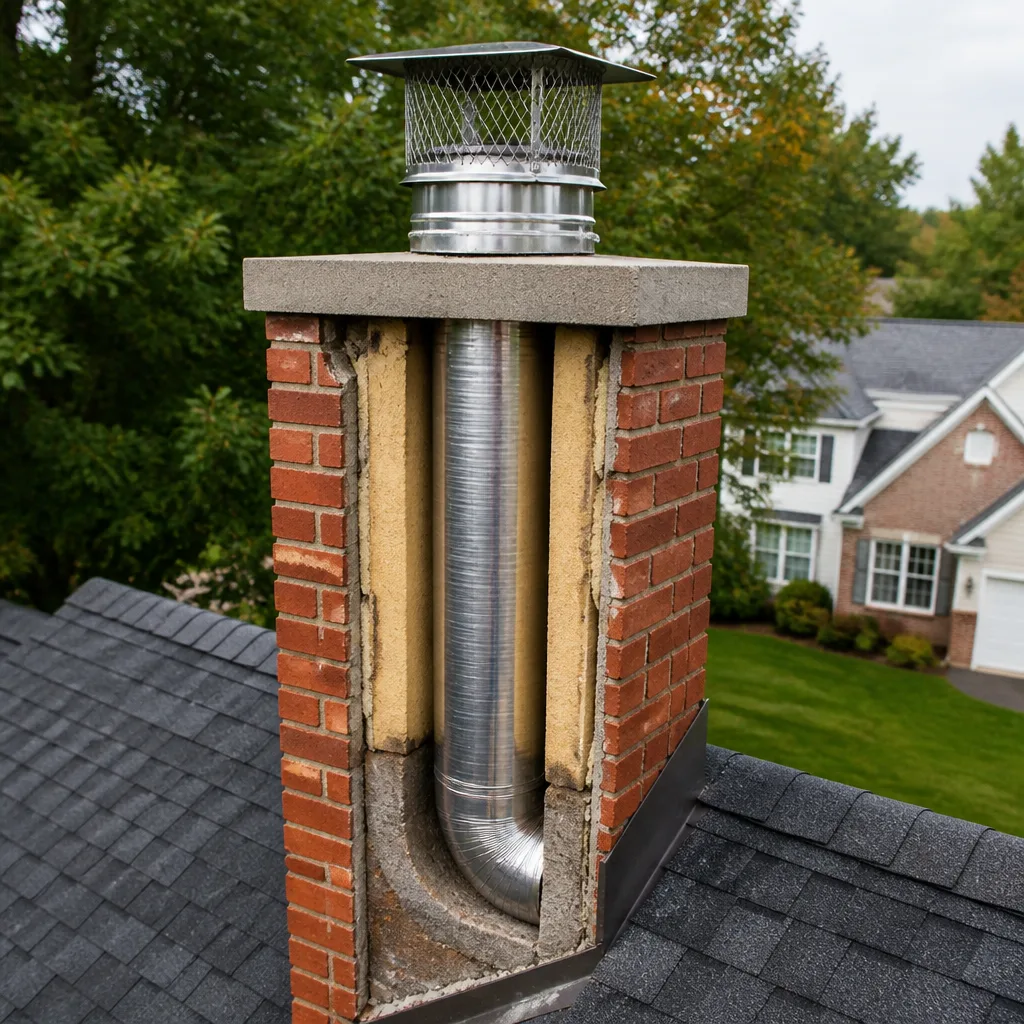 Flue relining
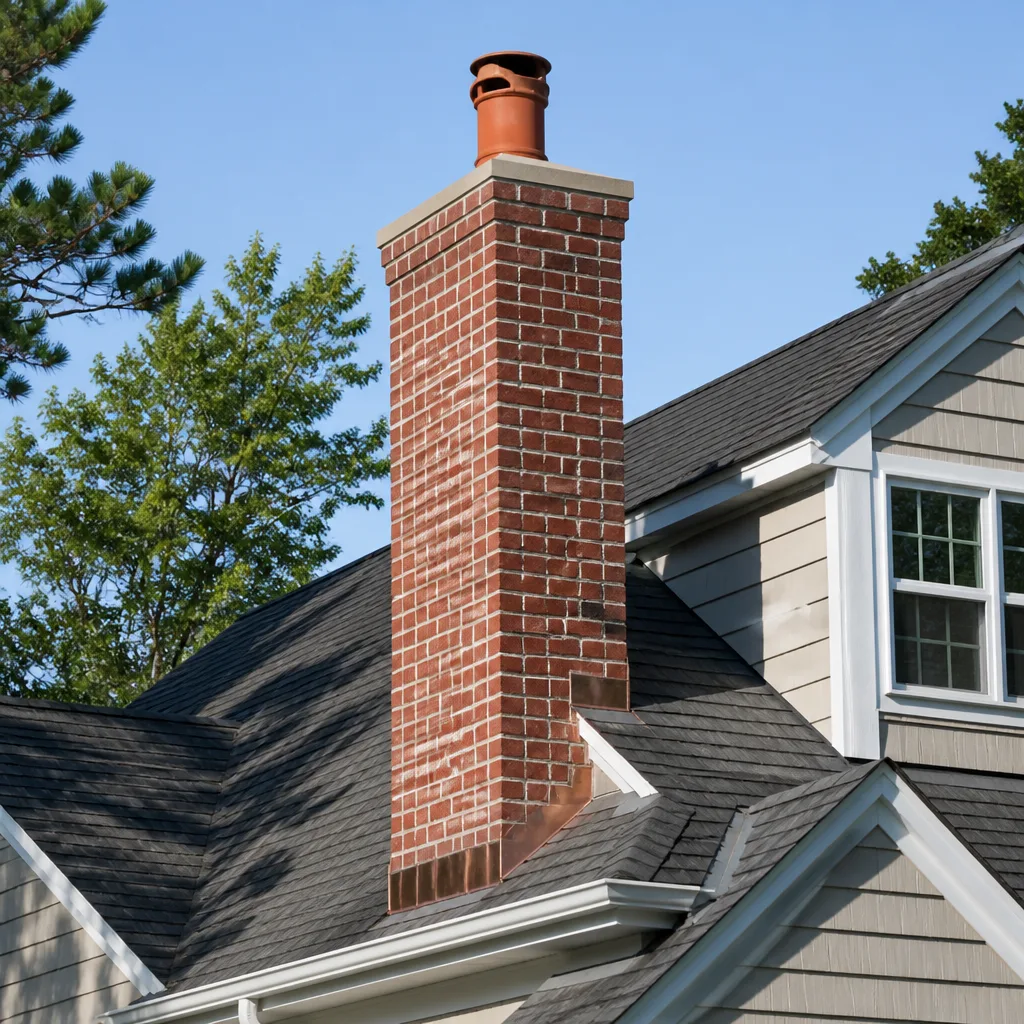 Masonry repair
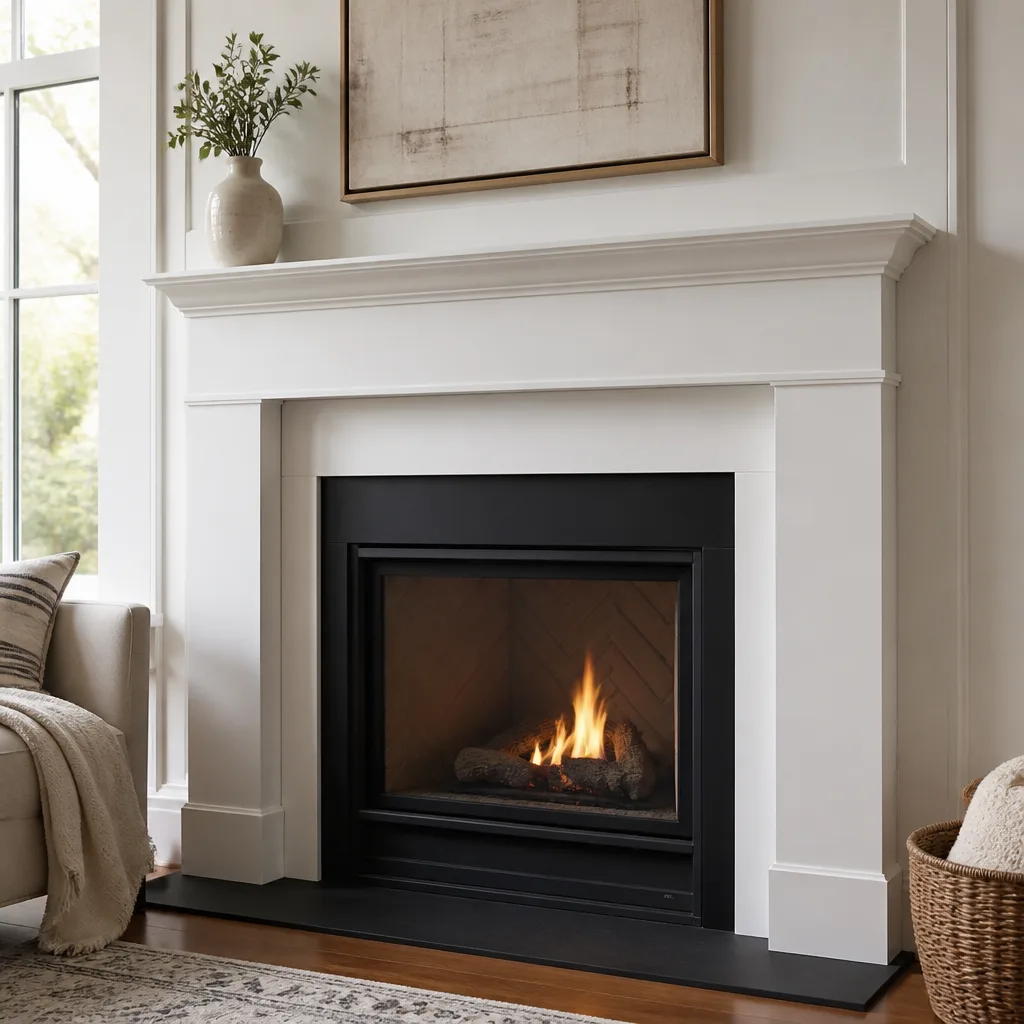 Gas fireplace service
Level 1 sweep and inspection to the NFPA 211 annual standard - flue, crown, cap, and flashing checked and photographed
Chimney sweep logs do not sweep chimneys. They loosen some creosote - which then falls where a brush and vacuum still have to collect it.
The Complete Guide to Chimney Cleaning in Spring Branch
Most people think a chimney is either clean or dirty. In practice, it’s a system, and the parts depend on each other. A sweep that skips the inspection can leave a cracked flue undiscovered. A repair done before the flue is cleaned can trap debris behind new work. Spring Branch has an unusual share of homes built from the 1970s through the 1990s with prefabricated fireplaces, and those chimneys fail on a different schedule than masonry ones. This guide explains how cleaning actually works in Spring Branch, why the order of inspection, sweep, and repair matters, and what “clean” means when a trained technician says it.
Quick Answer
Chimney cleaning in Spring Branch means more than brushing a flue. It’s a sequence: a Level 1 or Level 2 inspection first, then a sweep matched to your chimney type (prefab or masonry), then any repair the inspection actually found. Because Spring Branch winters are mild and humid, creosote builds more slowly than in cold climates but stays softer and stickier, and that changes how often a sweep is needed and how it’s done.
Styles & brands we work with
- Sweep & inspection
- Caps & crowns
- Flue relining
- Masonry repair
- Gas fireplace service
Table of Contents
- Why Chimney Cleaning Works Differently in Spring Branch
- Prefab vs. Masonry: Two Very Different Cleaning Jobs
- What “Clean” Actually Means: Professional Standards vs. a Visual Pass
- The Sequence Problem: Why Order Matters
- Why a Level 2 Inspection Belongs After Storm Season
- How a Professional Sweep Works, Step by Step
- How Often Should You Schedule a Cleaning in Spring Branch?
- What Does Chimney Cleaning Cost in Spring Branch?
Why Chimney Cleaning Works Differently in Spring Branch
Spring Branch sits in a warm, humid stretch of the Texas Hill Country, and that climate produces a creosote pattern most national chimney guides never mention. In cold climates, creosote builds fast and hard because fireplaces run constantly through long winters. Here, fires are occasional. You might burn a few evenings in December and January, then skip a year. That lighter use creates a different problem: soft, glazed creosote that accumulates slowly, hides in cooler upper flue sections, and doesn’t announce itself with the heavy flake-off cold-climate homeowners see.
Humidity adds a second factor. Between burn seasons, moisture in the air works on any creosote film left in the flue and on the mortar in a masonry chimney. Mild winters mean the chimney rarely dries out completely the way it would in a freezing climate. Over several seasons, that slow cycle leaves deposits that are harder to brush out than fresh soot.
Spring Branch’s housing stock makes this more relevant than it might sound. Many homes here were built between the 1970s and 1990s, and a large share of them have prefabricated fireplaces rather than full masonry chimneys. Builders in that era favored prefab because it was faster and cheaper, and those units are still in service across Spring Branch neighborhoods. They age on a predictable timeline, and by the time a homeowner notices a problem, the flue liner has often been quietly degrading for years.
What this means for cleaning:
- Creosote in Spring Branch tends to be softer at the firebox and stickier higher up, so a single pass with a brush often isn’t enough.
- Mild, humid off-seasons mean deposits sit longer between burns, so the gap between cleanings matters more than the number of fires you’ve had.
- Older prefab units need inspection built into every cleaning, because their failure mode is internal and invisible from the firebox.
The short version: a Spring Branch chimney is less about how much you burn and more about how long the residue sits. That changes the cleaning schedule and the cleaning method.
Prefab vs. Masonry: Two Very Different Cleaning Jobs
A prefabricated zero-clearance fireplace and a traditional masonry chimney look similar from the living room. Underneath, they’re completely different assemblies, and cleaning one like the other causes damage. A generalist handyman or a sweep trained only on masonry may not know the difference. In Spring Branch, with so many prefab units from the 1970s through the 1990s, this is one of the most common sources of trouble we hear about.
Masonry chimneys
A masonry chimney is built from brick or stone with a clay tile liner inside. It’s heavy, it draws on thermal mass, and it can take a firm brush. Cleaning involves:
- Removing the firebox contents and ash with a HEPA vacuum.
- Brushing the flue with a poly or wire brush sized to the liner.
- Inspecting the clay tiles for cracks, spalling, and gaps at the joints.
- Checking the crown, cap, and mortar joints for weather damage.
Because masonry can absorb and hold moisture, Spring Branch’s humid springs and mild winters mean the mortar is worth a close look at every visit. A hairline crack in a clay tile is easy to miss and hard to fix once it widens.
Prefabricated zero-clearance fireplaces
A prefab fireplace has a metal firebox and a factory-built metal flue, often with a stainless steel inner liner and an insulated outer wall. It was engineered as a system. Cleaning it with the wrong tools or the wrong brush can scratch the liner or dislodge a joint. The process differs:
- The flue is brushed with non-abrasive poly brushes sized to the specific liner diameter, not a universal masonry brush.
- Joints are checked for separation, since prefab flues are assembled in sections.
- The firebox itself is inspected for warping, cracked refractory panels, and damaged gaskets.
- The termination cap and spark arrestor are checked, since prefab caps are integral to the system.
When a prefab flue is damaged beyond cleaning, relining may be the answer rather than replacement. We install DuraFlex flexible liner systems, which are made for this kind of remediation in factory-built chimneys. For masonry flues with a damaged but structurally sound liner, HeatShield resurfacing can restore the interior without demolition. Both are specialist options most basic sweep companies don’t offer.
If you’re not sure which type you have, the answer is usually obvious once a technician looks. A masonry chimney is brick all the way up. A prefab has a metal firebox and a metal flue, and often a manufacturer’s data plate inside the firebox door. Knowing which one you own is the first step toward the right cleaning.
What “Clean” Actually Means: Professional Standards vs. a Visual Pass
A homeowner looking up the flue from the firebox can’t see what a trained technician sees. The visible firebox and lower flue can look fine while the upper flue is coated, the cap is missing, and a joint is separating. This gap between “looks clean” and “is clean” is where most chimney problems start.
Professional cleaning follows a standard. The Chimney Safety Institute of America (CSIA) sets the recognized baseline for what a swept chimney should look like, and it’s more specific than a visual glance. A properly cleaned chimney means:
- No visible soot or creosote on the firebox walls or damper.
- The flue interior brushed clean from the top of the firebox to the termination.
- All debris removed from the smoke shelf and firebox floor.
- Any creosote glaze addressed or documented, not just brushed over.
- An inspection report with photos showing the flue interior and any issues found.
A visual pass by a generalist often means wiping the firebox and glancing up the flue with a flashlight. That’s not cleaning. It’s tidying. The difference shows up months later when a cold evening brings smoke into the room or a chimney fire starts in a flue nobody checked.
What separates a professional sweep from a quick look is the camera. A chimney camera inspection lets the technician see the entire flue interior, including curves and offsets a flashlight can’t reach, and the photos go into the report. You see what we see. If the report says the flue is sound, you have evidence. If it says a section needs attention, you have the photo to prove it and the option to get a second opinion before any work is done. Nothing is recommended without camera evidence you can look at yourself.
We bring this standard to every Spring Branch cleaning. You’ll get the inspection report with photos and a flat-price sweep agreed before we book, so there’s no surprise on the invoice. If the report shows the flue is fine, that’s the answer and no repair is suggested.
The Sequence Problem: Why Order Matters
Most chimney problems trace back to a job done in the wrong order. Cleaning before inspection means debris gets cleared but a crack or a separated joint stays hidden. Repairing before cleaning means new mortar or liner material is applied over soot that prevents proper adhesion. And skipping the inspection after either one means nobody confirmed the fix worked.
The correct order is inspection first, clean second, repair third, with a re-check at the end. Here’s why each step depends on the one before it:
- Inspection first. A Level 1 inspection checks accessible portions of the chimney and firebox. A Level 2 adds a camera scan of the entire flue. Either way, the technician needs to see the chimney in its current state before anything is disturbed.
- Cleaning second. Once the inspection has a baseline, the sweep removes soot and creosote. The technician now knows which areas need extra attention and which tools to use, whether that’s a poly brush for a prefab flue or a firmer brush for a masonry liner.
- Repair third. Any damage documented in the inspection gets addressed on a clean surface. A HeatShield application or a DuraFlex liner install needs a clean flue to set properly. Applying either over creosote is wasted money.
- Re-check last. After repairs, a follow-up inspection confirms the fix is sound and the flue is ready for use.
In our experience, the jobs where a homeowner felt overcharged are almost always jobs where the repairs were done first and the cleaning was an afterthought. The repair had to be redone, or the cleaning dislodged debris into new work. Doing it in the right order saves money on the back end.
If you’re booking a sweep in Spring Branch, ask whether the inspection is part of the visit or a separate charge. At Chimney Sweep Spring Branch, the inspection drives the work, not a checklist, and it’s available as a standalone service if you just want a diagnosis before your first fire. A chimney sweep without an inspection is a partial job.
Why a Level 2 Inspection Belongs After Storm Season
Most homeowners think about their chimney in the fall, right before the first fire. In Spring Branch, the better time to inspect is right after storm season. Texas spring and early summer storms bring wind, hail, and driving rain, and all three can damage a chimney in ways that don’t show up until you light a fire.
A Level 2 inspection is a camera scan of the entire flue, plus a check of the accessible parts of the chimney exterior and any attic or crawlspace penetration. It’s the standard for:
- A chimney that has been through a significant weather event.
- A chimney that has changed ownership since the last inspection.
- A chimney with a known or suspected liner problem.
- Any change to the appliance or fuel type.
After a storm, the most common findings are:
- Displaced or cracked chimney caps. A cap knocked loose lets rain straight down the flue and into a prefab’s metal liner, where corrosion starts fast in humid weather.
- Separation at flue joints in a prefab system. Wind-driven movement can open a seam between sections, which a Level 1 visual check from the firebox won’t catch.
- Hairline cracks in clay tile liners. Freezing isn’t the issue in Spring Branch, but thermal swings and moisture are, and a hairline crack in a clay tile can widen through repeated wet-dry cycles.
- Damaged crown or flashing. A cracked crown lets water work down into a masonry chimney’s structure, and a lifted flashing detail lets it into the roof.
Booking a Level 2 inspection in Spring Branch after storm season, then scheduling the cleaning based on what it finds, moves your fireplace maintenance into the cooler months without a scramble before the first fire. If a cap is missing, replacing it with a properly fitted Famco or Copperfield unit protects the whole flue before the next wet season starts. That’s why we treat chimney cap & crown work as a dedicated service line rather than an add-on. The cap is the first defense, and it’s cheaper to replace a cap than to reline a flue that filled with water.
How a Professional Sweep Works, Step by Step
Knowing what a professional sweep actually does helps you judge whether the job you’re quoted is the job you need. Here’s what a correctly run cleaning looks like when a technician arrives at a Spring Branch home.
- Protect the room. Drop cloths go down around the hearth. A HEPA vacuum runs throughout the visit, so soot stays in the machine, not on your furniture.
- Inspect before touching the flue. Firebox, damper, smoke chamber, flue, cap, and crown get checked. A camera confirms the interior. Any issue gets photographed.
- Agree on the sweep. A flat price for the sweep is confirmed before work starts. If the inspection found damage that needs repair, that becomes a written estimate, not a surprise line item.
- Brush the correct flue. Poly brush for a prefab flue, sized to the liner. Firmer brush for masonry, with extra passes on any glazed creosote. A drop cloth seals the firebox to contain dust.
- Remove and dispose of debris. Nothing goes down the flue or into the room. All soot and creosote come out with the vacuum.
- Check the cap, crown, and flashing. These are the parts that keep weather out and the parts most likely to have failed since last season.
- Walk through the findings. You get the report, the photos, and a plain-language summary. If something can safely wait, we say so. If the flue is sound, that’s the answer.
We use Gelco and Olympia Chimney accessories for the parts of a sweep that touch the flue and the cap area, so the components we install are professional-grade rather than hardware-store substitutes. The right equipment matters more in Spring Branch than in colder climates, because soft, sticky creosote needs the right brush and the right vacuum rather than extra force.
For a fireplace that’s showing signs of wear, a cleaning is also the right moment to talk about fireplace repair. A cracked refractory panel, a worn damper, or a warped firebox door on a prefab unit all show up during the sweep, and fixing them while the room is already protected is more efficient than a second visit.
How Often Should You Schedule a Cleaning in Spring Branch?
Most Spring Branch homeowners do well on a cleaning every one to two years, depending on how often they burn. The national rule of thumb is an inspection every year and a cleaning when the creosote layer reaches about a quarter inch, but the climate here changes what that cadence looks like in practice.
Because fires in this area tend to be occasional rather than constant, creosote often builds slowly and stays soft. That’s why an annual Level 1 inspection is worth keeping as a baseline even when the cleaning itself can wait. The inspection tells you what’s actually in the flue, so you’re not guessing from a visual check.
Adjust upward if any of these apply:
- You burn most evenings for a stretch of the winter. Light, frequent fires still add up.
- Your wood is unseasoned or damp. Wet wood produces more creosote and more smoke, and a mild winter doesn’t dry it out.
- Your fireplace is a prefab unit from the 1970s – 1990s with an older liner. These age faster than masonry and warrant a Level 2 inspection every year or two.
- You’re a new homeowner. You have no record of the last cleaning or inspection, so the first visit should be a Level 2 to establish a baseline.
- Your chimney was exposed to a significant storm. Storm-season inspection is worth a separate visit.
A chimney that passes inspection and shows a light creosote layer can often wait a season. A chimney with glazed creosote, a damaged liner, or a missing cap should not. A technician following the sequence above will tell you which category you’re in and show you the photo to back it up.
What Does Chimney Cleaning Cost in Spring Branch?
A typical chimney sweep in Spring Branch runs in the low-to-mid two hundreds, and a Level 1 inspection is usually bundled into a sweep. Level 2 camera inspections and repairs are quoted separately. Every visit starts with a free estimate, and the written estimate you receive is the final price for the job, so the range below is a guide to what a properly scoped visit usually involves:
- Chimney sweep: quoted per job, agreed before booking.
- Level 1 inspection: often included with a sweep.
- Level 2 camera inspection: quoted separately, with photos included.
- Chimney cap and crown: quoted per job, using Famco or Copperfield components.
- Liner resurfacing (HeatShield): quoted per job, based on flue size and condition.
- Liner replacement (DuraFlex system): quoted per job, based on flue length and configuration.
- Fireplace repair: quoted per job, based on the part and the access.
Nobody can price a liner or a repair without seeing the flue. That’s why the inspection comes first, and why the estimate is written before any work starts. A sweep company quoting a liner replacement over the phone, before seeing the chimney, is guessing. The final price is set by the written estimate after the inspection, never the other way around.
Common Mistakes to Avoid
- Cleaning without inspecting. A sweep with no inspection clears the flue but misses cracks, separated joints, and a failing cap. The cleaning is fine; the chimney’s still unsafe.
- Repairing before cleaning. HeatShield and DuraFlex materials need a clean surface to bond. Applying them over creosote means the repair has to be redone, and you pay twice.
- Treating a prefab fireplace like a masonry chimney. Stiff brushes and overly aggressive sweeping can scratch a prefab’s metal liner. This is common in Spring Branch, where so many homes have prefab units that were never properly serviced.
- Skipping the inspection after storm season. A cap that looks fine from the ground can be cracked, and a prefab flue joint can separate after wind. A camera catches both; a visual check from the driveway does not.
- Burning unseasoned wood to save money. Damp wood produces more creosote and more smoke, and the mild off-season in Spring Branch doesn’t dry it out quickly. Seasoned wood costs more and burns cleaner.
- Ignoring the cap. A missing or damaged cap lets rain straight into the flue, and in this humid climate that means corrosion and mold start fast. Replacing a cap is far cheaper than relining a water-damaged flue.
- Hiring a sweep who quotes a liner before inspecting. If a company prices a liner without a camera scan, you have no evidence of the problem. A photo of the actual flue before and after any repair is the only proof you should accept.
A clean flue is a safe flue, but only if the inspection that follows actually checks the whole system. A careful sweep is a start, and a verified inspection is the finish.
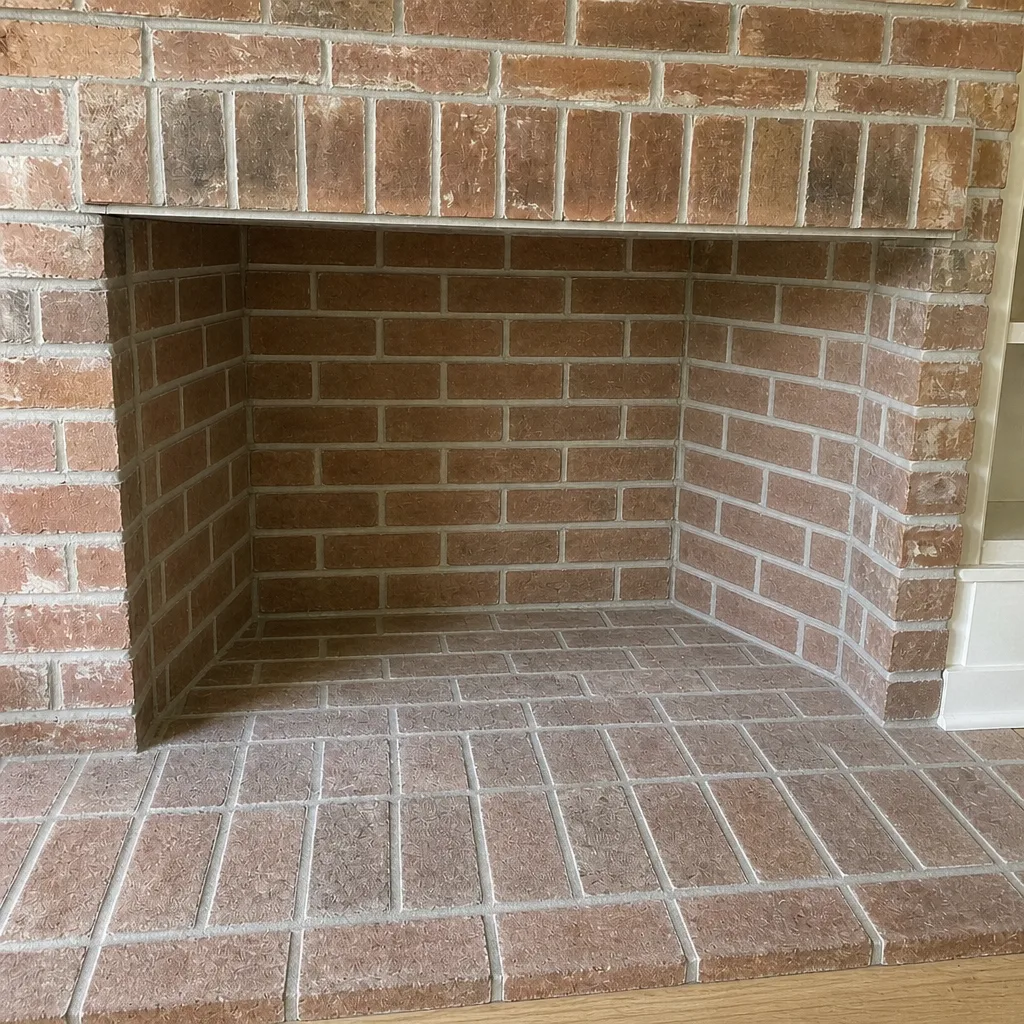
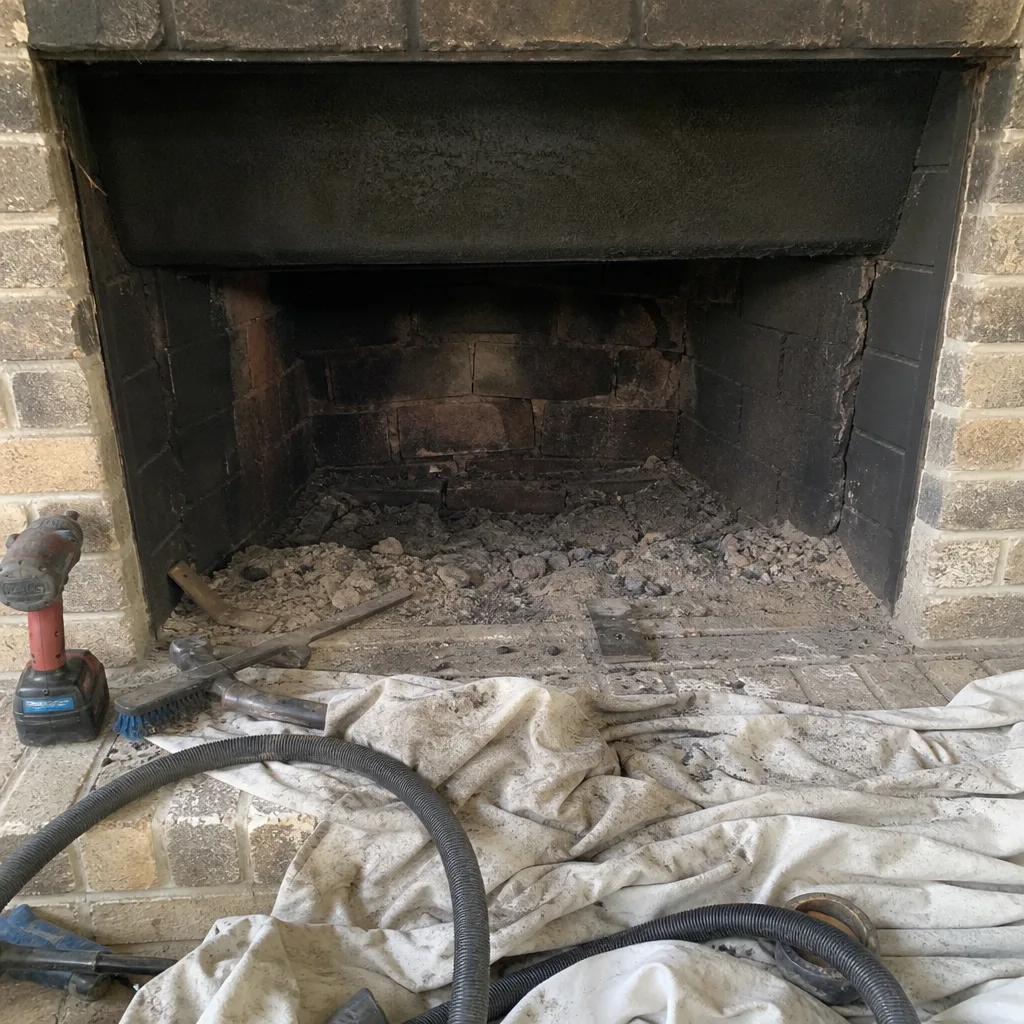
See the difference
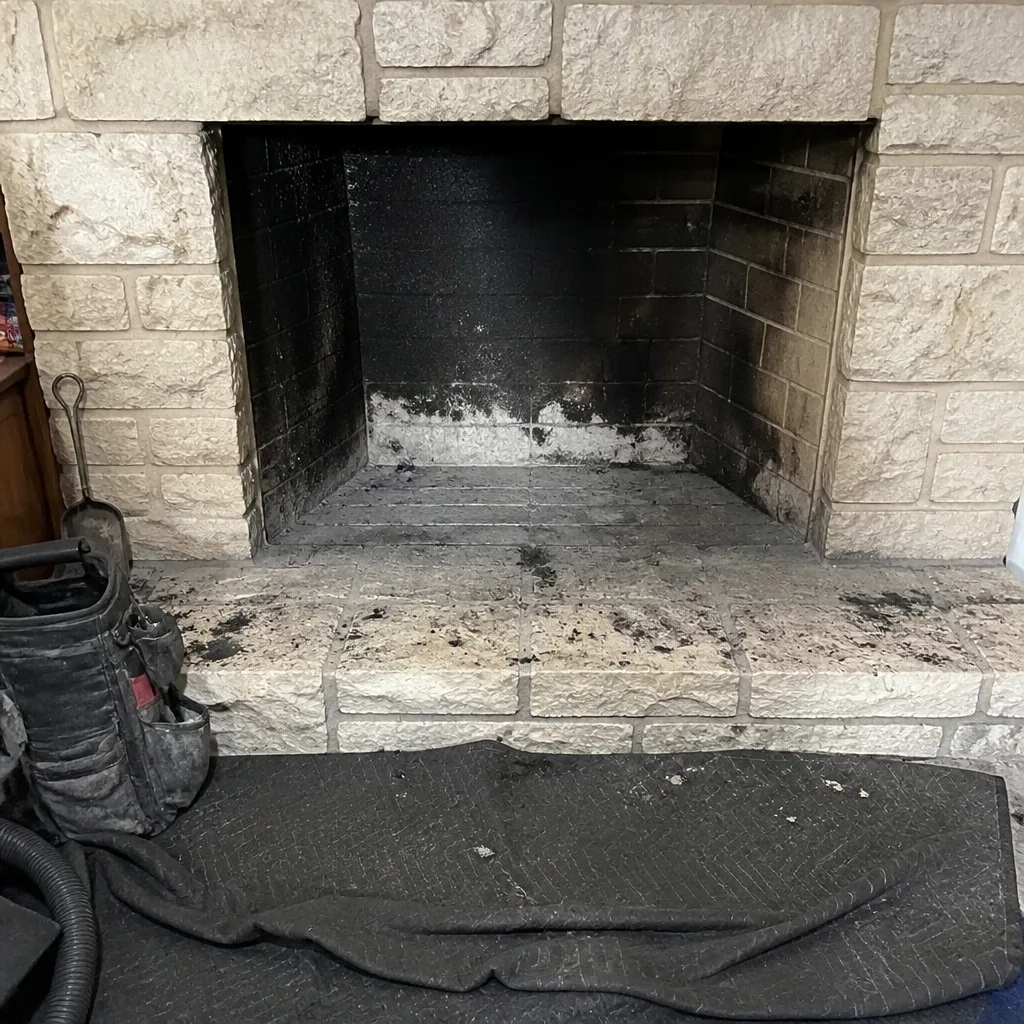 Before
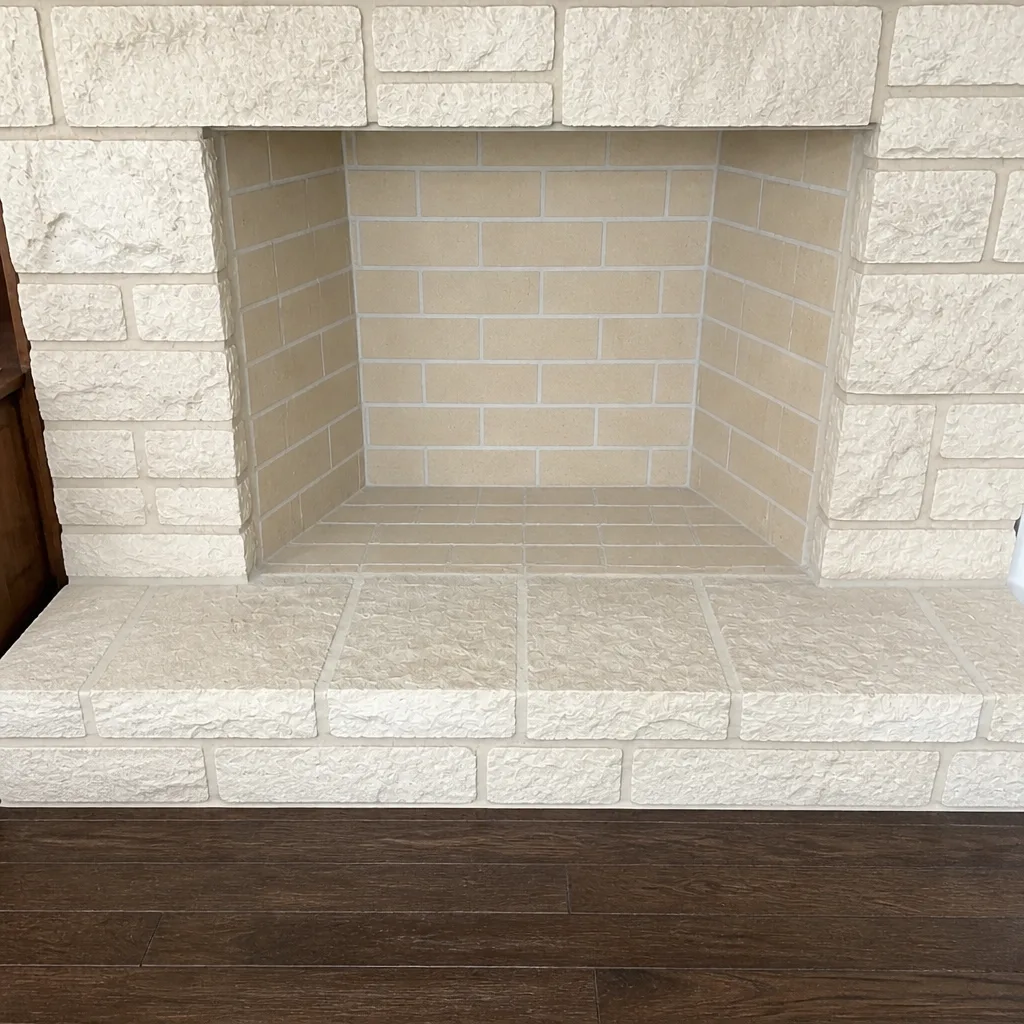 After
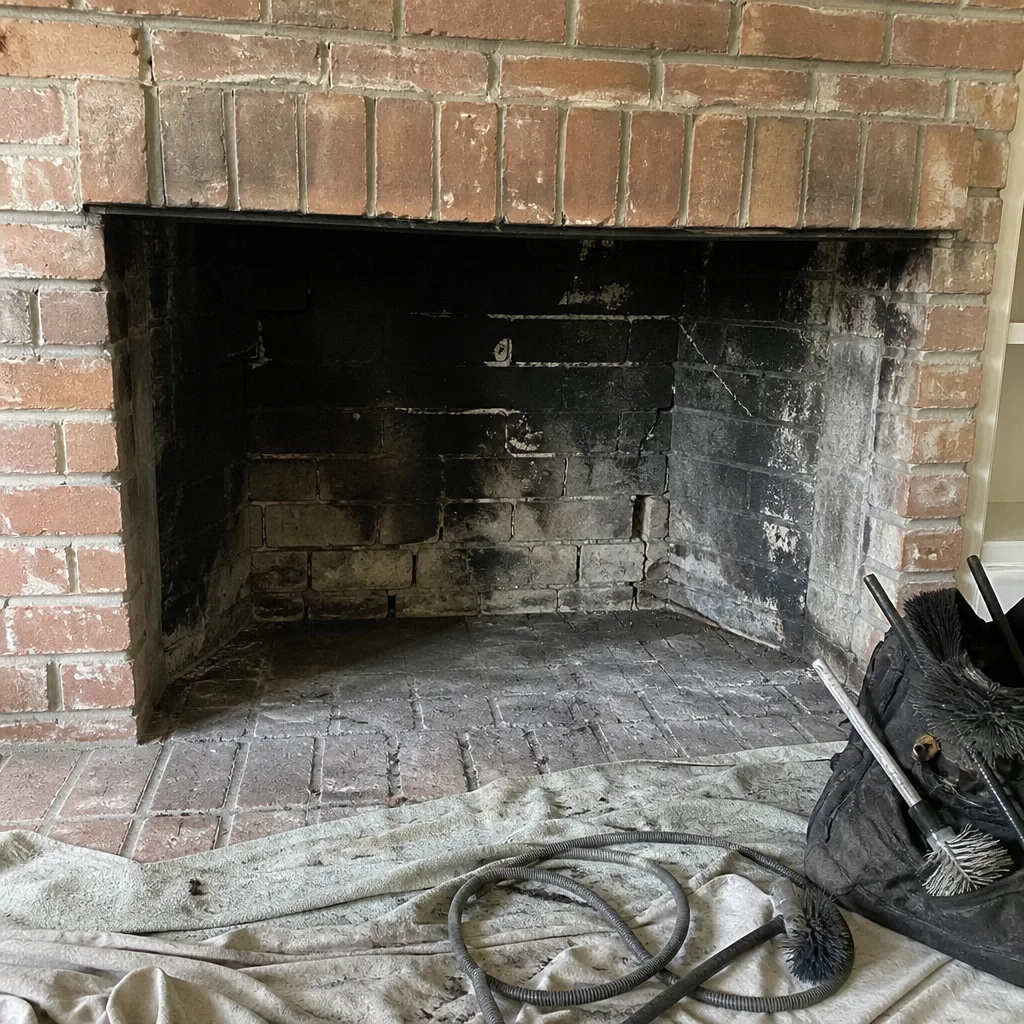 Before
 After
 Before
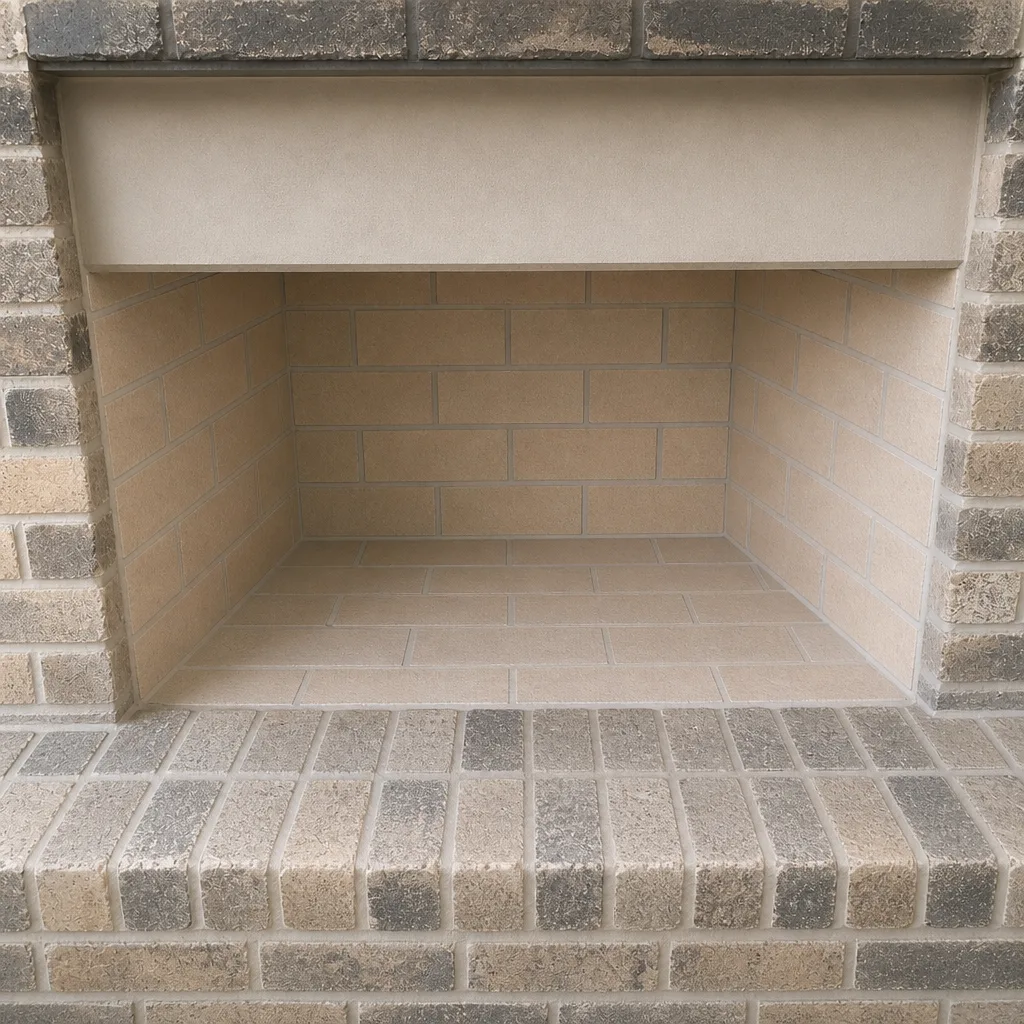 After
When to Call a Professional
Some chimney work belongs to a trained technician. Call for a professional visit if you smell smoke in the house when the fireplace is running, if the firebox or flue shows any sign of damage, if the cap is missing or cracked, or if you’ve moved into a Spring Branch home and have no record of the last cleaning. The same applies if a chimney fire has ever occurred. A trained technician should check high-firebox work, liner inspections, and anything involving the damper or flue joints. Chimney Sweep Spring Branch offers free estimates in Spring Branch. Call (833) 482-6711. We answer 24/7. Fast dispatch, 7am-7pm, Sunday through Friday.
You can also book a fireplace repair or a full inspection directly through the site. Browse the Chimney Sweep Spring Branch overview to see what’s covered.
Frequently Asked Questions
Most sweeps in Spring Branch fall in the low-to-mid two hundreds, with an inspection often bundled into the sweep. Level 2 camera inspections and any repairs are quoted separately, and every visit starts with a free estimate. Call (833) 482-6711 for an exact quote. Estimates are free.
Only if the camera inspection shows the existing liner is cracked, separated, or otherwise failing. A sound liner can usually be resurfaced with HeatShield rather than replaced, and a properly lined flue doesn’t always need full replacement through DuraFlex. You should be shown the photograph before any liner work is recommended.
Every one to two years depending on how often you burn, with an annual inspection in between. Because Spring Branch winters are mild, creosote builds slowly but stays soft and sticky, so the volume of fires matters less than how long the residue has sat in the flue. A camera check after storm season keeps the schedule honest.
Creosote keeps building in the flue, and in a mild, humid climate it stays soft enough to hide inside the flue instead of flaking off. Left long enough, that layer is fuel for a chimney fire, and a blocked or cracked flue can let carbon monoxide back into the room. Skipping the cleaning also means the inspection doesn’t happen, so a crack or a missing cap goes unnoticed.
A prefab fireplace has a factory-built metal flue that can be scratched or damaged by a stiff masonry brush and needs poly tools sized to its liner. A masonry chimney has clay tiles that take a firmer brush and are checked for cracks at the joints. Spring Branch has a lot of prefab units from the 1970s through the 1990s, and treating one like masonry is a common mistake.
Yes, if your chimney went through a significant storm event. A Level 2 is a camera scan of the entire flue, and it’s how storm damage to a prefab flue joint, a cap, or a clay liner gets found. A Level 1 visual check won’t catch damage hidden in the upper flue.
The Bottom Line
Chimney cleaning in Spring Branch is a system, not a single event: inspect first, clean second, repair third, and re-check at the end. The order saves money on the back end because repairs done on a clean flue last, and a sweep done before the inspection misses the point. Prefab fireplaces need a different cleanup than masonry chimneys, and the humid, mild winters here change how fast creosote builds. Inspection first, camera photos in hand, and nothing recommended without evidence you can see. That’s the standard every Spring Branch homeowner should expect. For a free estimate, call (833) 482-6711. We answer 24/7. Fast dispatch, 7am-7pm, Sunday through Friday.
Written by the team at Chimney Sweep Spring Branch.