
Last updated November 24, 2026
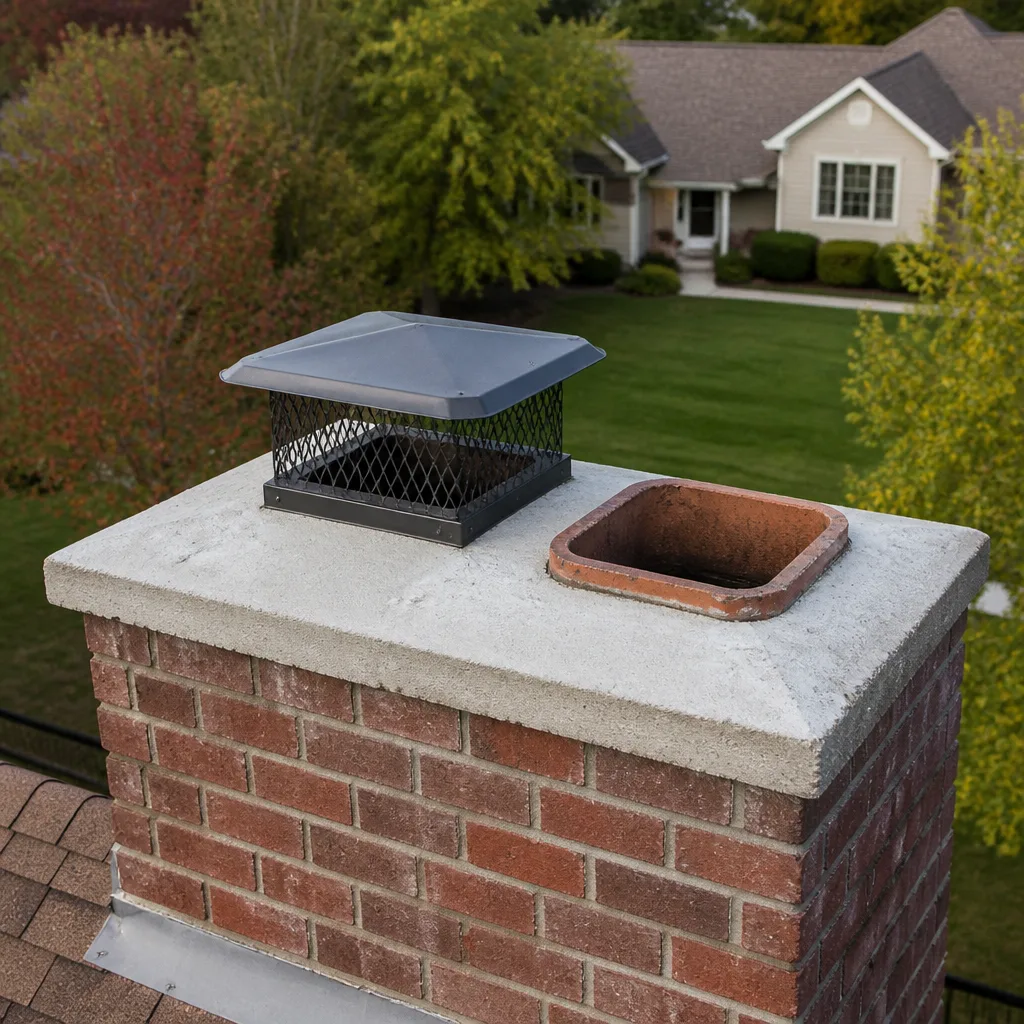 Sweep & inspection
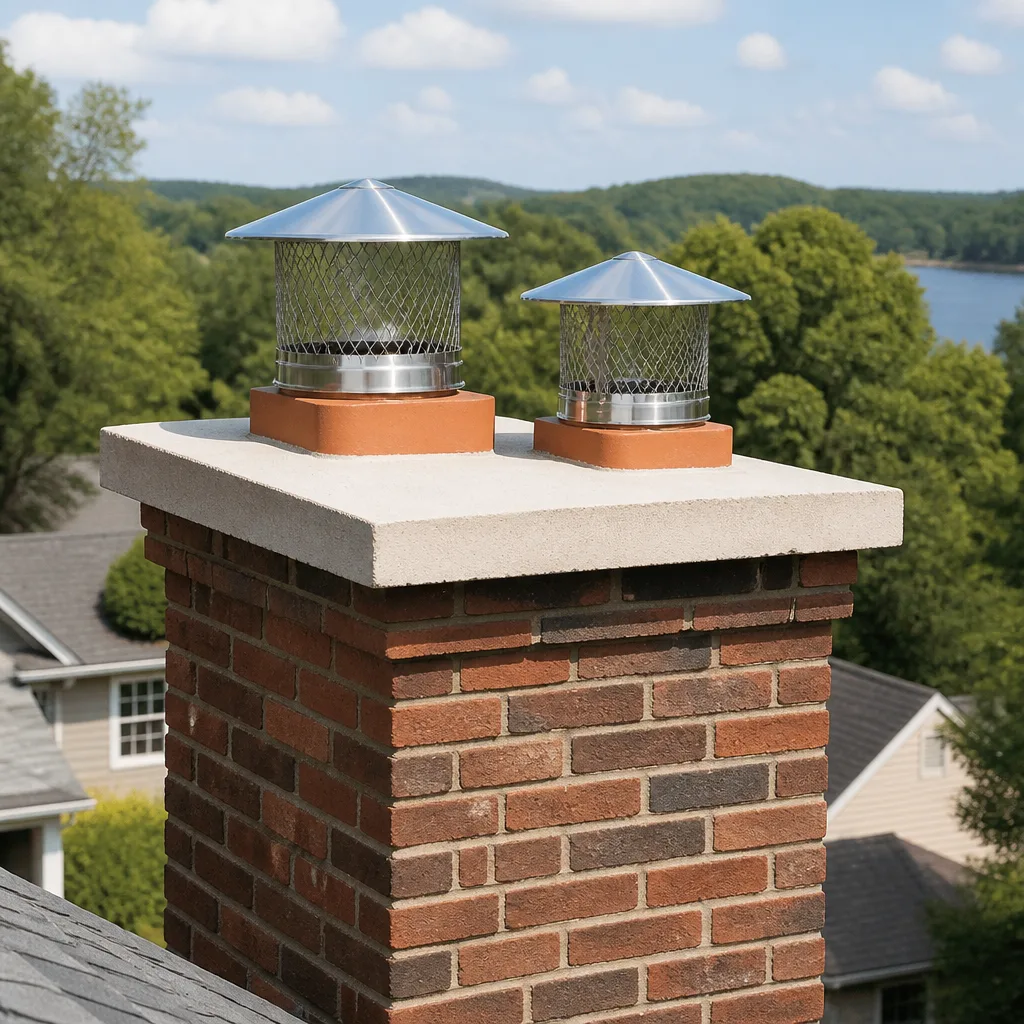 Caps & crowns
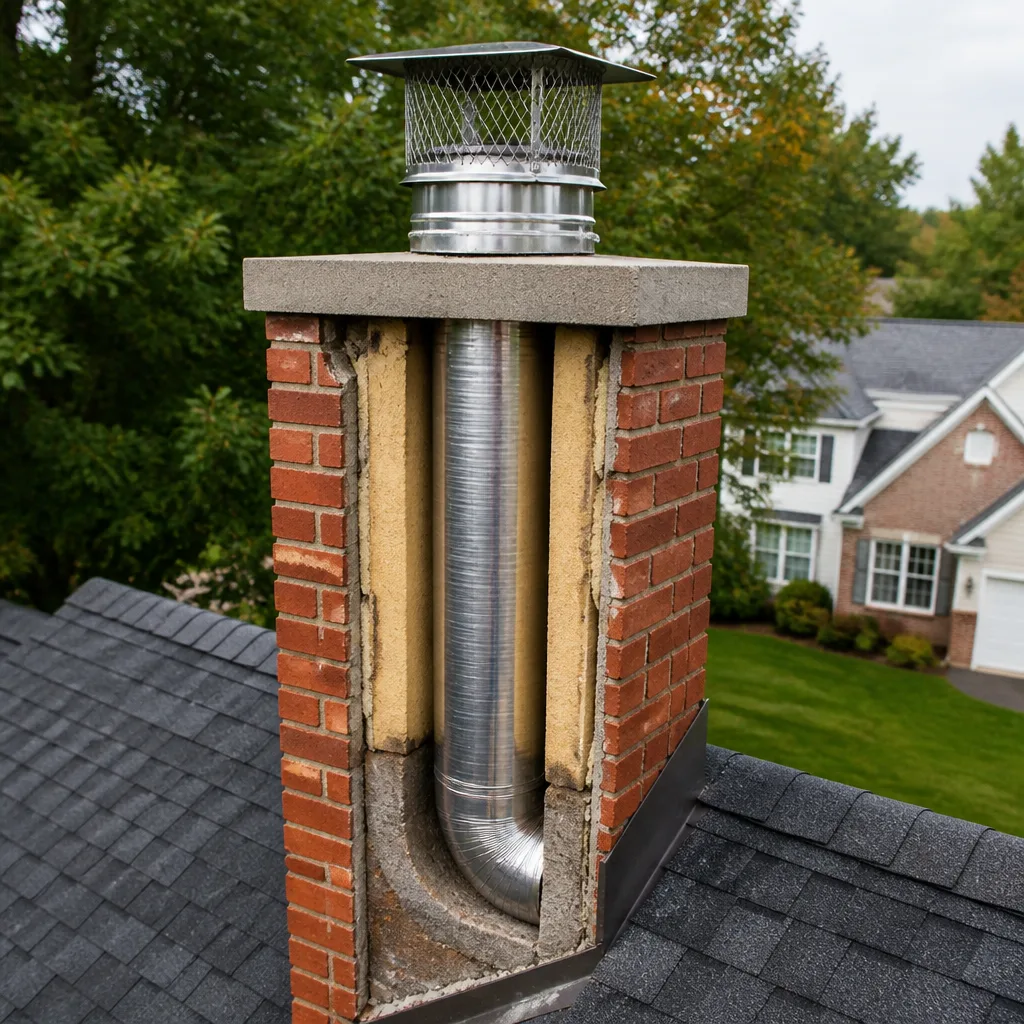 Flue relining
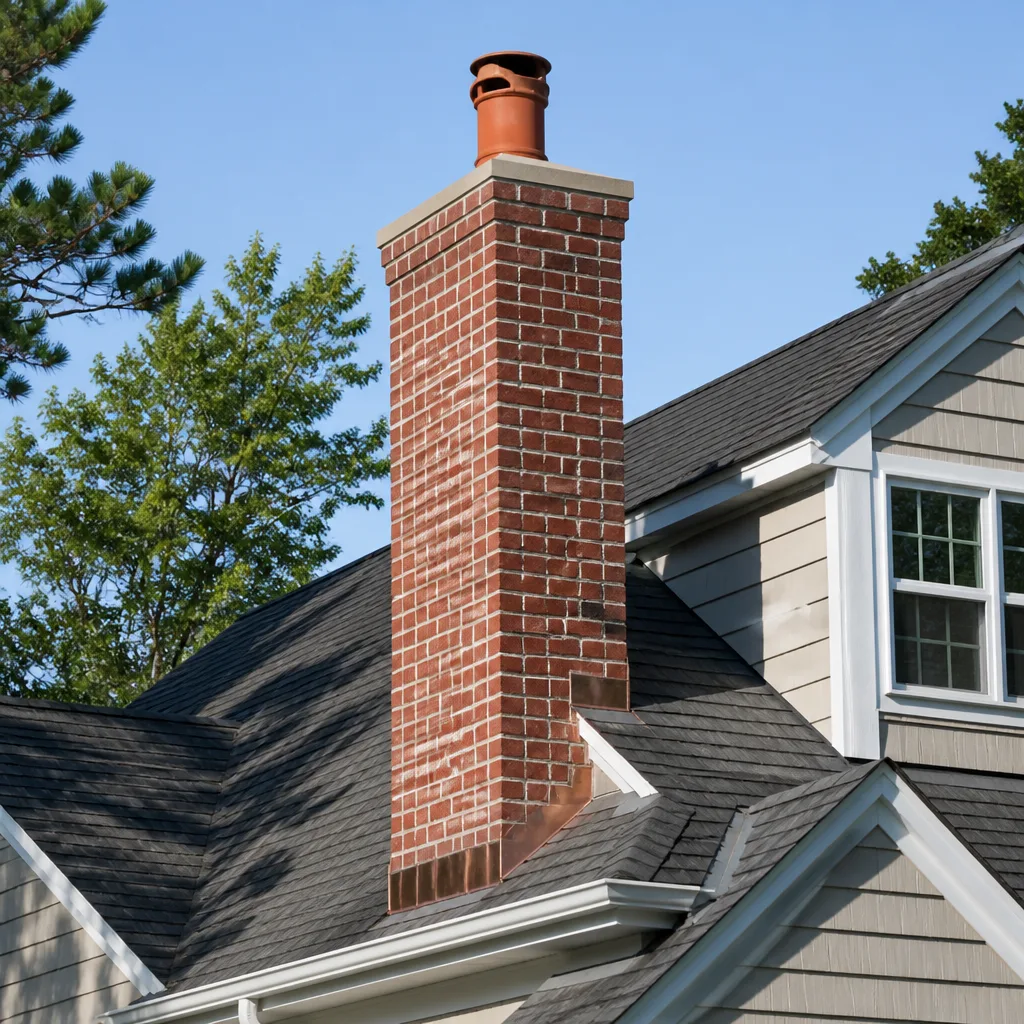 Masonry repair
 Gas fireplace service
Level 1 sweep and inspection to the NFPA 211 annual standard - flue, crown, cap, and flashing checked and photographed
Chimney sweep logs do not sweep chimneys. They loosen some creosote - which then falls where a brush and vacuum still have to collect it.
Seasonal Chimney Cleaning Care for Spring Branch: Year-Round Homeowner’s Guide
The standard advice to get your chimney cleaned before winter was written for Chicago, not Spring Branch. Around here, the highest-priority cleaning window falls in spring, when winter moisture has finished working on the masonry and the coming heat is about to bake last season’s creosote into a hard, sour-smelling glaze. Texas weather runs the chimney calendar on its own schedule. Heat, Gulf moisture, high-wind storm season, and a short firing season that might see twenty to thirty fires all pull maintenance in different directions than the national advice assumes. This guide rebuilds the year around what actually happens to a chimney in Spring Branch, season by season, so you know what to check and when to book.
Quick Answer
In Spring Branch, the best time for a chimney sweep is spring (March through May), right after the firing season ends and before summer heat sets odors and glazed creosote in place. A professional inspection should follow every storm season and again before your first fall fire, and your cap and crown need a visual check at every season change because they take the brunt of Central Texas sun, rain, and wind. One sweep and one inspection per year covers most homes here; heavy fireplace users may want a mid-season look.
Styles & brands we work with
- Sweep & inspection
- Caps & crowns
- Flue relining
- Masonry repair
- Gas fireplace service
Table of Contents
- Why the National Chimney Calendar Doesn’t Fit Spring Branch
- Spring (March to May): The Highest-Priority Cleaning Window
- Summer (June to August): Heat, Mortar, and What to Check Without Touching
- Storm Season (June to October): Post-Storm Checks for Spring Branch
- Winter (November to February): Firing-Season Prep for a Short Season
- Cap and Crown Care: The Cheapest Repair You’ll Ever Make
- Your Year-Round Chimney Schedule at a Glance
- Common Mistakes to Avoid
Why the National Chimney Calendar Doesn’t Fit Spring Branch
Most chimney-care content online is written for a climate with a long, cold winter and a short, mild summer. Spring Branch gets the reverse. The firing season is short and mild, which means fewer fires and less soot than a northern homeowner would produce. But the off-season is long, hot, and humid, and that is where damage actually accumulates. Creosote that sits through a Central Texas summer can glaze and harden in ways a cold-climate homeowner never sees, and masonry that stays warm and damp for months gives moisture time to work into cracks and joints.
The national calendar also assumes a hard freeze that drives frost heave and ice damage. Spring Branch winters are mild, so those problems are rare. What we deal with instead is sun, driving rain, and the wind that comes with Gulf-fed storms. Each of those attacks a different part of the chimney system:
- Heat bakes creosote deposits, accelerates mortar drying and cracking, and bakes odors out of a dirty flue into the house.
- Humidity and rain soak into masonry and crowns, then dry slowly, which is the cycle that opens cracks wider over time.
- Wind during storm season tests caps, spark arrestors, and any loose mortar at the top of the stack.
- The short firing season means fewer chances to notice a problem, so each inspection matters more.
Rebuilding the calendar around those forces is what a year-round care plan for Spring Branch actually looks like. It’s not more work than the northern schedule. It’s the same amount of work, timed to when it prevents damage instead of after it happens.
Spring (March to May): The Highest-Priority Cleaning Window
Spring is when we want to get eyes and brushes into your flue. Two things happen at once: winter moisture has had months to sit in the masonry and creosote, and the coming summer heat is about to trap that creosote and any musty odor in the chimney system. A spring chimney sweep clears the creosote before the heat sets it, and an inspection at the same time catches moisture damage while it’s still small.
The case for timing the annual sweep in spring rather than fall comes down to a few practical facts:
- Odors are a summer problem, not a winter one. A dirty flue that smells faintly in January can drive a noticeable musty smell into a Spring Branch home in July, when the house is closed up and the AC is running. Cleaning in spring means that creosote is gone before the heat arrives.
- Damage is easiest to fix before it spreads. Hairline cracks in a crown or mortar joint found in April are a small repair. The same cracks found in October, after a summer of sun and storms, may have widened into something structural.
- Booking is easier. Fall is when everyone remembers their chimney. Spring is when you can get on a schedule without fighting the crush, and the inspection report you get in April gives you the whole summer to plan any repair.
A spring visit is also the right moment to book a standalone inspection if your fireplace is new to you. New homeowners in Spring Branch who inherit an older fireplace should have it looked at before they ever light a fire. An inspection-first approach means the report drives the recommendations, not a checklist or an upsell. If the flue is fine, you’ll hear that. If there’s an issue, you’ll see the camera evidence yourself before anything is quoted.
Summer (June to August): Heat, Mortar, and What to Check Without Touching
Summer in Spring Branch puts real stress on the top of the chimney. Prolonged stretches at or above 100°F dry out mortar, expand and contract the crown, and bake any cap material that isn’t rated for long sun exposure. This is the season when small crown cracks open and when off-the-shelf caps start to warp, rust, or let water in. It’s also the season when you should not be climbing onto a hot roof to check any of it.
What you can do safely from the ground in summer:
- Look at the exterior with binoculars from your yard. Check the crown for visible cracks, the cap for looseness or rust, and the flashing where the chimney meets the roof for gaps or staining.
- Watch for water stains inside. Brown streaks on the ceiling near the chimney, damp patches on the firebox walls, or a musty smell in the room all point to water getting in somewhere above.
- Note any odor when the house is closed up. A smell that shows up in the hottest weeks is a strong sign the flue still holds deposits that need sweeping.
- Keep the firebox empty and closed. A closed damper and an empty firebox cut the smell and keep pests out during the off-season.
Summer is also the ideal time to schedule cap and crown work. The weather is dry, the repair can cure without rain, and the job is done well before you want to light a fire. We carry and install caps and crowns from Famco and Copperfield, which are built for long-term weather exposure, not the light-duty hardware-store units that fail after a couple of Texas summers. Our chimney cap & crown work is a dedicated service line for exactly this reason.
Storm Season (June to October): Post-Storm Checks for Spring Branch
Spring Branch sits where Gulf moisture collides with Hill Country weather, and storm season here means high wind, heavy rain, and the occasional hail event. After a significant storm, the chimney is one of the last things most homeowners check and one of the first things that takes damage. Wind pressure on a cap, a branch against the stack, or rain driven sideways into a cracked crown can all create problems that don’t show up until the first fire of the year.
Here’s the numbered post-storm routine we recommend for Spring Branch homes:
- Walk the yard and look up. Check for downed limbs near the chimney and any visible change at the top of the stack. Don’t get on the roof to check it yourself.
- Inspect the cap from the ground. A cap that’s tilted, dented, or missing a screen is letting water and animals in. That needs attention before the next rain.
- Check the flashing and roofline. Look for lifted flashing, missing shingles near the chimney, or new staining on the roof deck from above.
- Look inside the attic and the room below the chimney for water stains, especially within the first week after the storm.
- Note any new smell or draft problem. A blocked or damaged flue often shows up as a smoky smell or a downdraft when you next use the fireplace.
- Book an inspection if anything looks off, or if the storm was severe and you haven’t had the chimney looked at since the last one.
Storm season is also when a properly fitted, wind-rated cap earns its keep. A cap that fits the flue correctly and is secured against uplift protects the whole system from rain, animals, and debris. A loose or undersized cap can become a projectile in high wind, which is another reason we install dedicated components from familiar brands rather than a generic unit.
Winter (November to February): Firing-Season Prep for a Short Season
Winter in Spring Branch is mild, which means the fireplace gets used less than a northern homeowner’s would. Twenty to thirty fires across the season is typical for a regular user here. That short season changes the prep checklist: there’s less soot to worry about and more value in making sure the first fire is clean, safe, and draft-correct.
Before the first fire of the season, work through this checklist:
- Confirm your sweep and inspection are current. If you didn’t book in spring, this is the moment. A sweep before the season starts means every fire burns cleanly and no creosote is baked on during use.
- Open the damper and check the draft. Light a small test fire and watch the smoke. If it rolls into the room instead of up the flue, stop and get the chimney checked.
- Clear the firebox and grate. Remove ash and any debris from the off-season. Check the firebox walls for new cracks or loose brick.
- Check the screen and doors. A damaged screen or a door that won’t close properly is a fireplace repair item, not a cosmetic one.
- Keep a proper clearance around the hearth. No furniture, rugs, or decorations close enough to catch a spark.
- Use seasoned hardwood and don’t overload the fire. Small, hot fires burn cleaner than a smoldering, starved fire, which is what produces the most creosote.
Because the season is short, a single well-timed sweep before it starts is usually enough for a typical Spring Branch home. Homes that burn several times a week through the season, or that burn unseasoned wood, may want a mid-season check. Our technicians have up to 14 years of experience, and a good share of that experience is in exactly this climate, where the schedule is not the same as the one written for colder states.
Cap and Crown Care: The Cheapest Repair You’ll Ever Make
If you took one thing from this guide, it should be this: the cap and crown are the two components that decide whether the rest of the chimney stays dry, and they’re the two that take the most punishment from a Central Texas year. A crown is the concrete top surface of the chimney that sheds water away from the masonry. A cap is the hooded topper that keeps rain, animals, and debris out of the flue. When either one fails, the whole system starts taking on water, and water is what drives most of the expensive repairs we see.
What neglect looks like after just two Texas summers is not subtle:
- A cracked or spalling crown. Sun and heat open hairline cracks, and rain works them wider. Once water gets under the crown, it finds its way into the masonry below.
- A rusted or warped cap. A cheap cap that wasn’t built for long sun and storm exposure can rust through, lose its screen, or lift in wind.
- Stained masonry and a damp firebox. Water tracking down a failed crown or cap often shows up as dark staining on the outside of the stack and dampness inside the firebox.
- Soggy, crumbling mortar at the top of the stack. The top courses take the worst of it, and mortar there can loosen within a couple of seasons of unmanaged water intrusion.
Our approach is to fix the cap and crown before they let water in, and to fit them properly when we do. We install components from Famco and Copperfield, and we treat cap and crown work as a dedicated service, not an afterthought. When the topper is fitted correctly to your flue, it protects the whole system for years. When it’s a generic unit that doesn’t fit, it fails within a few seasons and you’re back where you started.
Your Year-Round Chimney Schedule at a Glance
Here is the whole year on one page, built for Spring Branch weather rather than the national calendar. Use this as a planning reference and adjust for how heavily you use the fireplace.
- March to May: Annual sweep and inspection. Clear creosote before summer heat sets it. Fix any small crown or mortar cracks the inspector finds while the weather is dry and mild.
- June to August: Ground-level visual checks (crown, cap, flashing, stains). Book cap and crown work if needed. Keep the firebox clean and closed during the off-season.
- June to October storm season: Post-storm checks after any heavy wind or rain event. Look up from the yard, check the attic and ceiling for stains, book an inspection if anything looks off.
- September to October: Pre-season inspection and sweep if you didn’t book in spring. Confirm the cap is secure before storm season winds pick up.
- November to February: Run the firing-season checklist before the first fire. Watch the draft on the first few burns, clear the firebox, and check the screen and doors.
If you want the simplest possible rule: sweep in spring, inspect in fall, check the top of the stack at every season change. That one pattern catches most of what actually goes wrong with a chimney in this part of Texas, and it keeps you ahead of the repairs that get expensive when they’re found late.
For the full range of what we do and how it fits together, start at Chimney Sweep Spring Branch. Everything from a routine sweep through a full repair is handled by one company, so you’re not coordinating a sweep from one contractor and a crown repair from another.
Common Mistakes to Avoid
- Following the “clean before winter” advice to the letter. In Spring Branch, that means you sweep after the season instead of before it, and the creosote sits through the hottest months when it does the most odor and glaze damage.
- Skipping the inspection because the sweep seemed fine. A sweep cleans the flue; an inspection looks at the crown, cap, flashing, firebox, and liner. They’re different jobs, and the inspection is the one that catches structural problems early.
- Climbing on the roof in summer to check the chimney. Heat, height, and an unfamiliar roof surface are a bad combination. Ground-level checks with binoculars, plus a professional inspection, cover the same ground safely.
- Assuming a mild winter means the fireplace is low-risk. A short firing season still produces creosote, and the closed-up house makes odors more noticeable, not less. Use matters; season length doesn’t excuse a dirty flue.
- Fitting an off-the-shelf cap from a hardware store. A cap that doesn’t fit the flue correctly, or isn’t built for long sun and wind exposure, can fail within a couple of seasons. Properly fitted components from Famco or Copperfield last far longer.
- Waiting for a leak before replacing a failing crown. Once water is getting into the masonry, the repair is bigger and more expensive than a crown replacement would have been.
- Burning unseasoned wood to get more heat. Wet wood produces more creosote and a smokier fire, which is the opposite of what you want in a short season when each fire should count.
- Ignoring a smoky smell in the off-season. That smell is usually a sign of deposits left in the flue or a draft problem that a spring sweep and inspection would have caught.
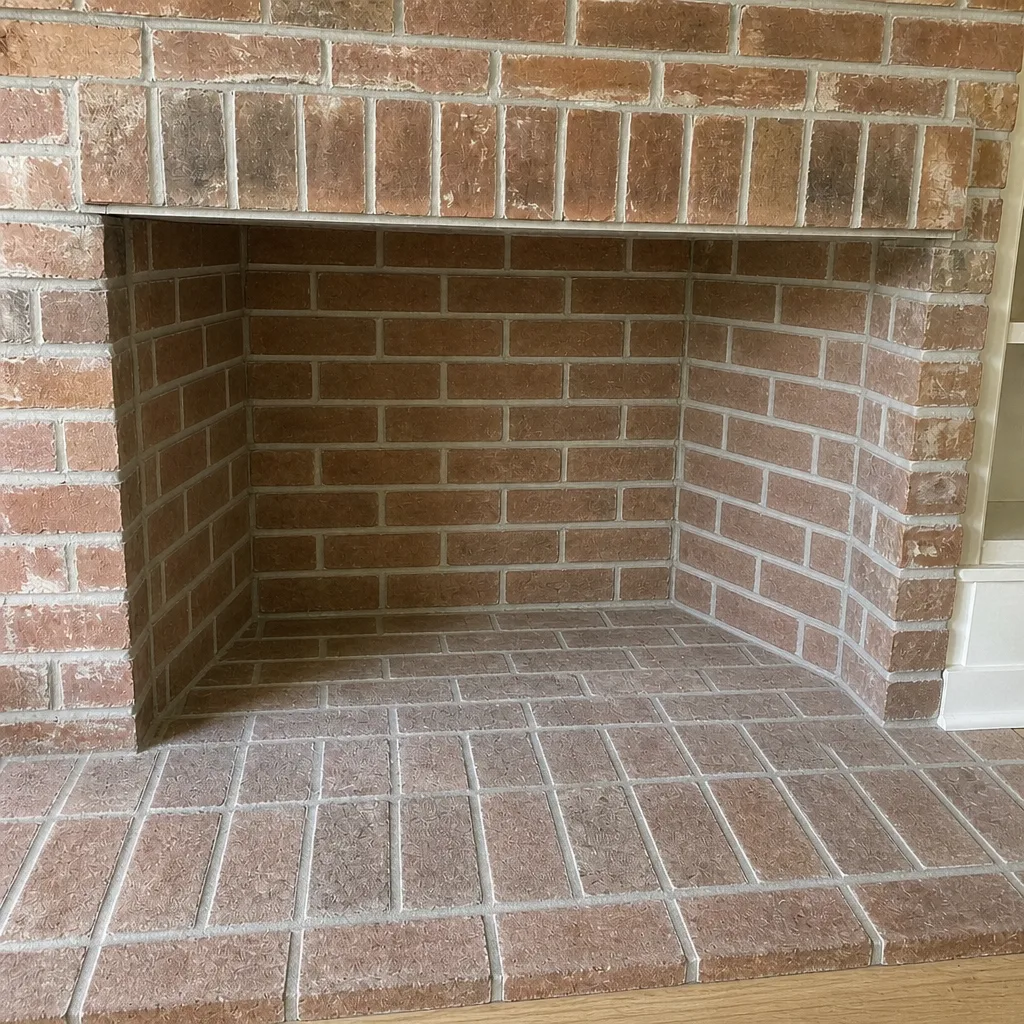
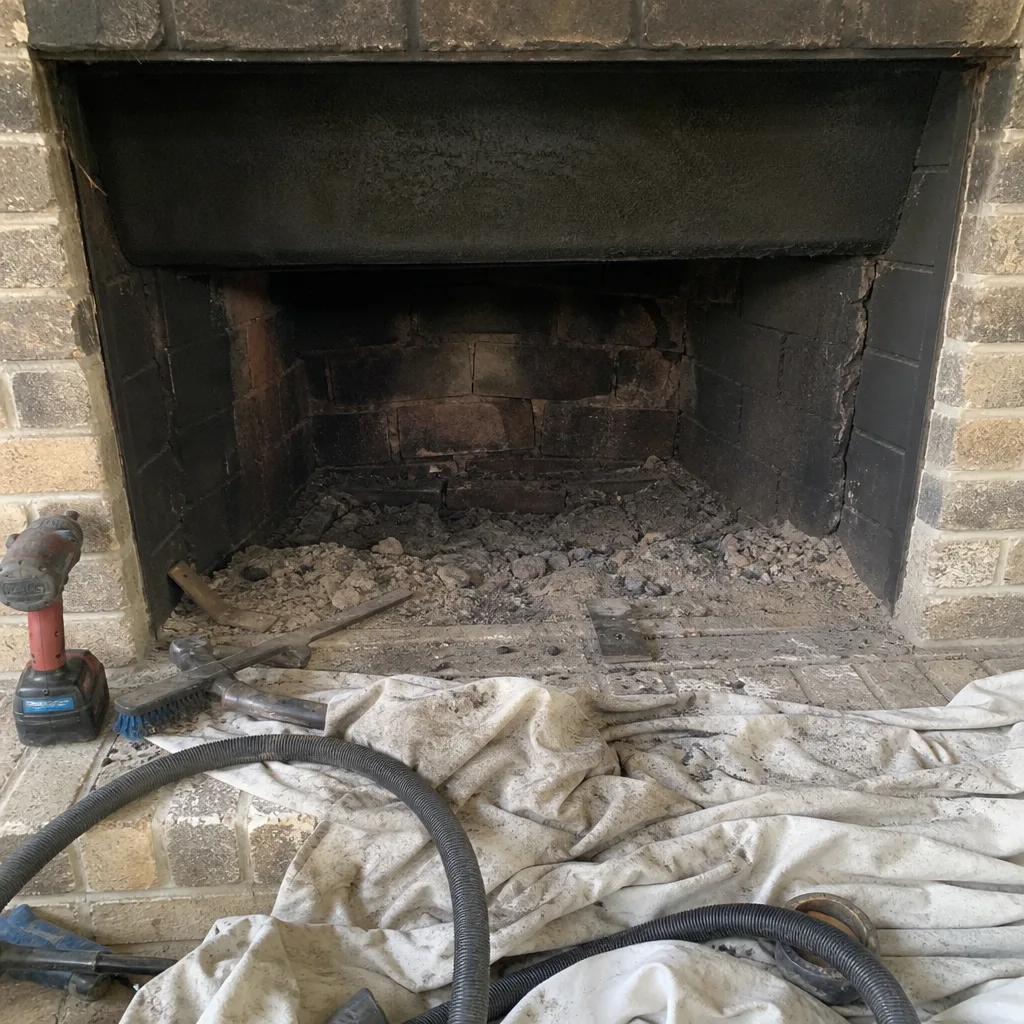
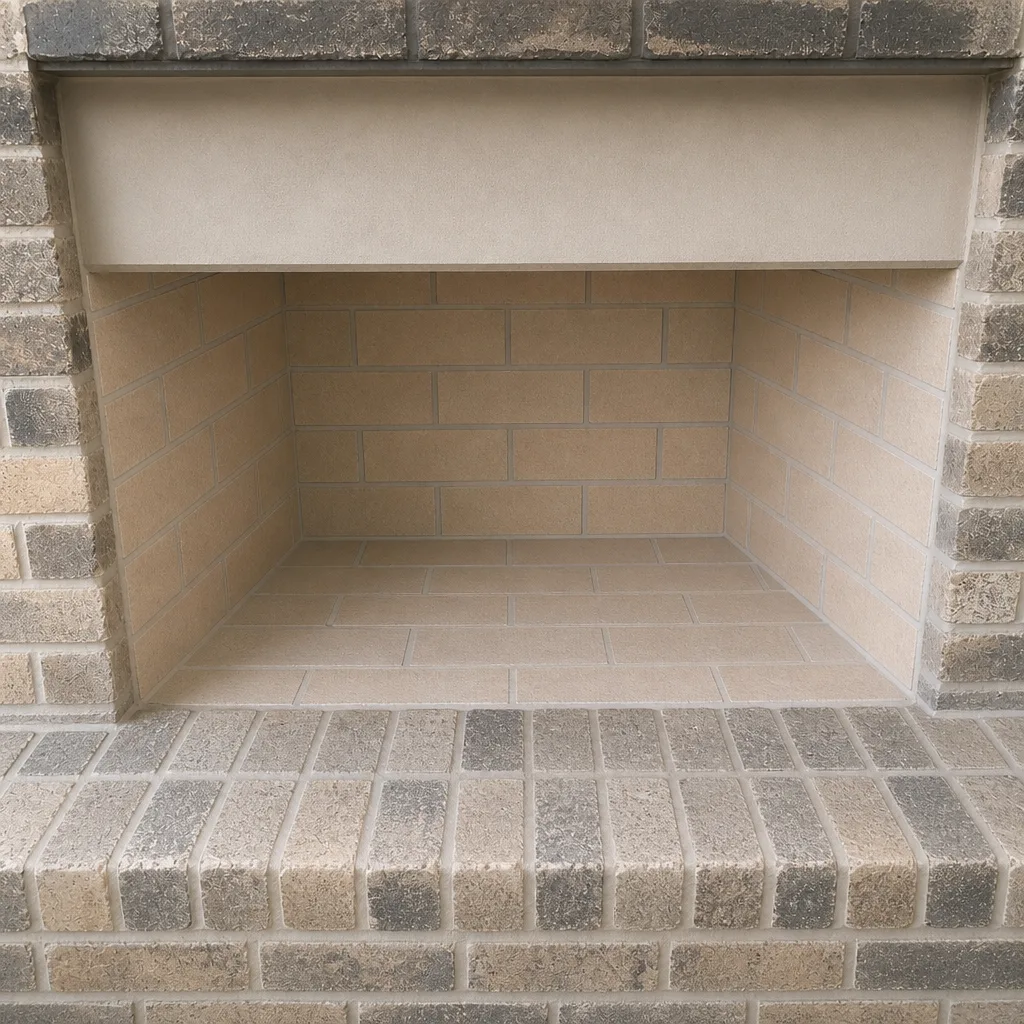
See the difference
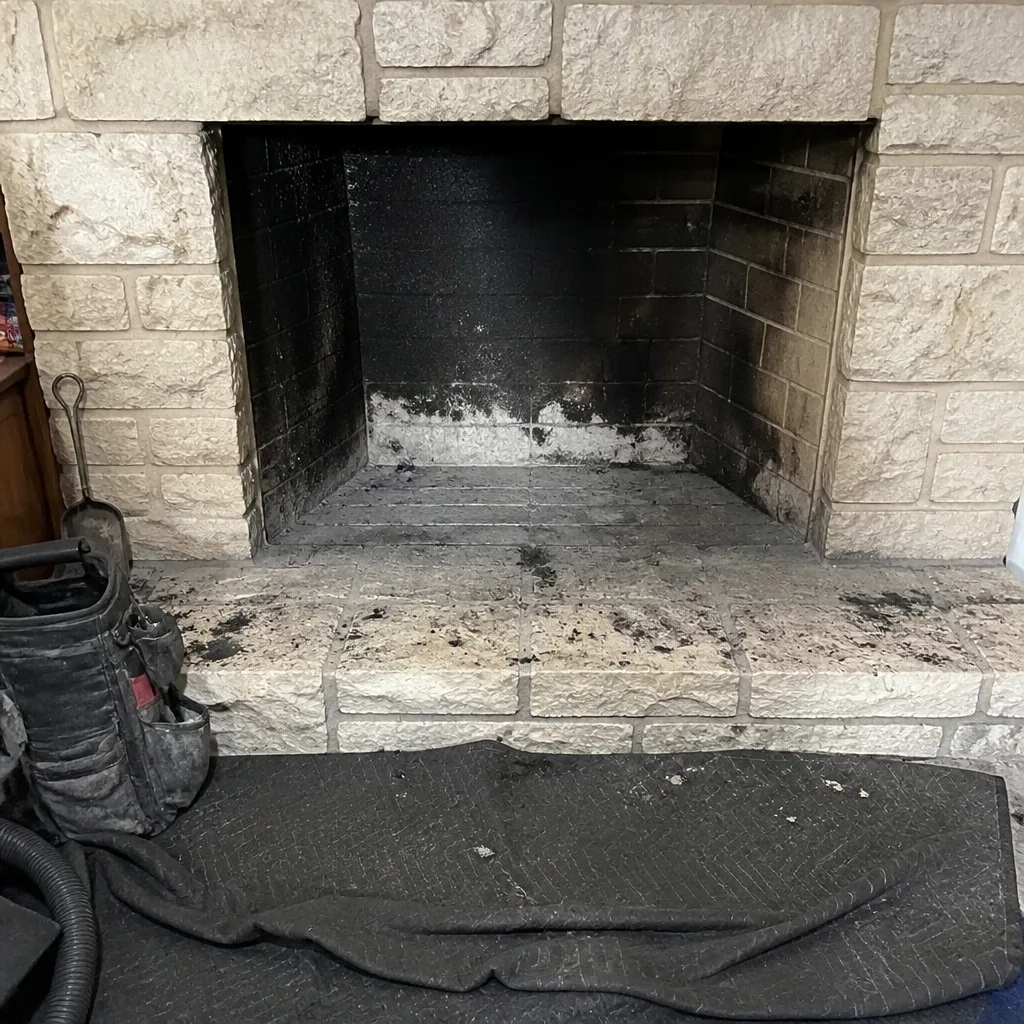 Before
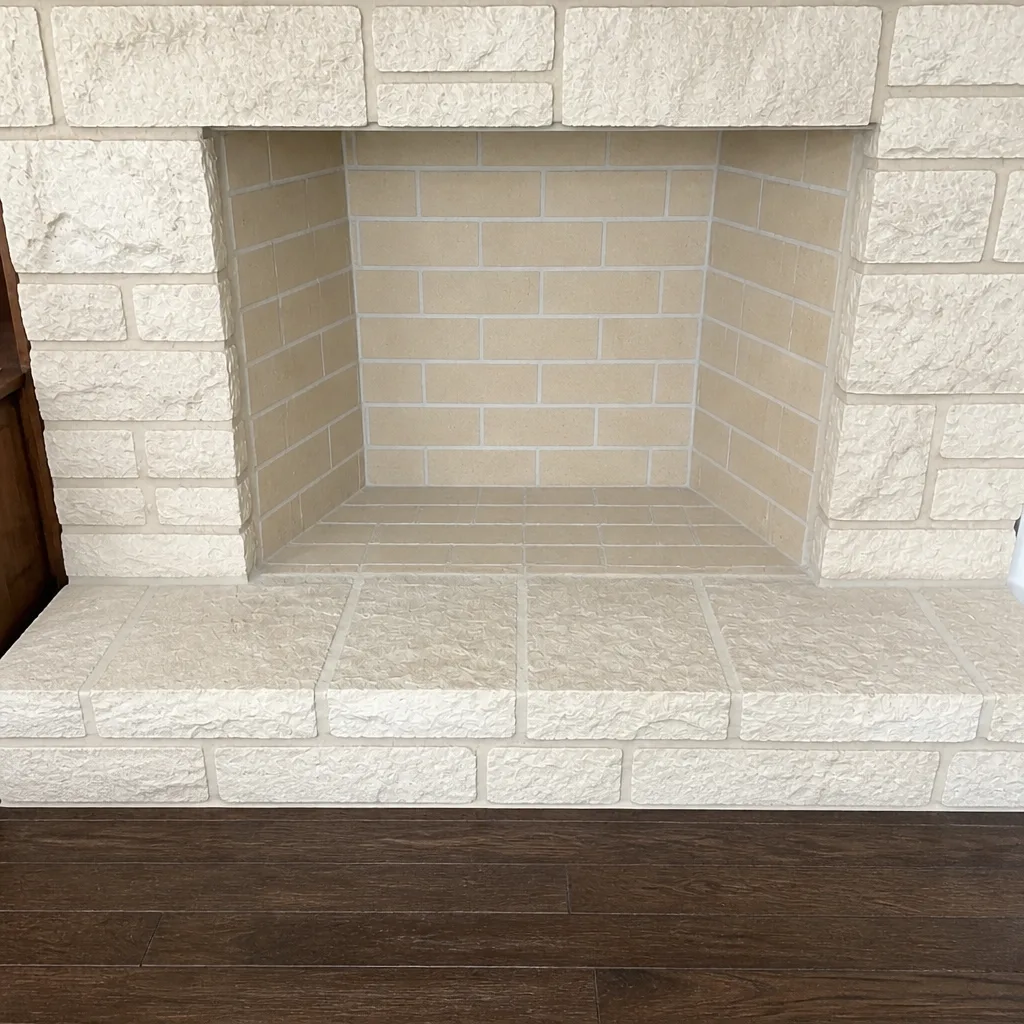 After
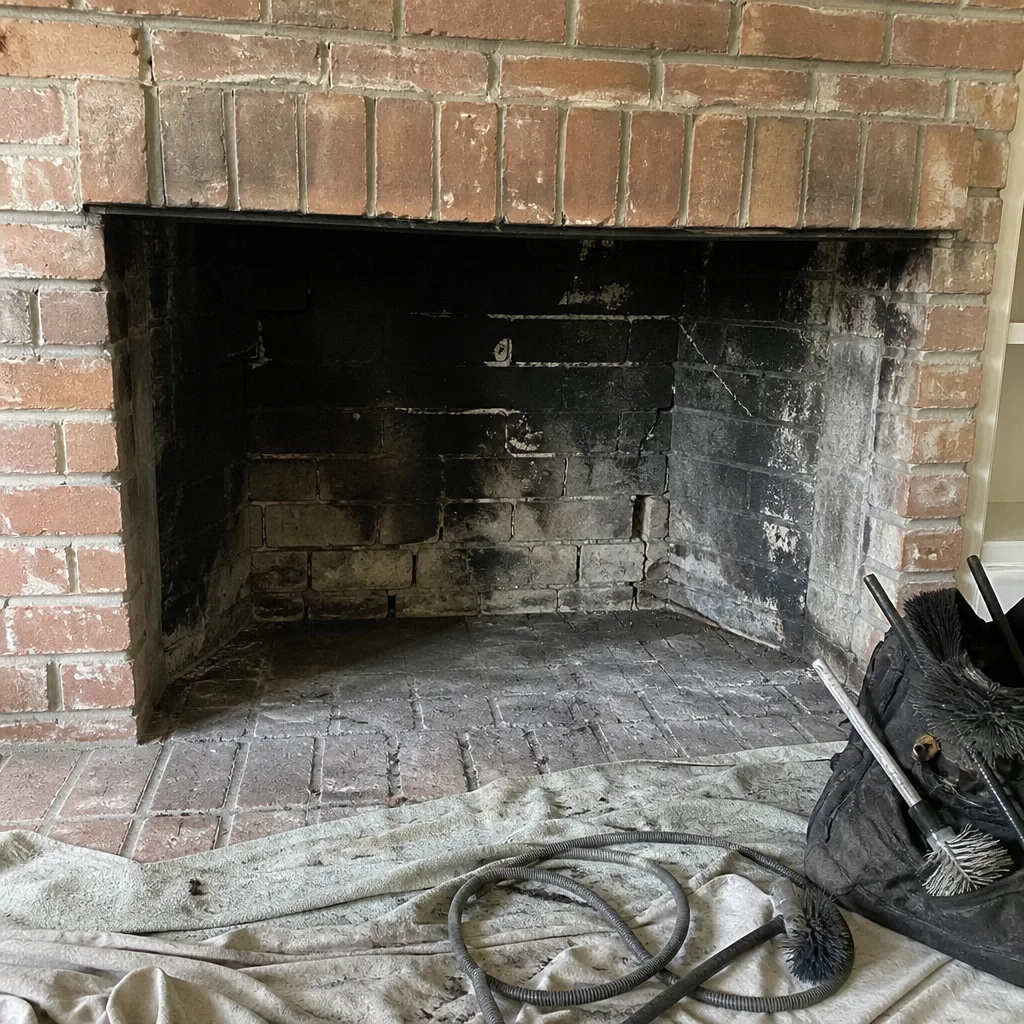 Before
 After
 Before
 After
When to Call a Professional
Some of this year-round care you can do yourself: ground-level checks, the season checklist, watching the draft on the first fire. The work that belongs with a trained chimney professional is the flue cleaning, the camera-based inspection, and any repair that touches the crown, cap, liner, or firebox. Call a professional if you’ve never had the chimney inspected, if you smell smoke in the house while a fire is burning, if you see staining or dampness near the chimney, if a storm passed through and something at the top of the stack looks different, or if you’re due for your annual spring sweep. High-tension springs and any liner work are not DIY territory, and we’d always rather look at a small issue now than at a big one later.
Chimney Sweep Spring Branch offers free estimates in Spring Branch. Call (833) 482-6711 and we’ll schedule an inspection that puts the report in your hands, camera evidence included, before any work is recommended. The local pro is licensed and insured as the state requires, and the written estimate sets the final price.
Frequently Asked Questions
Spring, March through May, is the best time for a sweep in Spring Branch. Cleaning then clears out the creosote from the firing season before summer heat can bake it on and trap odors in a closed-up house, and it lets any moisture or masonry damage get fixed while the weather is dry and mild.
Once a year covers most Spring Branch homes. A typical fireplace here sees twenty to thirty fires per season, which is light compared to colder states. Homes that burn several times a week, or that burn unseasoned wood, should plan an additional mid-season check.
Not necessarily. If your current cap fits the flue and is intact, and the crown is uncracked and shedding water, no work is needed. The cap and crown only need replacing when they’re cracked, loose, rusted, or letting water in. A properly fitted replacement from Famco or Copperfield is one of the least expensive ways to protect the whole chimney.
Look up from the yard for a tilted or missing cap, then check the flashing and roofline. Inside, look for new water stains in the attic and on the ceiling near the chimney within the first week after the storm. If anything looks off, or the storm was severe, book an inspection rather than climbing onto the roof.
Yes. Inspection is available as a standalone service, and it’s the right starting point for a new homeowner or an older fireplace. The inspection report, with camera evidence, drives what’s recommended. Nothing is quoted until you can see the damage for yourself.
Skipping one year is usually recoverable: the sweep in spring brings you back up to date, and any small issues get caught. The real risk comes over two or three seasons of neglect, when creosote accumulates, small crown cracks widen, and water gets into the masonry. That’s when a simple cleaning turns into structural repair. Book a sweep and inspection before that happens.
The Bottom Line
The national chimney calendar doesn’t fit Spring Branch. Here, the highest-priority cleaning window is spring, when clearing creosote before the summer heat matters more than sweeping before the short winter season. Summer is for ground-level checks and cap and crown work. Storm season calls for post-storm inspections after heavy wind and rain. Winter is for the firing-season checklist and clean, well-timed fires. One sweep and one inspection a year, plus a visual check at every season change, keeps a Spring Branch chimney healthy. The cap and crown are the cheapest protections you can put on the system and the ones that prevent the most expensive repairs. Our technicians have up to 14 years of experience with chimney systems in this climate. If you want the year planned for you, we can do that in one visit.
Call (833) 482-6711 for a free estimate. We answer 24/7. Fast dispatch from 7am to 7pm, Sunday through Friday. The written estimate sets the final price, and nothing is recommended without camera evidence you can see yourself.
Written by the team at Chimney Sweep Spring Branch.