
Last updated November 24, 2026
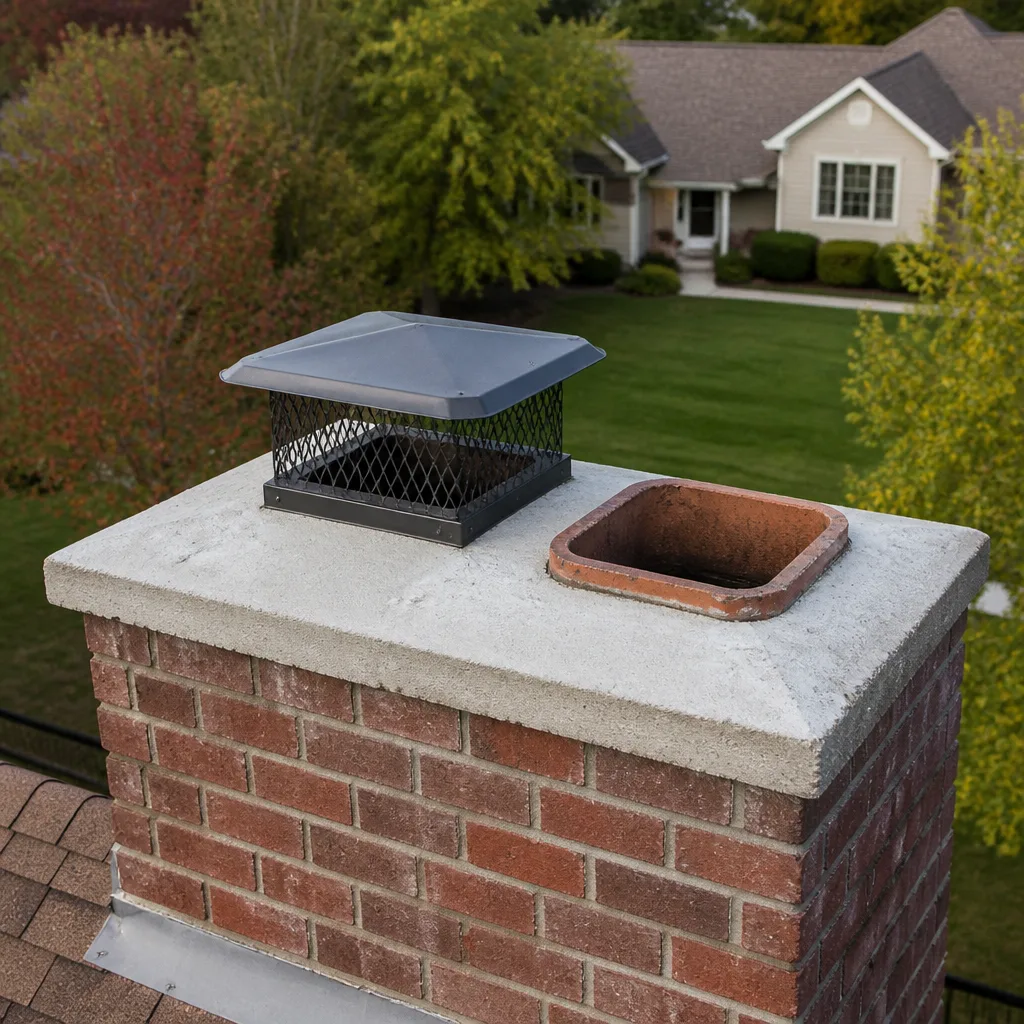 Sweep & inspection
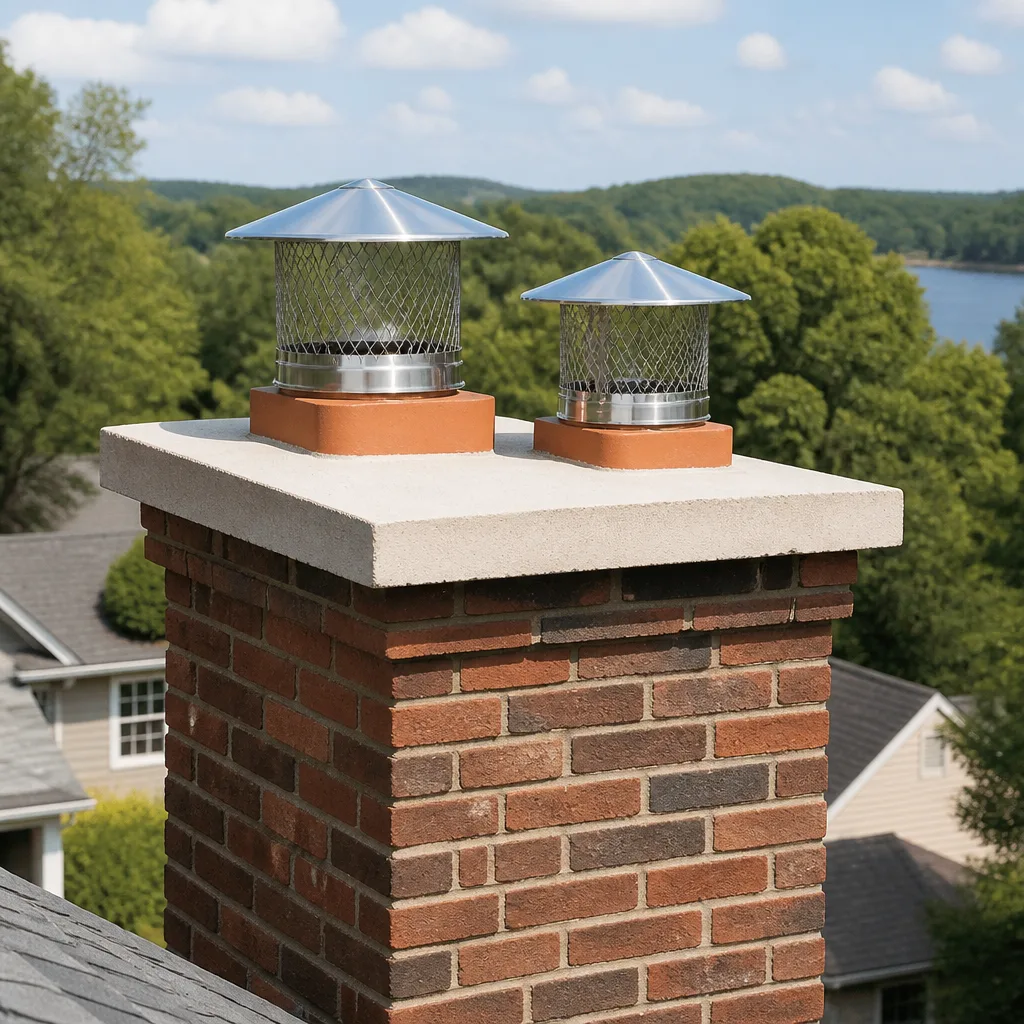 Caps & crowns
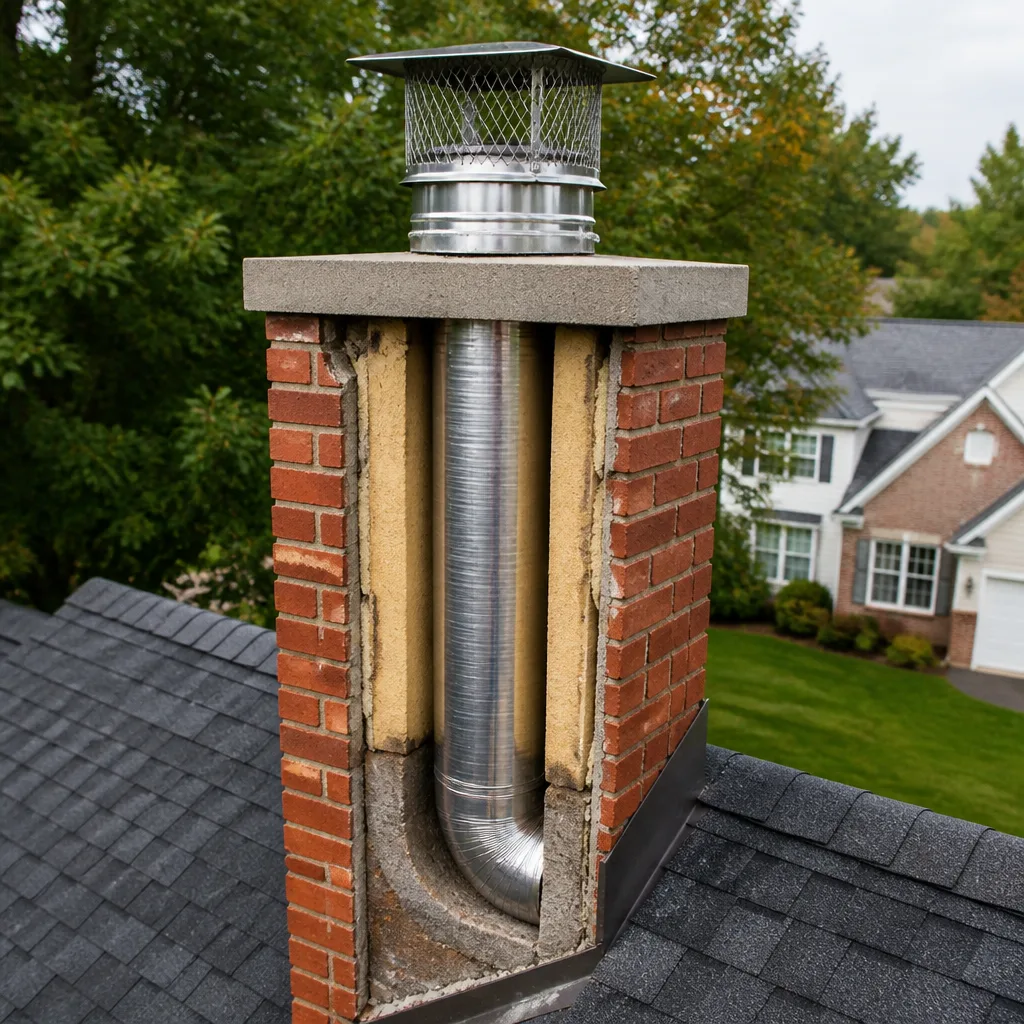 Flue relining
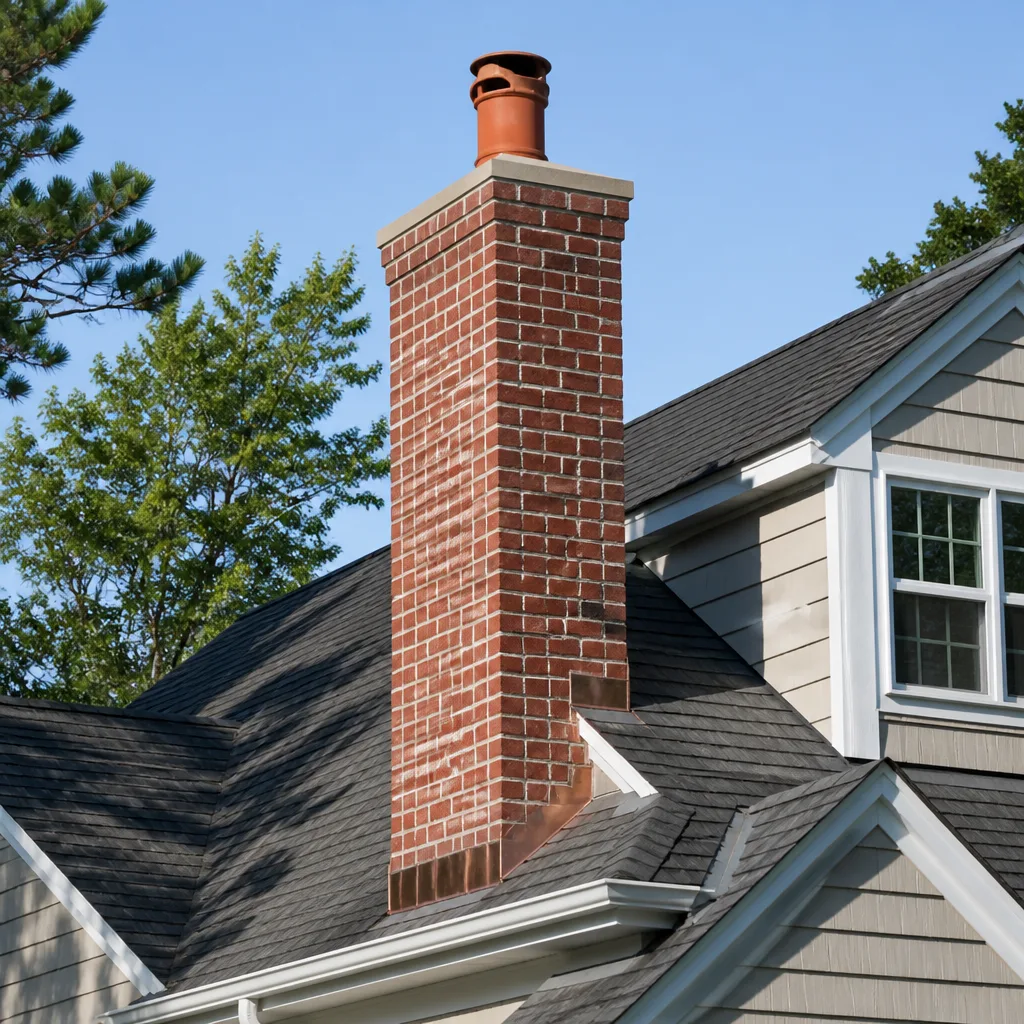 Masonry repair
 Gas fireplace service
Level 1 sweep and inspection to the NFPA 211 annual standard - flue, crown, cap, and flashing checked and photographed
Chimney sweep logs do not sweep chimneys. They loosen some creosote - which then falls where a brush and vacuum still have to collect it.
How to Hire a Chimney Cleaning Contractor in Spring Branch: A Step-by-Step Guide
Texas does not license chimney sweeps. That’s the part most homeowners don’t know until it’s too late. Anyone with a van, a brush, and a magnetic sign can legally call themselves a chimney professional in this state, quote you a price, and climb onto your roof. There’s no state board checking their work, no exam they had to pass, no minimum standard they had to meet. The only thing standing between you and an expensive mistake is knowing how to vet credentials on your own. This guide walks through the exact questions to ask, what the answers should sound like, and how to tell a real chimney specialist from a generalist with a ladder, so you can hire with confidence here in Spring Branch.
Quick Answer
To hire a chimney cleaning contractor in Spring Branch, verify current CSIA certification by name on the Chimney Safety Institute of America website, ask five diagnostic questions about camera equipment, liner materials, and how recommendations are made, and insist on a written estimate with line-item pricing before any work begins. Skip any contractor who can’t answer those questions clearly, who quotes a price over the phone without seeing the chimney, or who leads with scare tactics about imminent danger.
Styles & brands we work with
- Sweep & inspection
- Caps & crowns
- Flue relining
- Masonry repair
- Gas fireplace service
Table of Contents
- Why Texas Has No Chimney Licensing (and What Fills the Gap)
- What CSIA Certification Actually Means and How to Verify It
- The Five Questions to Ask Before You Book Anyone
- Red Flags Specific to Low-Cost Chimney Services
- Why Brand-Name Materials Signal a Different Level of Readiness
- What a Legitimate Written Estimate Includes
- What’s Different About Chimney Care in Spring Branch
- What Chimney Cleaning Costs in Spring Branch
Why Texas Has No Chimney Licensing (and What Fills the Gap)
Homeowners often assume their chimney sweep is licensed, bonded, and regulated the way an electrician or plumber is. In Texas, that assumption is wrong. The state doesn’t issue chimney sweep licenses, doesn’t require continuing education, and doesn’t inspect the work. The Texas Department of Licensing and Regulation handles plenty of trades, but chimney sweeping isn’t one of them. That means the only credential that carries real weight is voluntary, and it comes from a national organization, not a state agency.
This gap matters more in Spring Branch than it might in a state with stricter oversight. Rural and semi-rural areas around San Antonio and the Hill Country see plenty of handymen who add chimney sweeping to their list of services because it sounds easy. Brush, shop vac, done. But a chimney sweep’s real job isn’t clearing soot; it’s inspecting the flue, spotting creosote glaze, checking for cracks in the liner, and knowing when a chimney isn’t safe to use. That takes training, and plenty of people doing the work here haven’t had it.
So what fills the gap? Three things:
- CSIA certification – a national credential with an exam, a code of ethics, and renewal requirements.
- Manufacturer training – brands like HeatShield and DuraFlex only let trained applicators install their systems, so a contractor who carries those brands has been vetted by someone.
- Written documentation – camera photos, inspection reports, line-item estimates. A professional leaves a paper trail; a fly-by-night operator doesn’t.
Your job as a homeowner is to ask for all three and to notice when a contractor can’t produce any of them. That’s the entire hiring framework in a state without licensing. It’s not complicated, but it does require you to ask before booking, not after.
What CSIA Certification Actually Means and How to Verify It
CSIA stands for the Chimney Safety Institute of America, a nonprofit that runs the only widely recognized certification program for chimney professionals in the country. A CSIA-certified sweep has passed a proctored exam covering chimney construction, venting, codes, and safety, and has agreed to a code of ethics that includes not performing unnecessary work. The certification requires renewal every three years, so it’s not a one-time badge someone earned and forgot about.
Here’s the part most homeowners miss: you can verify certification in real time, before you book, on the CSIA website. It takes about two minutes. You search by name, by company, or by ZIP code, and the site tells you whether that person’s certification is current. Do this every time, even when a contractor tells you they’re certified, and even when the badge is on their website. Certifications lapse. A contractor who was certified five years ago and didn’t renew isn’t certified today, and the website will show that clearly.
How to verify CSIA certification step by step
- Go to the CSIA website and open the “Find a Chimney Professional” search tool.
- Enter the contractor’s name, the company name, or your Spring Branch ZIP code.
- Check that the listing shows “Active” or “Current” status, not “Expired.”
- Confirm the name on the listing matches the person who will actually be at your house, not just a name on a business card.
- Save or screenshot the listing. If the contractor disputes anything later, you’ll have a record.
A contractor who hesitates when you mention the CSIA search is telling you something. A certified professional will encourage you to check, because the verification is the whole point. It’s the minimum bar for hiring, not a bonus. If a company can’t clear it, nothing else they say matters.
The Five Questions to Ask Before You Book Anyone
Certification gets a contractor through the door. These five questions tell you whether they’re actually equipped for your chimney, not just someone else’s. Ask them on the phone before scheduling, and listen for how quickly and specifically the answers come.
1. Do you carry a camera for liner inspection?
A chimney sweep without a camera is guessing. The flue is a vertical shaft you can’t see into from the firebox, and the problems that matter, cracks in clay tile liners, gaps in joints, heavy creosote glaze, are invisible from the outside. A trained sweep runs a camera down the flue and shows you the footage. If the answer to this question is “we’ve been doing this a long time” or “we’ll let you know if we see anything,” that’s a no.
2. How do you decide whether a liner needs replacing?
This is where honest contractors and upsellers split. A professional answers with conditions: cracks that go through the tile, gaps between tiles, damaged sections from a past chimney fire, or a flue that’s undersized for the appliance. They show you the camera footage that supports the recommendation. An upseller answers with urgency. “We’ll know when we get up there” or “most chimneys this age need a liner” are both red flags.
3. What liner and repair products do you install?
Specific brand names are the tell. A contractor who works with HeatShield for flue resurfacing, or DuraFlex for flexible liner systems, or Olympia Chimney for caps and components, has been trained by those manufacturers and can source the materials when a job calls for them. A contractor who says “whatever’s available” is sourcing from a hardware store and hoping the fit works.
4. Do you perform the inspection first, then recommend?
Inspection-first is a process, and you can hear it in the answer. The contractor should explain that they’ll inspect, document what they find, and then show you the findings before recommending anything. If they suggest a service over the phone before seeing your chimney, that’s a checklist talking, not a professional.
5. What does your written estimate include?
Ask this even for a routine sweep. A professional itemizes: what’s being cleaned, what’s being replaced, which materials, what the disposal involves, and what’s not included. If the answer is a single number, that’s a verbal quote with extra steps. You’ll want the detail.
Red Flags Specific to Low-Cost Chimney Services
Low-cost chimney cleaning has its own playbook in Texas, and once you’ve heard it a few times you can spot it from the driveway. Here’s what to watch for.
- Fuel upsells. A sweep who shows up and immediately pushes a fuel additive or creosote-reducing log, before they’ve even looked inside, is selling product, not assessing your chimney. Fuel treatments have their place, but only after an honest inspection shows you need one.
- Unnecessary liner replacement. The single most common upsell in the trade. A chimney with a cosmetic crack in one tile doesn’t usually need a full reline, and a proper inspection with camera footage will show the difference. If the recommendation comes without footage, push back.
- “Imminent” chimney fire warnings. Chimney fires are real and serious, and heavy creosote glaze is a legitimate concern. But a contractor who tells you your house is about to burn down before they’ve shown you any evidence is using fear to close a sale. The right process produces evidence first.
- Door-to-door pitches. Unsolicited visits to your home offering a “deal” on chimney cleaning aren’t how reputable chimney specialists find work.
- Cash-only payment after the fact. Legitimate estimates are written. Payments go to a business, not a person who happens to be there.
- No documentation. If you ask for camera footage or an inspection report and it doesn’t exist, nothing they’ve told you has been checked.
- A price so low it doesn’t cover the trip. A sweep that comes out for a fraction of the going rate in the area has to make up the difference somewhere. That somewhere is usually a recommended repair you didn’t need.
None of this means a fair price is suspicious. It means the price should match the work being done, and the work should match what the inspection actually finds. A written estimate with a camera report behind it is the difference between paying for a sweep and paying for a sales visit.
Why Brand-Name Materials Signal a Different Level of Readiness
Ask what products a contractor carries, and listen for brand names. There’s a reason professional-grade chimney materials are made by a small group of manufacturers, and it isn’t because hardware stores are hiding the good stuff. Flue liners, crown sealants, top plates, and caps have to perform in a hot, corrosive environment for decades. The materials that do that come from specific brands with specific installation requirements, and the manufacturers only let trained contractors use them.
When a contractor tells you they install DuraFlex flexible liner systems, that signals training and tooling. A DuraFlex liner has to be sized correctly to the flue, insulated properly, and connected to the appliance the right way. Getting it wrong means it’s coming back out. When we tell homeowners we stock and install products from DuraFlex, HeatShield, Gelco, Olympia Chimney, Famco, and Copperfield, the point isn’t brand loyalty. It’s that those materials are available when the job calls for them, rather than ordered from a website and hoped for.
The HeatShield system is a good example. It’s a specialist-grade resurfacing product applied to damaged flues, and most basic sweep companies don’t offer it or aren’t trained to apply it. When it’s appropriate, it saves the homeowner the cost and disruption of a full reline. That capability is the difference between a sweep and a chimney specialist. Similarly, our chimney cap & crown work uses Famco and Copperfield components, because those are built for long weather exposure and a properly fitted cap keeps water, birds, and debris out of the flue for years.
Materials on hand matter because waiting on a supplier means waiting on a repair. It also means the contractor can show you the actual component before it’s installed, which is exactly what you want when you’re paying for a permanent repair.
What a Legitimate Written Estimate Includes
A verbal quote is a conversation. A written estimate is a contract. The difference is what you have to hold someone to if the work doesn’t go as planned, and it’s the single most important document in the whole hiring process.
A legitimate written estimate for chimney work should include, at minimum:
- Scope of work spelled out line by line: sweep, inspection, cap installation, liner replacement, crown repair, or whatever combination applies.
- Materials named by brand and type where relevant. “Liner” is not enough; “DuraFlex flexible liner, sized to the flue” is.
- What’s excluded and why, including anything that might need to be addressed once the chimney is opened up.
- Conditional pricing for work that depends on what the camera finds. If a reline becomes necessary based on inspection, you should see the number before you agree to it.
- A clear final price for the work as scoped, with a note that any additional work requires a separate written approval.
- What documentation you’ll receive afterward: camera footage, an inspection report, photos of the finished work.
What you won’t find on a real estimate is a verbal promise. If a contractor tells you they’ll “take care of you” or “make it right if something comes up” without putting it in writing, none of it is enforceable. Written estimates protect both sides, and a professional shouldn’t hesitate to produce one before any work begins.
Our written estimate sets the final price for the work as scoped, and nothing is added without your approval. You’ll also get camera footage and a photo report of the inspection included, so the recommendation is something you can see for yourself. Nothing is recommended without that evidence, and we’ll tell you plainly when work can safely wait.
What’s Different About Chimney Care in Spring Branch
Spring Branch sits in the Hill Country north of San Antonio, and the chimney stock here reflects that. Plenty of homes in and around Spring Branch were built decades ago with fireplaces that are still in regular use. Some have clay tile liners that have held up well; others have hairline cracks from settling, or sections that have degraded from years of use. The mix matters because the recommendation for a chimney in Spring Branch isn’t necessarily the same as for a newer home in a subdivision.
Another local factor is winter use. Spring Branch winters are mild, which means fireplaces here get used in bursts, usually during the colder stretches of January and February. That usage pattern creates a specific kind of creosote: it builds up slowly, then gets baked hard during a cold snap. A yearly inspection catches it before it gets to the glaze stage. Homeowners who skip several seasons because the fireplace “wasn’t used much” often discover that the buildup happened anyway, just slowly.
It’s also worth knowing that Spring Branch fireplaces tend to include a mix of masonry and prefabricated units. Masonry chimneys with clay tile liners need different care than factory-built fireplaces with metal flues, and a contractor has to know the difference. A chimney specialist will look at the construction type before quoting and will tell you what kind of liner or repair makes sense for it. A generalist won’t ask.
If you’ve inherited a fireplace in an older Spring Branch home and you don’t know its history, start with an inspection before your first fire. A chimney sweep with camera inspection will tell you what you’re working with, and that documentation is useful whether or not a repair is needed.
What Chimney Cleaning Costs in Spring Branch
Chimney cleaning prices in Spring Branch reflect the cost of doing the work properly: a trained sweep, camera equipment, and the time to document what’s found. Typical estimates for the core services fall in these ranges:
- Standard chimney sweep: roughly $180-$340, depending on how much buildup is present.
- Camera inspection: often included with a sweep, sometimes quoted separately around $100-$200.
- Chimney cap installation: typically $150-$400, depending on the chimney and the cap style.
- Crown repair or replacement: typically $300-$900, depending on the extent of the damage.
- Flue relining with DuraFlex or similar systems: typically $1,500-$4,000, depending on flue length and complexity.
- HeatShield flue resurfacing: typically $1,200-$2,800, when the flue qualifies for resurfacing rather than a full reline.
These are estimates, not quotes. The written estimate after an inspection sets the final price for the work you approve, and it’s the number to plan around. Some flues need nothing beyond a sweep. Others need more. The point of the inspection is to find out which, before you commit to anything.
Call (833) 482-6711 for an exact quote in Spring Branch. The estimate is free, and you’ll have camera evidence and a written scope before any work is scheduled. We answer 24/7. Fast dispatch from 7am to 7pm.
Common Mistakes to Avoid
- Booking the lowest quote without verifying credentials. Price is the easiest thing to compare and the least useful if the person doing the work isn’t qualified. Check CSIA status first, then compare.
- Accepting a phone quote for a repair. No legitimate contractor can price a liner replacement without seeing the flue. If the number comes before the inspection, slow down.
- Skipping the camera inspection to save a little money. The camera is the whole reason a chimney inspection is worth paying for. Without it, the sweep is working blind.
- Hiring the person who showed up at the door. Unsolicited chimney cleaning offers are common and rarely legitimate. Do the vetting yourself, on your schedule.
- Treating a verbal “we’ll make it right” as a warranty. If it isn’t written on the estimate, it doesn’t exist. Ask for the details in ink.
- Letting a scare tactic rush the decision. A real safety issue is worth acting on, but not without evidence. If a contractor claims imminent danger, ask to see the footage before scheduling anything.
- Skipping a spring or fall inspection because the fireplace “wasn’t used much.” Spring Branch winters are mild, but that doesn’t mean buildup didn’t happen. Yearly inspection is the baseline.
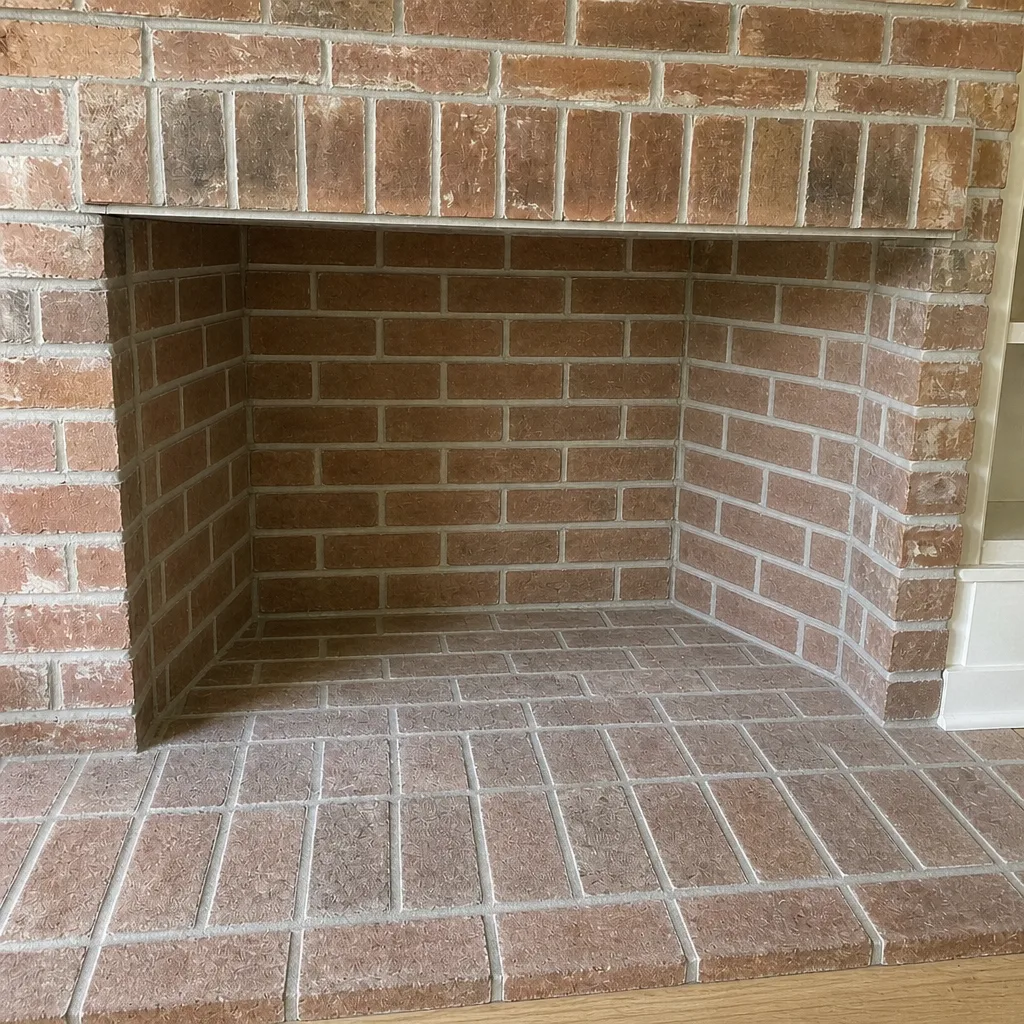
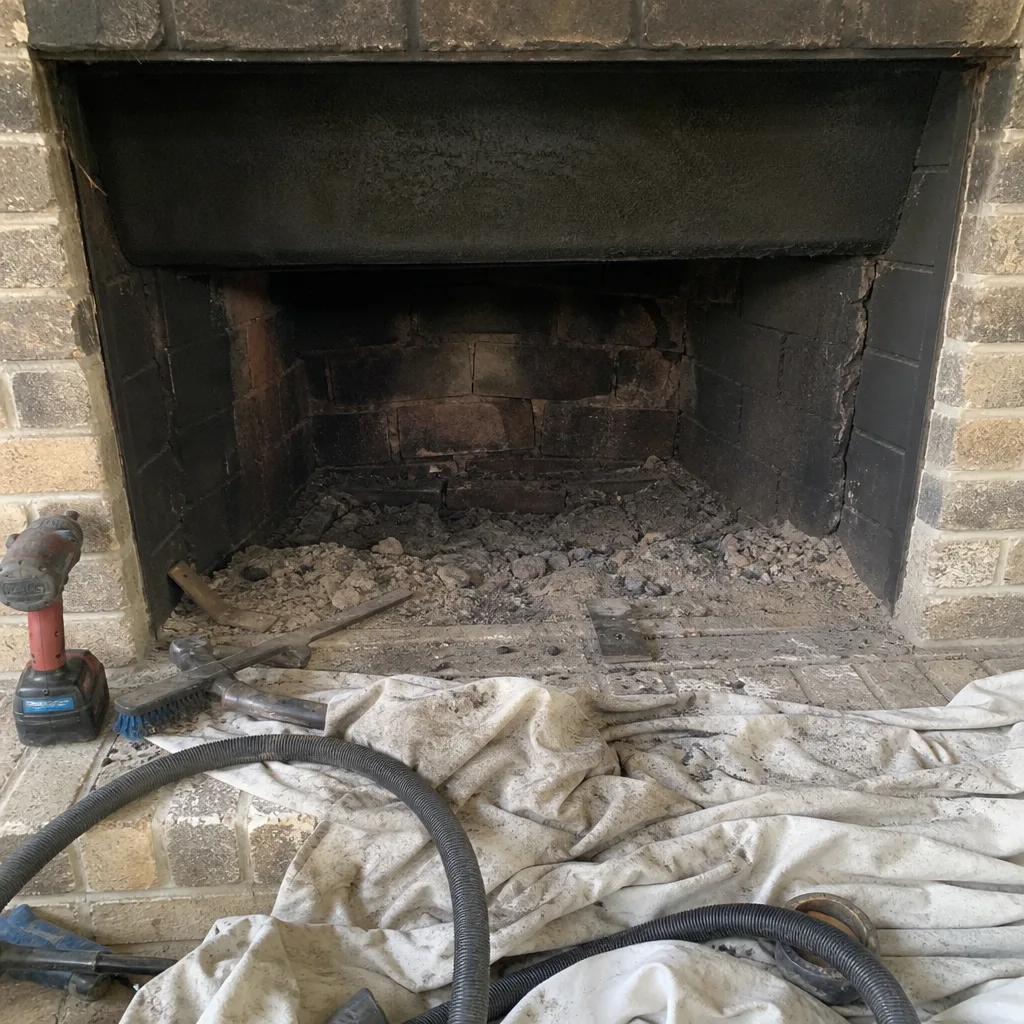
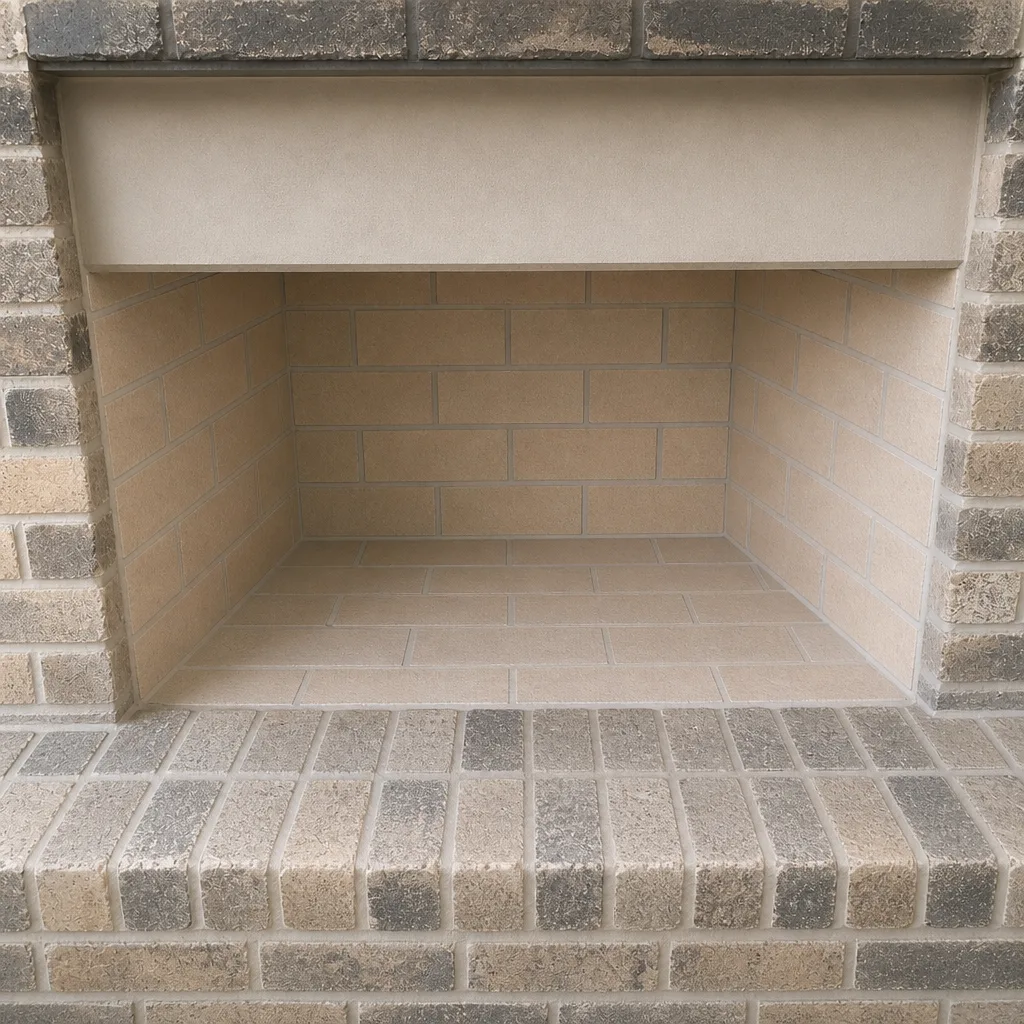
See the difference
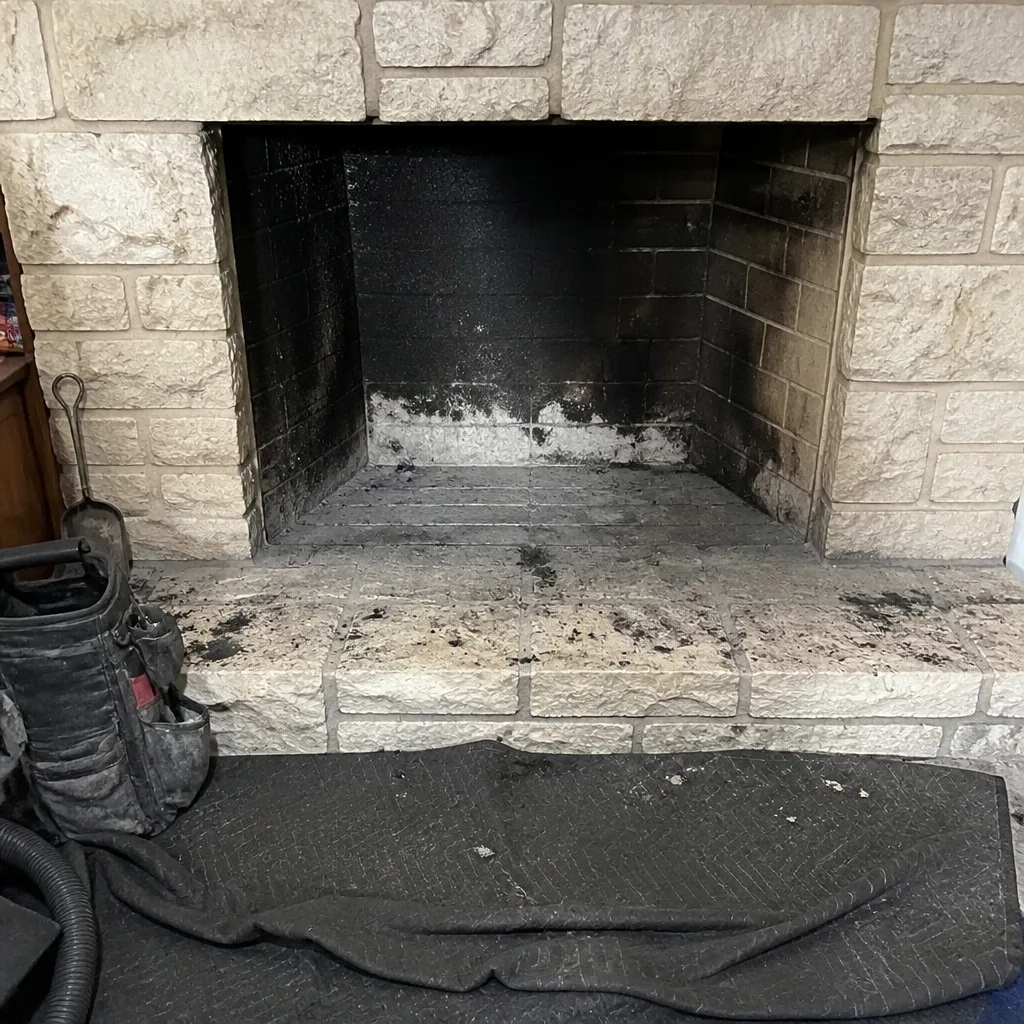 Before
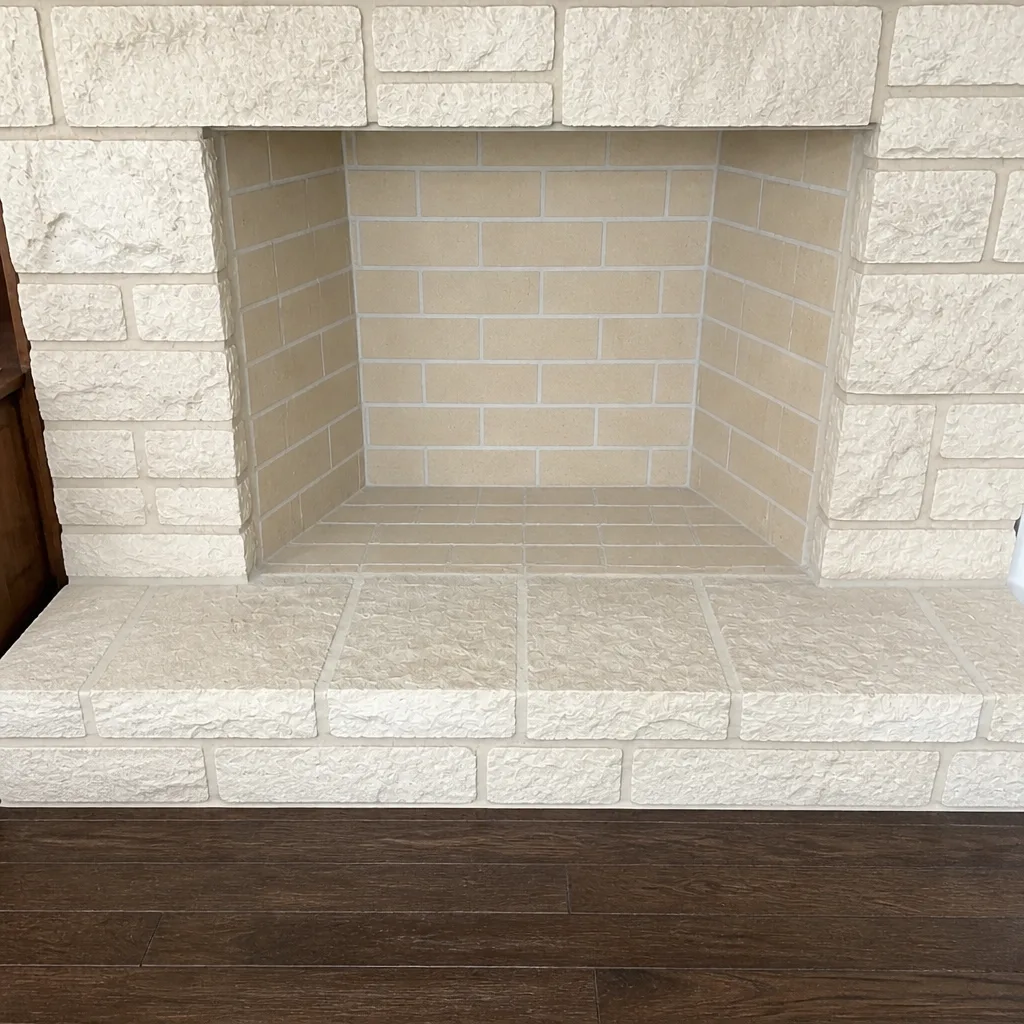 After
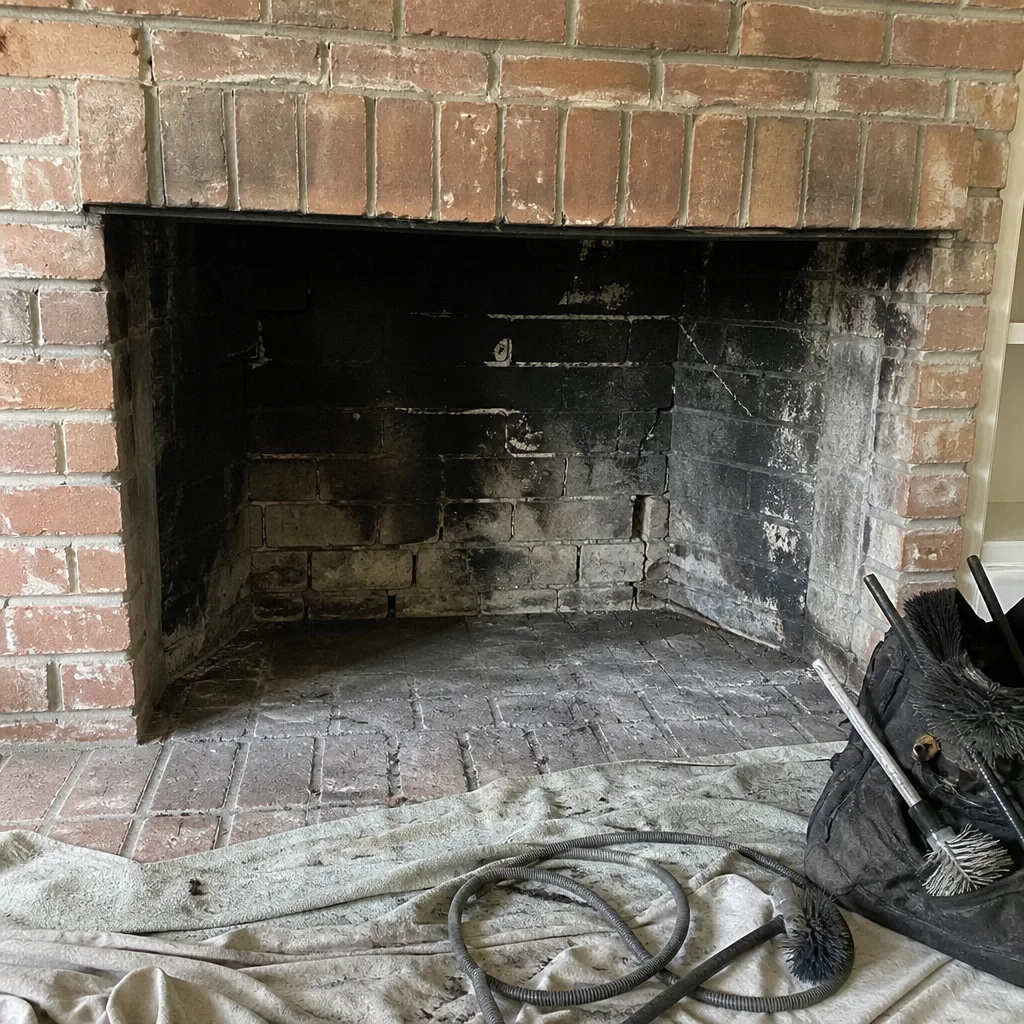 Before
 After
 Before
 After
When to Call a Professional
Some chimney issues need a qualified contractor right away, and some can wait for a scheduled visit. Call sooner if you smell a strong creosote odor inside the house, if smoke backs into the room when you light a fire, if you’ve had a chimney fire, or if you’ve noticed cracked or loose masonry around the crown or firebox. Those symptoms often mean the flue isn’t drafting properly or has been damaged, and continuing to burn is a real risk. Call us for those and schedule the next available slot; you’ll have an inspection and camera evidence before anything is recommended. For routine care, book a yearly sweep and inspection before your first fire of the season. And if you’re not sure whether your issue is urgent, call and describe it; we’ll tell you plainly whether work can wait. Chimney Sweep Spring Branch offers free estimates in Spring Branch – call (833) 482-6711. We answer 24/7. Fast dispatch from 7am to 7pm.
Frequently Asked Questions
A standard chimney sweep in Spring Branch typically runs $180-$340, depending on how much creosote has built up and how accessible the flue is. Camera inspection is often included, and a written estimate sets the final price for work you approve. Call (833) 482-6711 for an exact quote; estimates are free.
No. Texas does not license chimney sweeps, so there’s no state credential to check. The credential that matters is CSIA certification, which you can verify by name on the CSIA website before booking. That’s why asking about certification and verifying it yourself is the most important step in hiring.
Once a year for most Spring Branch homes, even with mild winters and infrequent use. Creosote builds up slowly and doesn’t clear itself, and a yearly inspection catches problems while they’re still small. If you burn heavily through the season, a mid-season check isn’t unreasonable.
Only camera evidence can answer that. A liner needs replacing when there are cracks through the tile, gaps between sections, damage from a past chimney fire, or a flue that’s undersized for the appliance. A cosmetic surface crack doesn’t automatically require a reline; HeatShield resurfacing is often an option for exactly that kind of damage. If a contractor recommends a new liner without showing you footage, ask to see it before agreeing.
Creosote accumulates on the flue walls, and the glazed form is highly flammable. A chimney fire can damage the liner, and in serious cases it can spread beyond the chimney. Carbon monoxide risk also rises when a flue is blocked by debris or soot. None of that is a reason to panic; it’s a reason to schedule a yearly inspection so you know what you’re working with.
Yes. We cover the full chimney lifecycle in one call: inspection, sweep, cap and crown installation, chimney repair, and fireplace repair. That includes relining with DuraFlex flexible liner systems and resurfacing with HeatShield when the flue qualifies. One contractor from inspection through repair means no coordination and no gaps in the documentation. Call (833) 482-6711 to get started; estimates are free.
The Bottom Line
Hiring a chimney contractor in Spring Branch comes down to verification, not price comparison. Check CSIA certification on the organization’s website. Ask the five questions: camera for liner inspection, how liner decisions get made, what materials they install, whether inspection comes first, and what the written estimate includes. Watch for red flags like fuel upsells, unnecessary liner replacements, and scare tactics without evidence. Then insist on a written, itemized estimate before any work begins. A qualified Chimney Sweep Spring Branch will welcome every one of those questions, because the answers are the whole reason to hire them.
If your fireplace is due for a sweep or you’ve just moved into a Spring Branch home and want an honest baseline before your first fire, call (833) 482-6711 for a free estimate. A flat price is agreed before booking, camera inspection and photo report are included, and we’ll show you the findings before recommending anything. We answer 24/7. Fast dispatch from 7am to 7pm, Sunday through Friday.
Written by the team at Chimney Sweep Spring Branch.