
Last updated November 24, 2026
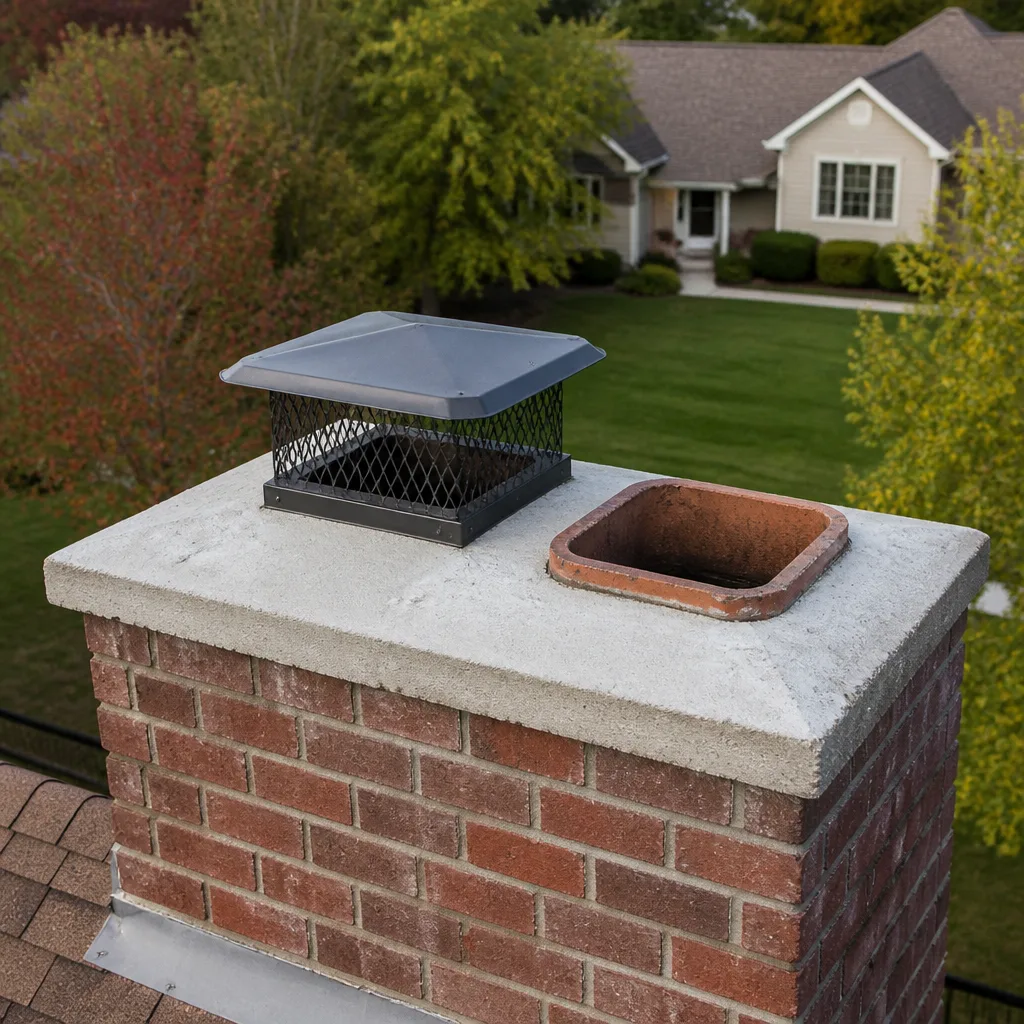 Sweep & inspection
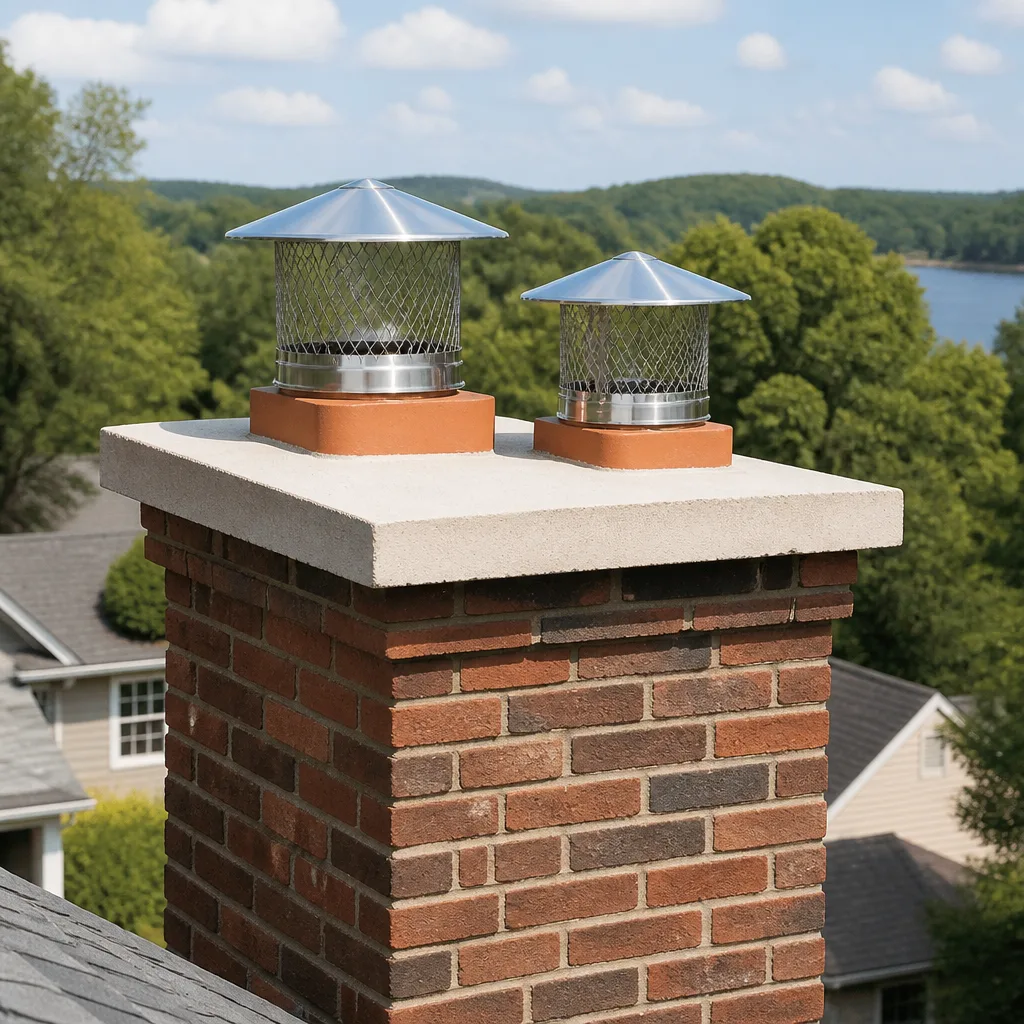 Caps & crowns
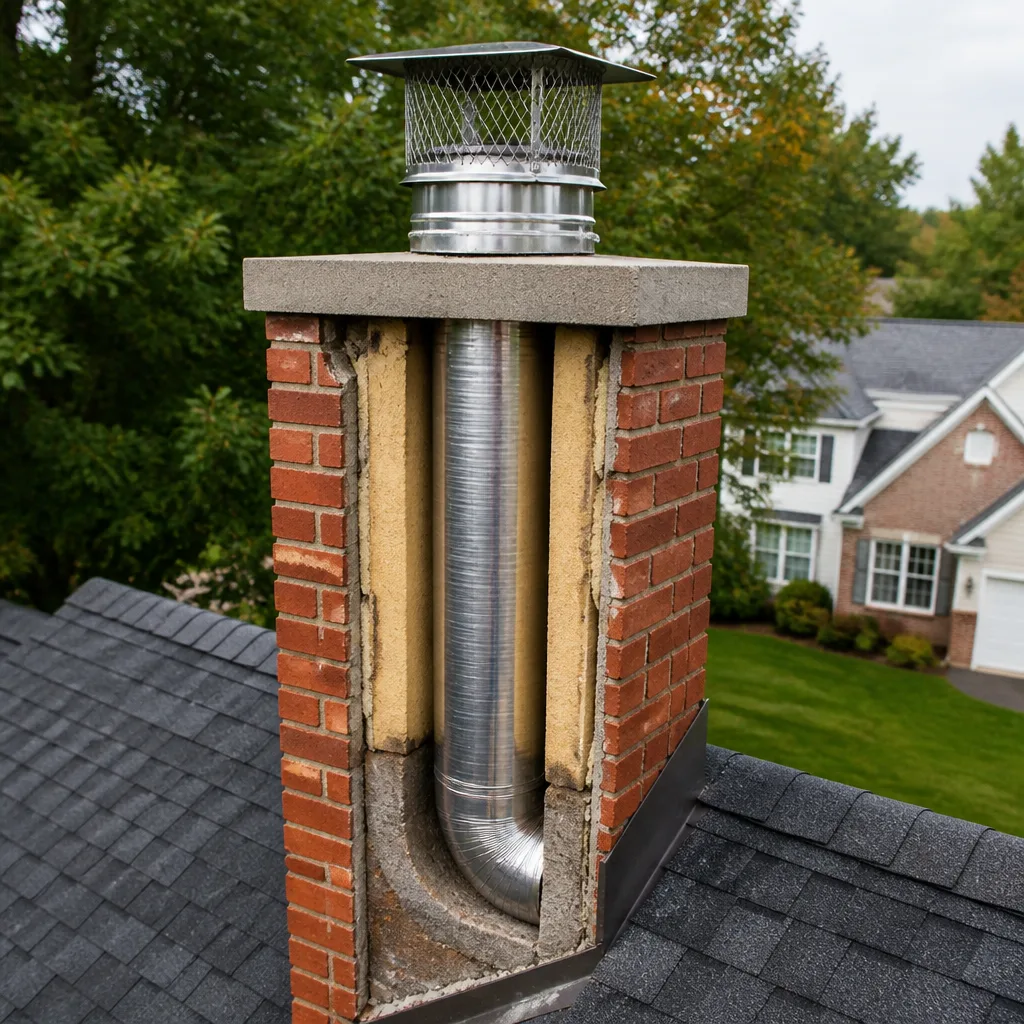 Flue relining
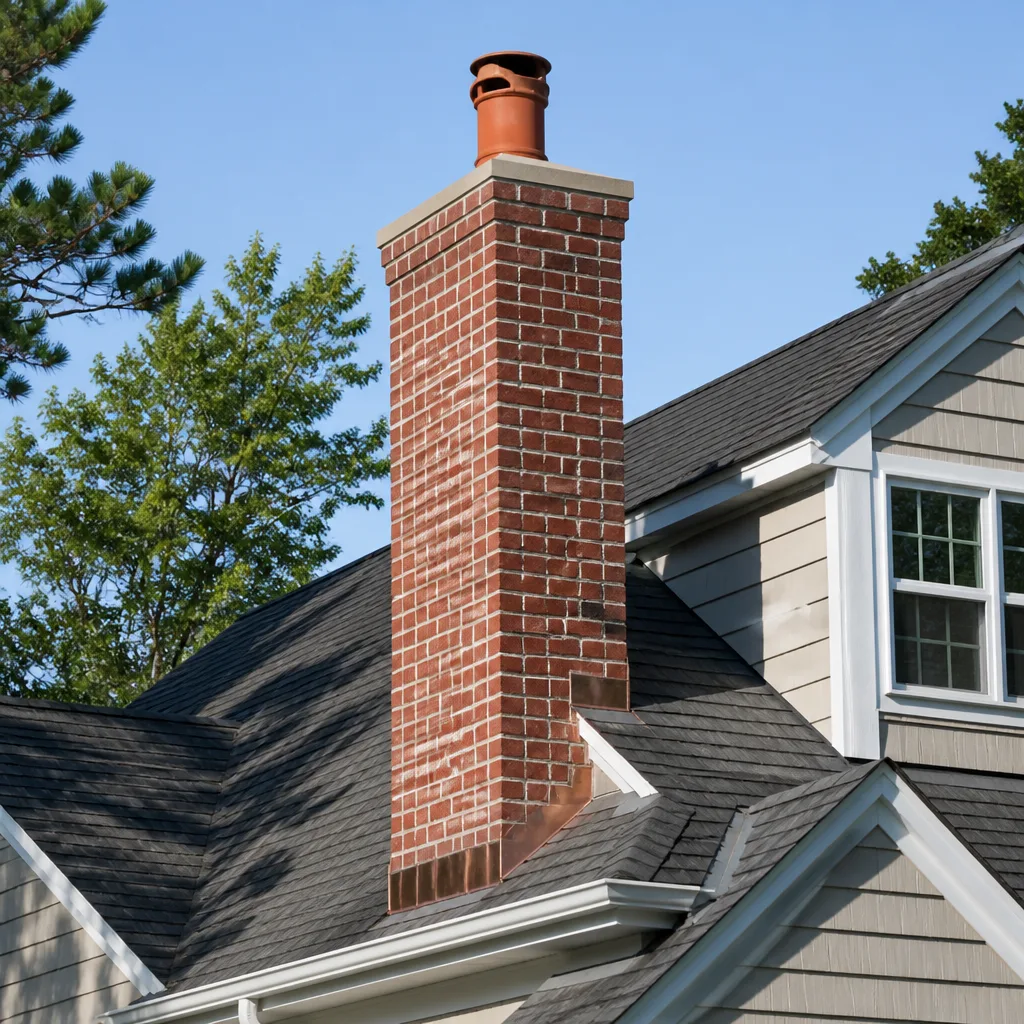 Masonry repair
 Gas fireplace service
Level 1 sweep and inspection to the NFPA 211 annual standard - flue, crown, cap, and flashing checked and photographed
Chimney sweep logs do not sweep chimneys. They loosen some creosote - which then falls where a brush and vacuum still have to collect it.
DIY vs Professional Chimney Cleaning: The Spring Branch Homeowner’s Decision Guide
Here’s the part of the chimney cleaning debate almost nobody says out loud: the soot you can reach is not the soot that starts fires. A homeowner with a stiff brush, a shop vacuum and an afternoon to spare can do real, useful work on the firebox floor and the lower flue. What that same homeowner can’t do is find a hairline crack in a clay liner tile, read the condition of a smoke chamber, or tell stage 2 creosote from a harmless glaze. Those are the conditions that matter. This guide draws a clear line around where DIY stops being safe and why the line sits where it does, with the local detail Spring Branch homeowners actually need.
Quick Answer
DIY chimney cleaning is reasonable only for light surface soot in the firebox and the first foot or two of flue, on a chimney you know is structurally sound. Anything past that – glaze-stage creosote, unknown liner condition, an older home with no service history, or any smoke or draft problem – belongs with a professional who has a rotary cleaning system and a camera. In Spring Branch, most homes fall on the professional side of that line simply because their chimneys have never been inspected.
Styles & brands we work with
- Sweep & inspection
- Caps & crowns
- Flue relining
- Masonry repair
- Gas fireplace service
Table of Contents
- What DIY Cleaning Actually Accomplishes
- What DIY Cleaning Cannot Do
- The Equipment Gap Nobody Talks About
- How a DIY Attempt Can Make the Next Professional Job Harder
- The Three Stages of Creosote and Where You Sit
- Liability and Insurance After a Self-Performed Cleaning
- The Decision Framework: Is Your Chimney a DIY Candidate?
- Why an Inspection Comes Before Any Cleaning Decision
What DIY Cleaning Actually Accomplishes
Be honest about the scope. DIY chimney work has a real, legitimate lane, and it’s narrower than most videos online suggest.
A homeowner can safely remove light, dry soot from the firebox floor, the grate, the firebrick faces, and the damper ledge. They can clear ash from the ash pit and vacuum the smoke shelf area with a shop vac fitted with a fine filter, provided the fire has been cold for at least a day. They can also visually check that the damper opens and closes smoothly, that the firebrick isn’t crumbling, and that no obvious debris has fallen onto the smoke shelf. That’s it. That’s the full extent of what a homeowner can safely and effectively do.
Here’s the important distinction: firebox maintenance is not chimney cleaning. They’re often used interchangeably, and that’s where the trouble starts. Cleaning the firebox is routine housekeeping. Cleaning the flue is a trade task. Assessing the flue is a diagnostic task. Three different jobs with three different tools, three different safety profiles, and three different levels of consequence if done wrong.
In our experience across Spring Branch, homeowners who do their own firebox upkeep tend to keep their fireplaces in noticeably better cosmetic shape. They notice cracks earlier, they empty ash more often, and they call for an inspection when something looks off. That habit is worth keeping. But the same homeowner who’s careful with a vacuum and a brush often assumes that same effort reaches the flue. It doesn’t.
So if you’re the kind of person who wants to handle the firebox, do it. But treat that as the low-risk, low-reach end of chimney care, and know that a proper chimney sweep reaches places your brush never will.
What DIY Cleaning Cannot Do
This is where the DIY debate usually falls apart. The limits aren’t about effort or courage. They’re about what’s physically visible from inside a firebox and what isn’t.
A homeowner looking up the flue with a flashlight sees the first few feet of the smoke chamber and maybe the damper throat. Past that, the flue turns, narrows, and darkens. The most common failure points in a residential chimney – a cracked clay tile, a separated mortar joint, a rusted steel liner section, a damaged smoke chamber parging – are all beyond the reach of a flashlight beam. You are inspecting a chimney with the only sensor you have, and it’s a weak one for this application.
Here’s what specifically cannot be assessed by a homeowner:
- Liner integrity – cracks, spalling, gaps at joints, or a shifted tile that lets combustion gases escape into the framing cavity.
- Creosote stage – stage 2 (glazed) and stage 3 (puffy, charcoal-like) creosote cannot be distinguished from harmless soot at a glance, and stage 2 won’t come off with a brush anyway.
- Smoke chamber condition – the sloped area above the damper is where turbulence deposits creosote and where corrosion hides.
- Draft performance – a chimney can pass a visual check and still underperform on draft, backdrafting smoke into the room.
- Obstruction – bird nests, leaf debris, or a collapsed tile sitting in the flue aren’t visible from below.
- Chase and crown condition – water intrusion at the crown is the most common cause of long-term flue damage, and it’s often invisible from the ground.
A professional-grade inspection using a fiber-optic camera catches every one of those items. Without that camera, the homeowner is making a safety decision about a component they cannot see. That’s the whole line, and it doesn’t move based on how careful you are.
The Equipment Gap Nobody Talks About
Consumer brushes and a flashlight are not a scaled-down version of professional tools. They’re a different category of equipment altogether. Understanding why matters, because it explains why the DIY limit sits where it does.
A professional rotary cleaning system uses a motorized whip or chain head on a flexible rod, spinning at controlled speed to knock down creosote deposits from all sides of the flue as it passes. It’s sized to the flue diameter, and it reaches the full height of the chimney. A consumer brush on a fiberglass rod does not spin, does not self-center, and only removes what it can scrape on the way up. On soft soot it does a decent job. On glazed creosote it does almost nothing, and it can polish the glaze into an even harder surface.
Then there’s the camera. A fiber-optic liner camera lets a technician see the interior of the flue in real time, record it, and share the photos or video with the homeowner. That’s not a nice-to-have. It’s the difference between “we think your liner is fine” and “here’s what your liner actually looks like.” When we recommend liner work in Spring Branch, it’s because the camera showed us something specific – not because a checklist said the chimney was a certain age.
Other tools a professional brings that a homeowner almost never has:
- A HEPA-rated vacuum running continuously to keep soot out of the living space.
- Drop cloths and containment to protect floors, furniture, and HVAC returns.
- A rotary head sized correctly for the flue, not a generic brush.
- Access to liner materials – DuraFlex for relining, HeatShield for resurfacing, and others – that simply aren’t sold to homeowners.
- The training to read what the camera shows and translate it into a recommendation.
When you hire us, you’re getting the tool chain, not just the sweep. That’s what you’re paying for, and it’s the reason a professional sweep reveals things a homeowner cleaning can’t.
How a DIY Attempt Can Make the Next Professional Job Harder
This is the part most guides skip, and it’s the point where DIY stops being neutral and starts being costly. A failed DIY cleaning doesn’t just leave the chimney dirty. It can change the physical condition of the deposits or the flue in ways that make subsequent work harder.
The clearest example is creosote. Stage 1 creosote is flaky and soft. A consumer brush will pull some of it down and leave some of it in place. But on stage 2 creosote – the glazed, tar-like layer – a spinning or scraping consumer brush can smooth and harden the surface. That makes it bond more tightly to the masonry and requires more aggressive rotary work later to break it loose. What would’ve been a routine sweep becomes a longer job with more tool time.
Beyond creosote, three other things happen:
- Soot redistributes into voids. Without a HEPA vacuum running, dislodged soot settles into the smoke chamber parging, the damper pocket, and sometimes the HVAC return. The next professional has to clean those areas carefully before beginning, which spreads the work.
- Disturbed deposits hide problems. A homeowner who’s brushed part of the flue can create a false visual impression – clean at the top, dirty below, or vice versa. The technician has to work from the camera only, because the visual field is no longer a reliable baseline.
- Loose debris migrates. A brushed tile that dislodges a chunk of creosote can send it down onto the smoke shelf, where it sits as an obstruction until the next inspection.
None of this is a reason to panic. It’s a reason to think of DIY as a one-way decision: once you’ve brushed the flue, you can’t un-brush it, and the next professional is working from a less reliable baseline. If you’re going to try, do it only on a chimney you know is clean and in good shape. If you’re not sure, that uncertainty is your answer – call first.
The Three Stages of Creosote and Where You Sit
Creosote is the byproduct of incomplete combustion, and it appears in three distinct physical forms. The stage matters more than the volume. A thin coating of stage 1 across a clean flue is less of a concern than a small patch of stage 3 hiding above the damper.
| Stage | What It Looks Like | How It Comes Off | Risk Level |
|---|---|---|---|
| Stage 1 | Flaky, dusty, dark gray to black soot | A standard brush or rotary sweep | Low, but should be cleaned routinely |
| Stage 2 | Glazed, tar-like, hard and shiny surface | Professional rotary work only; consumer brushes can harden it | Elevated – burns hotter than stage 1 |
| Stage 3 | Puffy, porous, charcoal-like, sometimes a few inches thick | Professional rotary cleaning, sometimes with chemical pretreatment | High – ignites readily and burns intensely |
In our experience working on Spring Branch chimneys, we see stage 1 most often on homes where the fireplace is used lightly through the cooler months – a fire on cold evenings, not a fire running all day. Stage 2 shows up on homes that burn more often, particularly where the wood isn’t well seasoned. Stage 3 is rarer, but it’s the one that turns into a chimney fire, and it’s the reason a routine sweep schedule matters more than a once-every-few-years clean.
A homeowner can’t reliably tell stage 1 from stage 2 from stage 3 without the camera and without the trained eye. That’s the point. It’s also why an inspection – not a cleaning – is the right first step if your chimney’s history is unknown.
Liability and Insurance After a Self-Performed Cleaning
We’re not insurance agents and we don’t give legal advice. But this is a question Spring Branch homeowners ask us often enough that it’s worth explaining how it usually works in Texas.
If a chimney fire follows a self-performed cleaning with no professional record on the property, a homeowner’s insurance claim can become complicated. Most homeowners policies cover accidental fire damage, including chimney fires, but the insurer will investigate cause and condition. A professional sweep record – even a single inspection report – establishes that the chimney was in known condition at a known date. Without one, the insurer has no baseline, and the burden shifts toward the homeowner to demonstrate that reasonable care was taken.
What a professional record looks like in practice:
- A dated inspection report with photos of the flue, smoke chamber, and firebox.
- A record of what was cleaned, what was found, and what (if anything) was recommended.
- Confirmation that the work was done by a trained technician with the correct equipment.
That record is what an adjuster typically wants to see. It’s also what tells you whether the chimney was safe to use in the first place, which is the more useful outcome. If a fire happens despite that record, at least there’s evidence the chimney was in good condition beforehand – that’s usually the difference between a smooth claim and a contested one.
This isn’t a scare tactic. Chimney fires are less common than they were a generation ago, and most homes never have one. But the point is: DIY cleaning doesn’t come with a record. If you’re going to clean your own flue, understand that you’re also choosing to skip the paper trail that would sit between you and your insurer if something went wrong. That’s a fair trade for some homeowners. It’s worth knowing you’re making it.
The Decision Framework: Is Your Chimney a DIY Candidate?
Here’s the practical test. Read both lists and see which one describes your situation. If anything on the second list is true, DIY isn’t the right call for you – not because you can’t handle a brush, but because the chimney needs a diagnosis before it needs a cleaning. Both lists are real: some Spring Branch chimneys are legitimately DIY candidates in the narrow sense, and others aren’t, and the difference has nothing to do with skill.
DIY is reasonable if all of these describe your chimney
- The firebox was professionally inspected in the last two years and the liner was confirmed sound.
- You burn dry, seasoned wood and the fire burns cleanly with minimal smoke at start-up.
- The interior of the firebox shows light gray soot, no glaze, and no tar-like coating.
- There’s no smoke spill into the room when you light a fire or when wind gusts hit the chimney.
- The chimney cap is intact and the crown isn’t visibly cracked from the ground.
- You’re cleaning the firebox only – not attempting to reach up the flue.
Professional cleaning and inspection is the right call if any of these is true
- The chimney’s service history is unknown (common in recently purchased homes).
- You’ve seen glaze, shiny tar, or puffy charcoal deposits anywhere in the flue.
- Smoke comes back into the room at start-up, on windy days, or when the fire is burning low.
- The home is older and the chimney has a clay tile or unlined mason flue.
- There’s a persistent smoky odor in the house, even when the fireplace isn’t in use.
- You’re preparing to use the fireplace for the first time in a season or more.
- Someone in the household has asthma or another respiratory condition and you want to know what’s actually in the flue.
If you land on the second list, the right first move is an inspection, not a cleaning. We inspect before we clean, and we recommend based on what the camera shows – not a checklist. That’s the whole point of the diagnosis-driven model.
Why an Inspection Comes Before Any Cleaning Decision
A chimney inspection isn’t a sales call. It’s a look at the whole system – firebox, damper, smoke chamber, flue, cap, crown – with a camera and a trained eye, followed by a report you can read and photos you can see. That report is what tells you whether the chimney is a DIY candidate at all.
In Spring Branch, the reason we lead with inspection has less to do with our process and more to do with what the housing stock looks like. Many homes here were built decades ago and have fireplaces that have seen multiple owners, several remodels, and no documented service history. When we inspect those chimneys, we’re often documenting them for the first time. That’s not a sales tactic. It’s the starting point.
Our inspection approach is straightforward:
- We photograph the firebox, damper, and visible smoke chamber before any cleaning.
- We run a liner camera down the full height of the flue and record what we find.
- We look at the cap and crown from the roofline and note any water intrusion points.
- We write up what we saw, what it means, and what (if anything) needs doing – and we say clearly when something can wait.
If the inspection says the chimney is clean and sound, we tell you so and you’re done. That’s the whole point of an inspection-first model: it’s diagnosis before recommendation. Your inspection drives the work, not a checklist.
Once we’re past inspection, the sequence usually runs: sweep first, then repair only what the camera showed. If the flue needs resurfacing, we use HeatShield, which restores damaged flue interiors without demolition. If a full reline is needed, we use DuraFlex flexible liner systems. If the cap or crown is damaged, we install replacements from brands like Gelco, Olympia Chimney, or Famco, sized to the actual chimney. Every one of those is a step further into the chimney lifecycle than a homeowner sweep can reach – and every one is something we handle under one roof. If you also need fireplace repair for the firebox or damper itself, that’s the same company, not a separate contractor.
Common Mistakes to Avoid
- Cleaning a warm chimney. Soot and creosote redistribute through the house when the flue is warm, and the vacuum can’t keep up. Wait at least 24 hours after the last fire, longer in humid Spring Branch weather when embers linger.
- Assuming “no visible soot” means “no creosote.” Stage 2 and stage 3 creosote can sit above the damper where a flashlight never reaches. A clean-looking firebox tells you nothing about the flue.
- Using a hardware-store brush on a glazed flue. That combination can polish the glaze and bond it tighter to the tile, which makes the next professional job more involved, not less.
- Skipping the cap during the cleaning. A missing or damaged cap lets rain, birds, and leaf debris into the flue between cleanings, which is one of the most common reasons a Spring Branch chimney needs re-swept sooner than expected. Our chimney cap & crown service exists for exactly this reason.
- Cleaning once and assuming you’re done for years. Cleaning intervals depend on burn frequency, wood quality, and chimney design – not a fixed calendar. A homeowner who burns daily needs a different schedule than one who lights a fire a dozen times a season.
- Not documenting the condition before cleaning. A dated photo set from before and after a sweep is what an insurer or a future buyer wants to see. Without it, you’re relying on memory.
- Treating a crack in the firebox as cosmetic. Cracks can allow heat and gases past the firebrick into the masonry, and the fix is a repair, not a brush-and-vacuum.
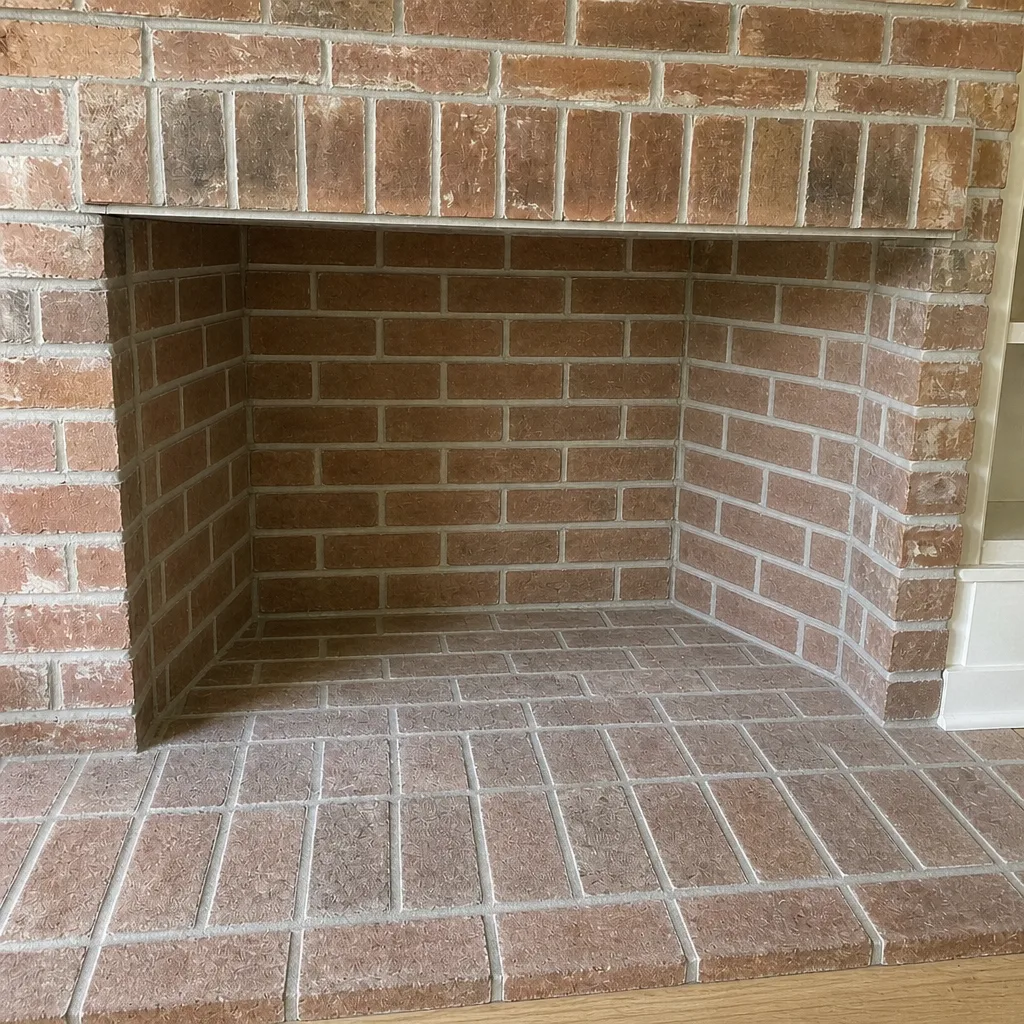
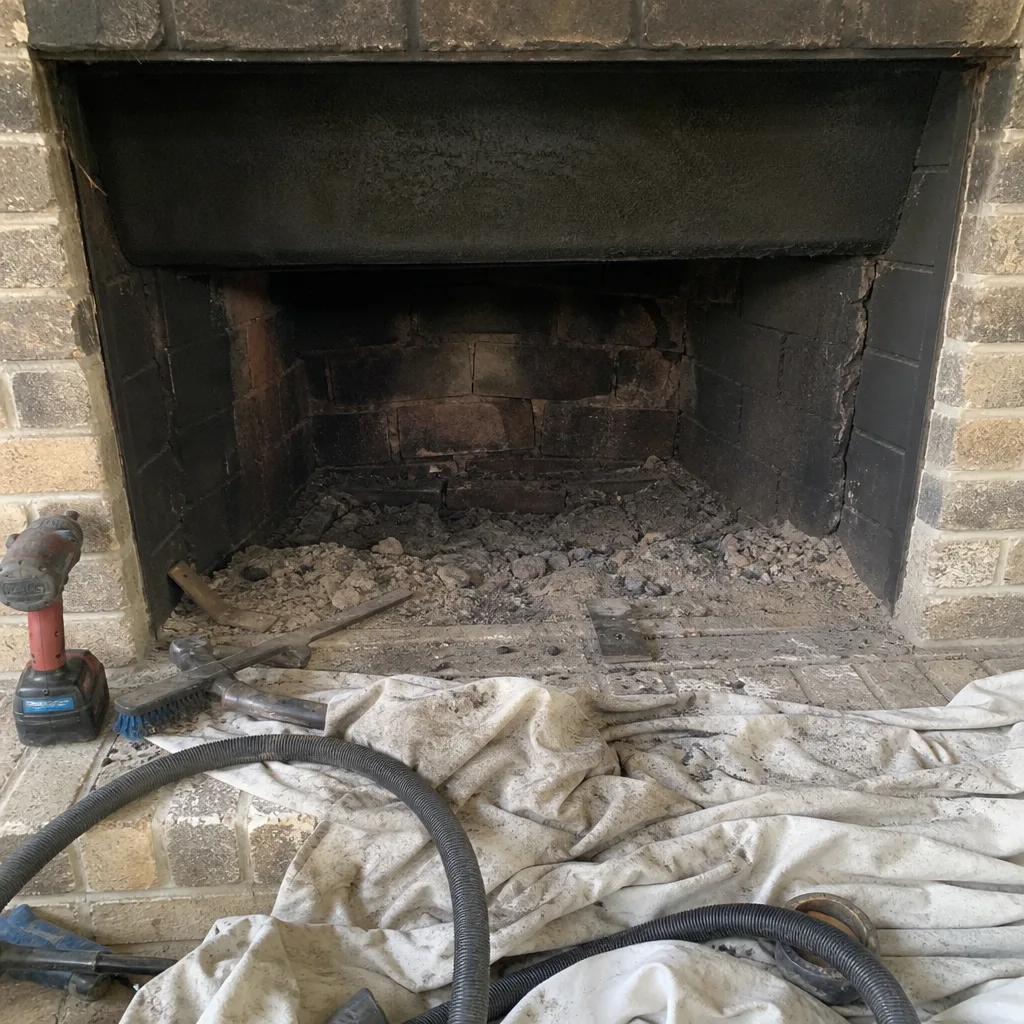
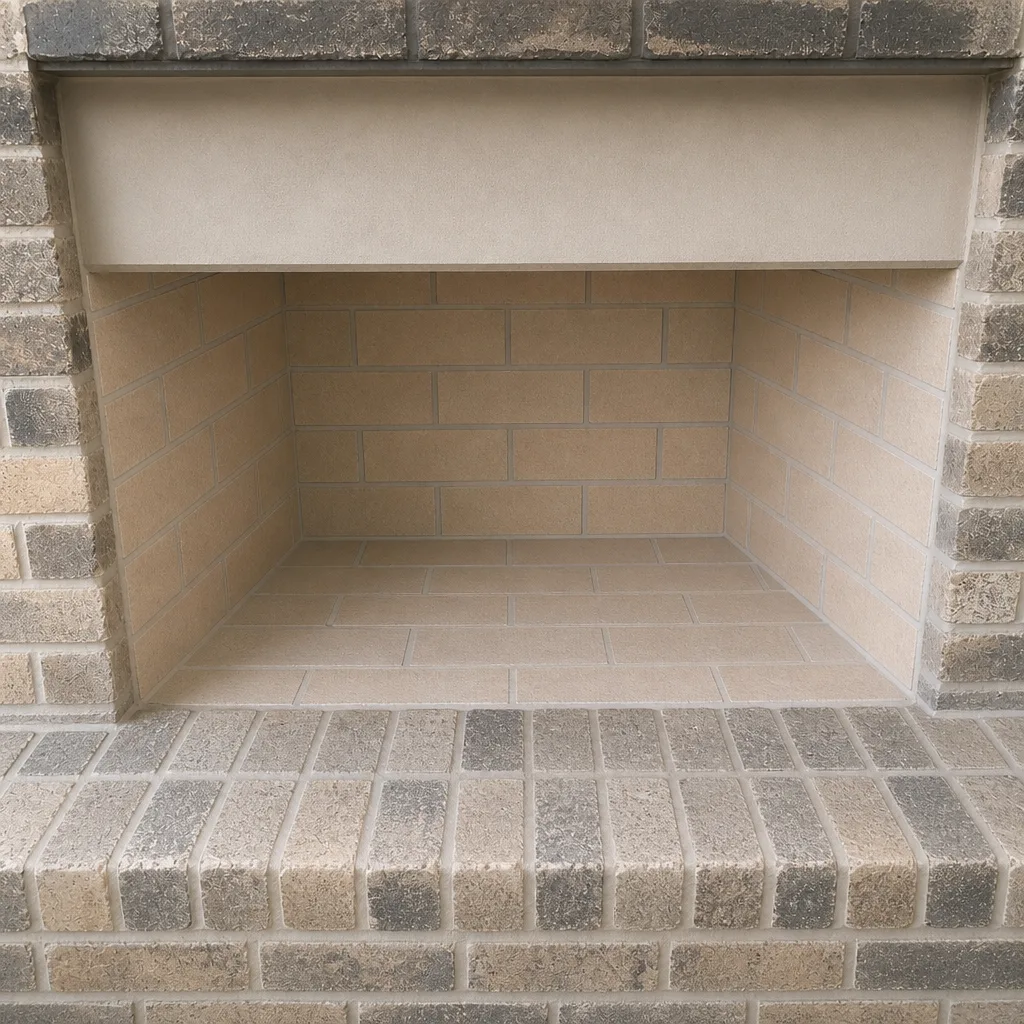
See the difference
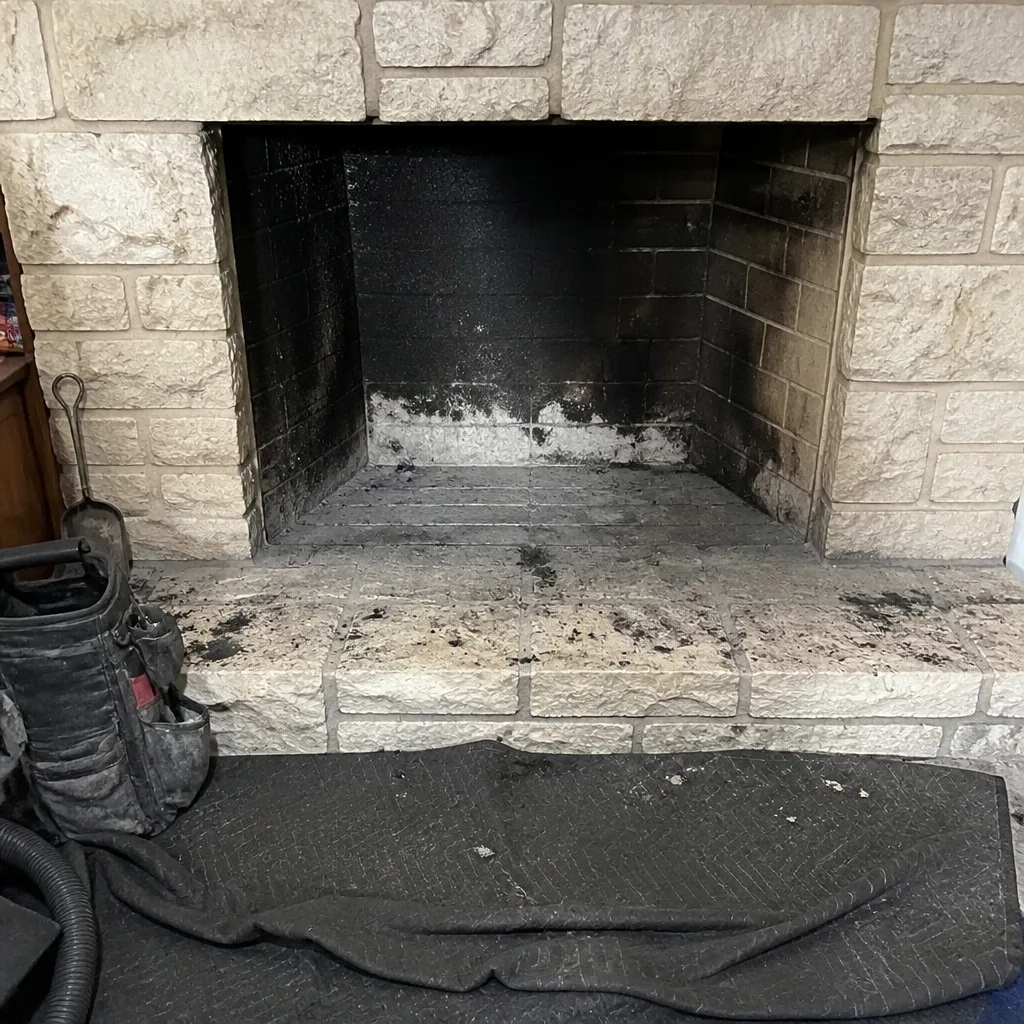 Before
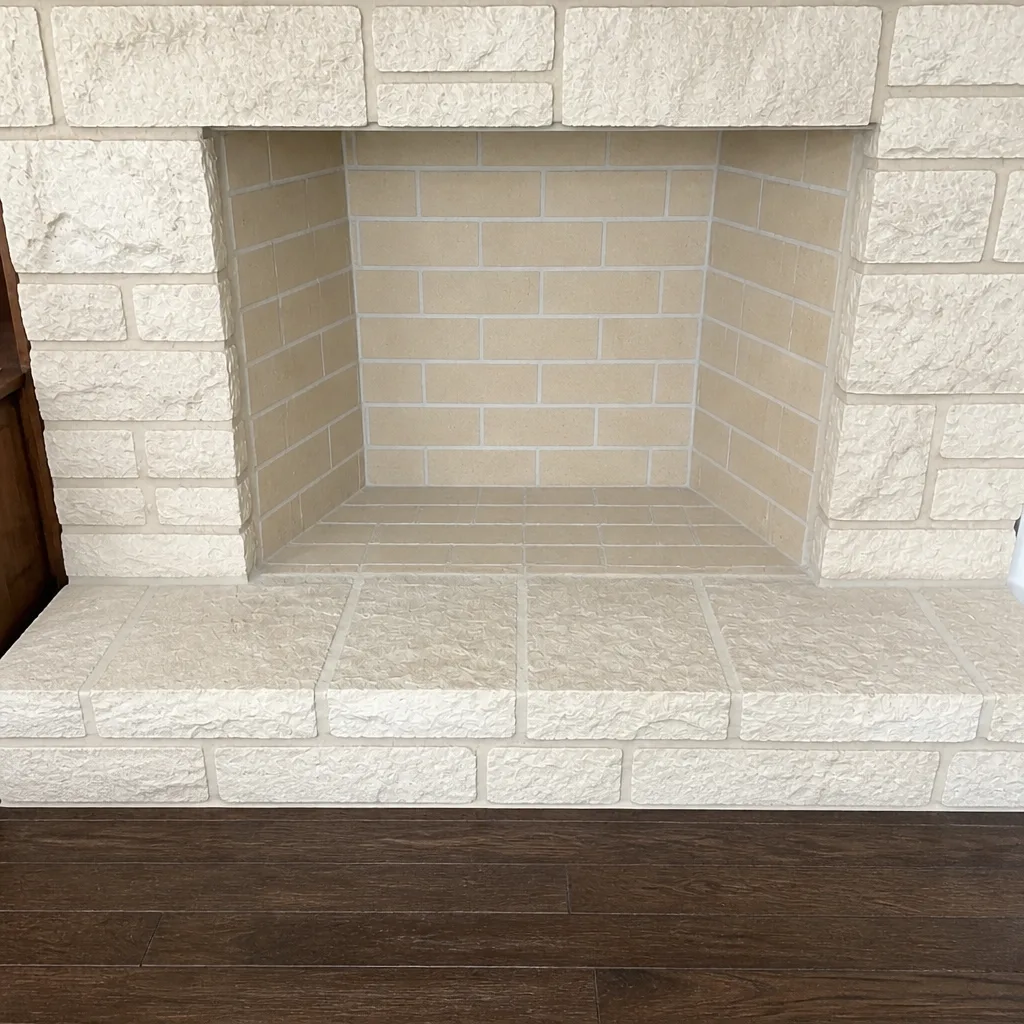 After
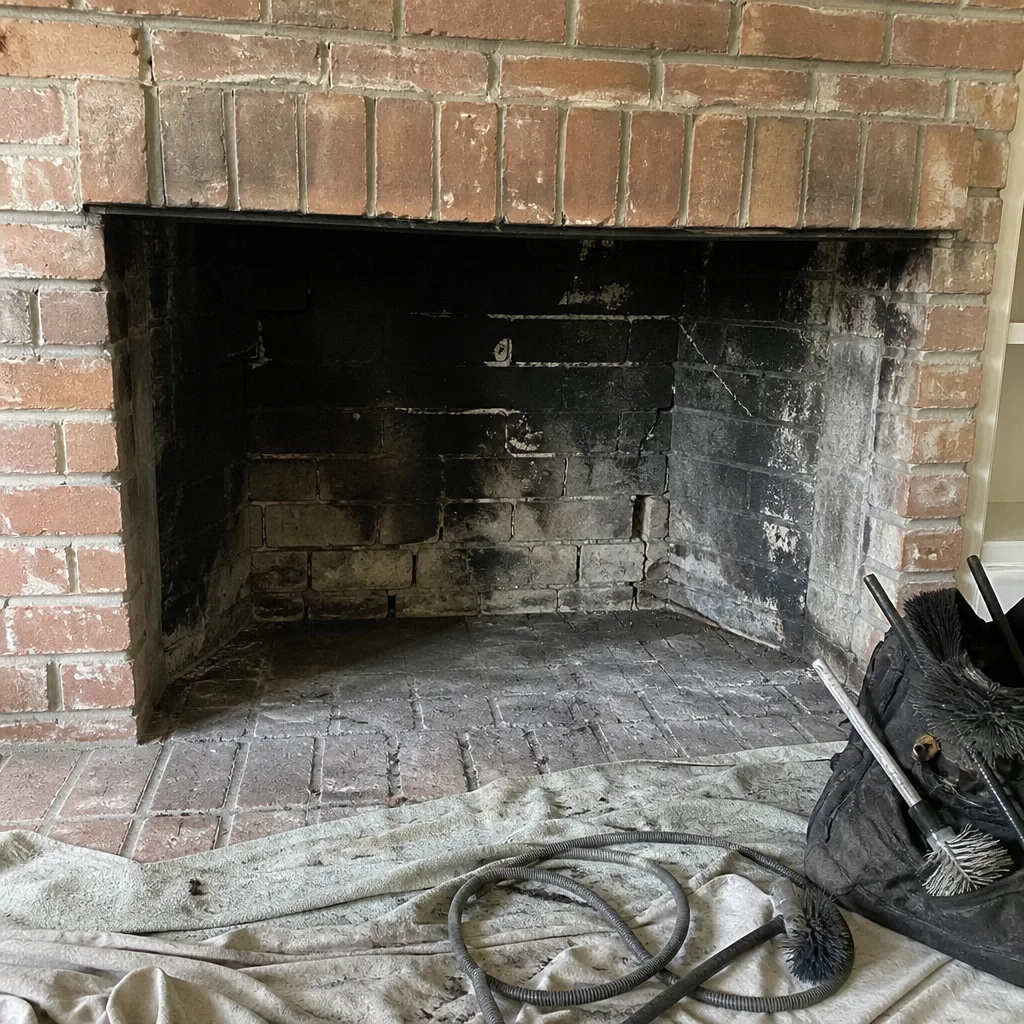 Before
 After
 Before
 After
When to Call a Professional
Call a professional if any of these is true: you don’t know when the chimney was last inspected, you’ve seen glaze or tar in the flue, smoke comes into the room, the home is older and the liner type is uncertain, or you’re about to use the fireplace for the first time in a season. The right first appointment is an inspection, not a cleaning. That inspection tells you whether you’re a DIY candidate at all, and it gives you photos you can see for yourself. Chimney Sweep Spring Branch offers free estimates in Spring Branch – call (833) 482-6711. We answer 24/7. Fast dispatch from 7am to 7pm, Sunday through Friday. Our technicians have up to 14 years of experience, and every recommendation comes from the camera, not from a checklist.
Frequently Asked Questions
You can safely clean light soot from the firebox and the first foot or two of flue on a chimney that’s been professionally inspected within the last two years and confirmed sound. You cannot safely assess the liner, stage 2 creosote, or the smoke chamber without a camera, and those are the conditions that matter for fire safety. If you’re not sure of your chimney’s history, an inspection comes first. Call (833) 482-6711 for a free estimate – estimates are free.
A chimney sweep typically runs in the range of $150 to $350 for a standard residential flue cleaning, and an inspection is often bundled with the sweep. Final pricing is set per job by a written estimate after we’ve seen the chimney, so you’ll know the number before we book. Call (833) 482-6711 for an exact quote – estimates are free.
You need a new liner only if the camera shows a defect that a sweep can’t fix – a cracked tile, a separated joint, or a rusted steel section. If your liner is sound, we won’t recommend one. We share the camera footage so you can see what we saw, and we say plainly when a repair can wait. Call (833) 482-6711 and we’ll walk you through what the inspection found.
A chimney used regularly through the cooler months usually needs a sweep once a year, and a chimney used only occasionally can go longer between sweeps. The right interval depends on burn frequency, wood quality, and chimney design, so the answer is always “based on how you use it,” not a fixed calendar. Call (833) 482-6711 and we’ll set up an inspection to establish a baseline.
Skipping the sweep lets creosote build up, and stage 2 or stage 3 creosote is the fuel a chimney fire needs. Carbon monoxide can also back up into the home if the flue is obstructed or the liner has failed, which is the quieter risk. Neither outcome is common, and neither is worth testing. Call (833) 482-6711 to book an inspection – estimates are free.
A DIY cleaning doesn’t void a policy outright, but it leaves no professional record of the chimney’s condition beforehand – and that record is what an adjuster usually wants to see if a fire happens later. A single dated inspection report gives you that baseline. We can provide one. Call (833) 482-6711 for a free estimate and we’ll schedule an inspection.
The Bottom Line
DIY chimney cleaning has a real, narrow place: light soot in the firebox, on a chimney you know is sound. Past that, the limits aren’t about effort or nerve – they’re about what you can see and what you can’t. The camera sees a cracked liner and stage 2 creosote. A flashlight doesn’t. In Spring Branch, most chimneys fall on the professional side of that line because their service history is unknown, and the right first step is an inspection, not a cleaning. If the inspection says you’re a DIY candidate, we’ll tell you so. If it doesn’t, we’ll show you why.
Our five core services – Chimney Sweep Spring Branch, chimney inspection, cap and crown installation, fireplace repair, and chimney repair – cover the full lifecycle of a residential chimney. We carry and install DuraFlex, HeatShield, Gelco, Olympia Chimney, Famco, and Copperfield so the material that goes back into your flue is the same professional grade a specialist would use on a rebuild. We diagnose before we recommend. Every estimate is free and every price is set per job by a written estimate.
Ready to know what’s actually in your flue? Call (833) 482-6711. We answer 24/7. Fast dispatch from 7am to 7pm, Sunday through Friday. Or book an inspection and we’ll bring the camera.
Written by the team at Chimney Sweep Spring Branch.