
Last updated November 24, 2026
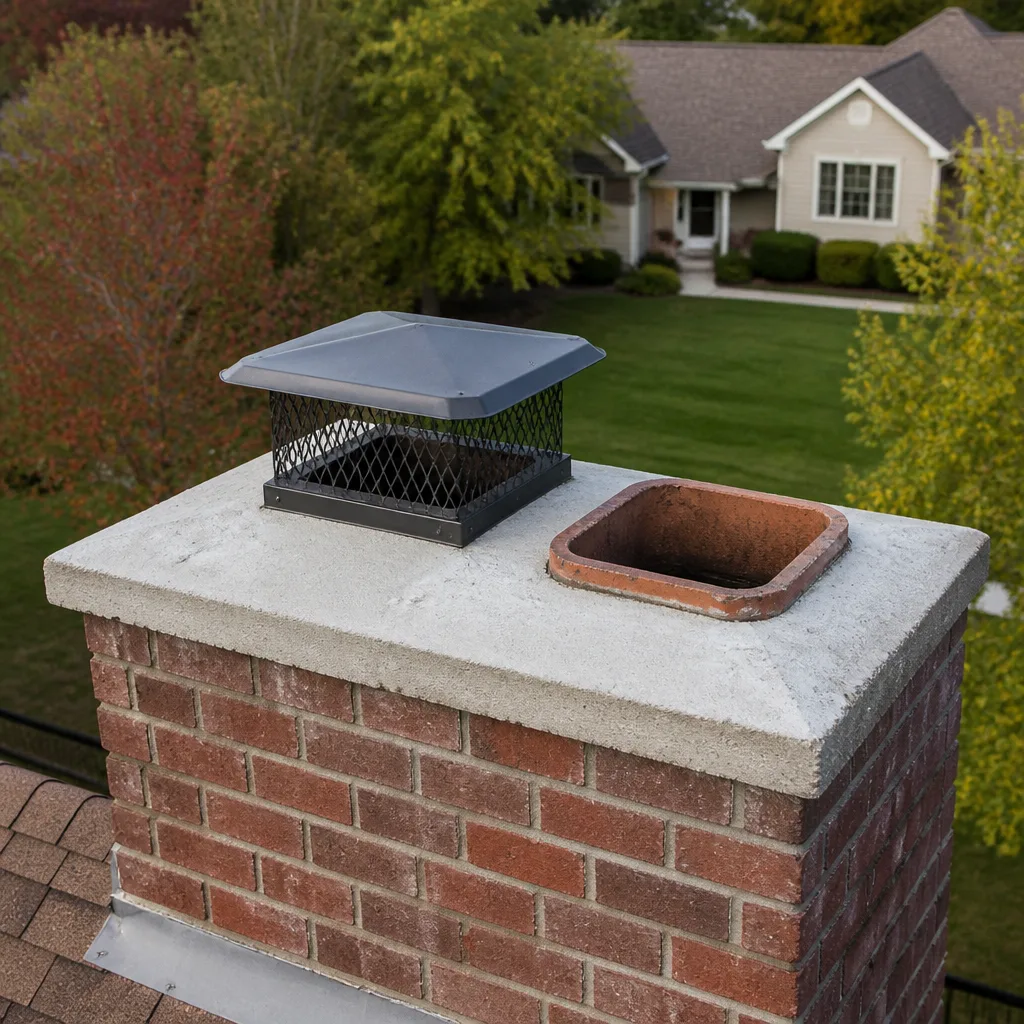 Sweep & inspection
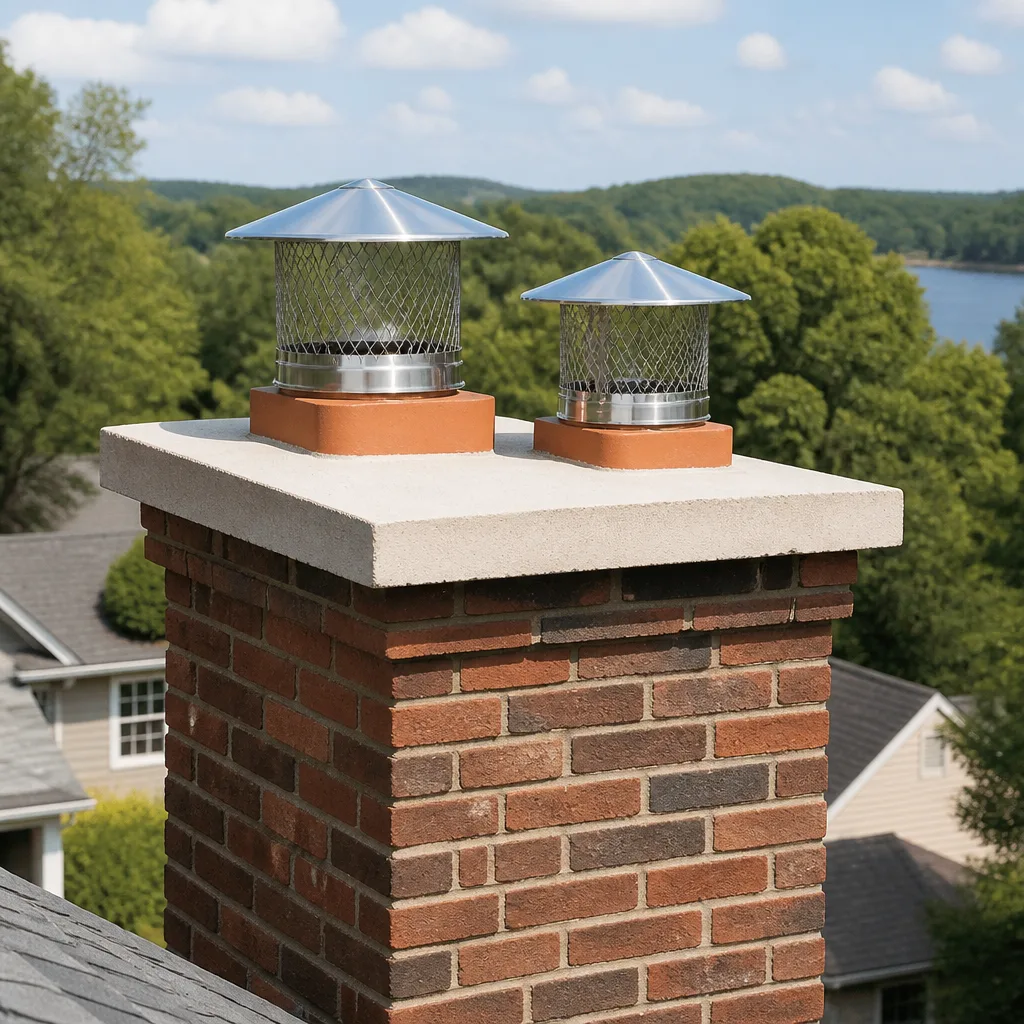 Caps & crowns
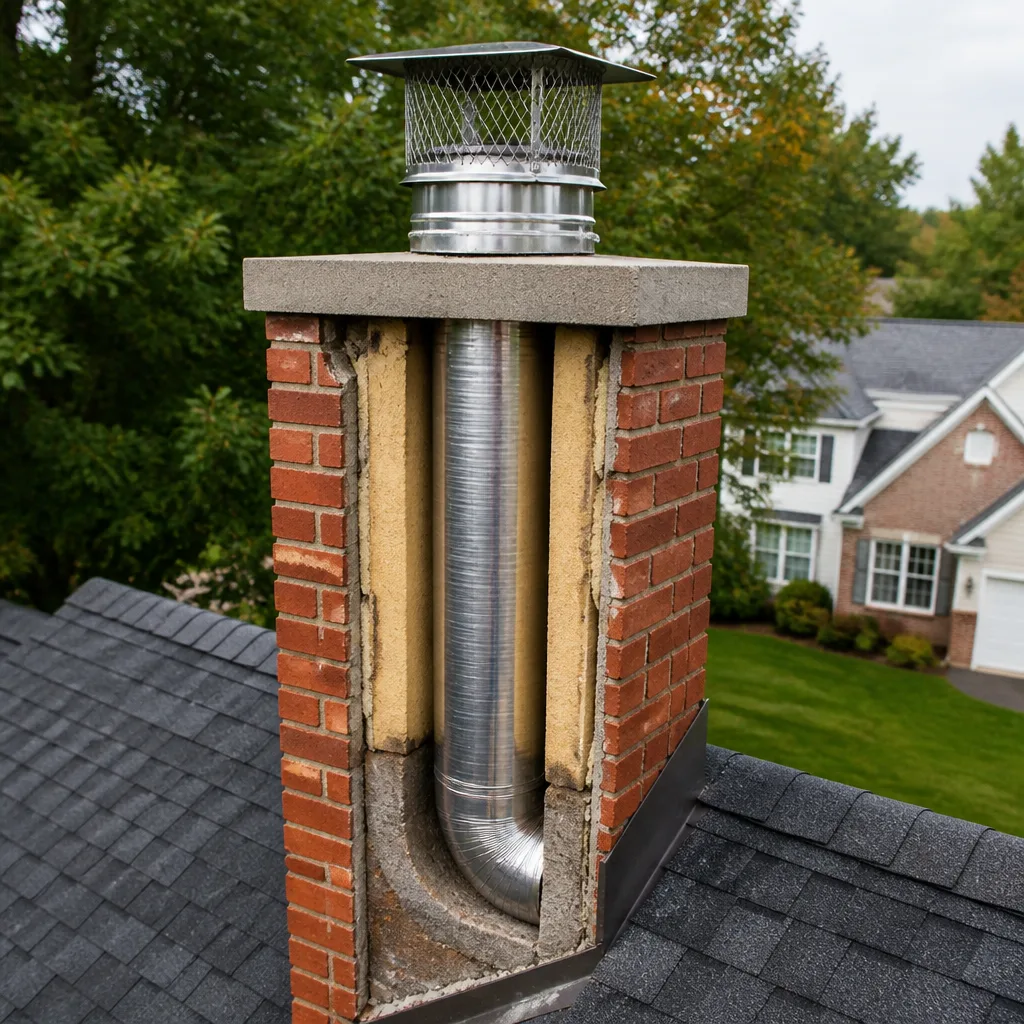 Flue relining
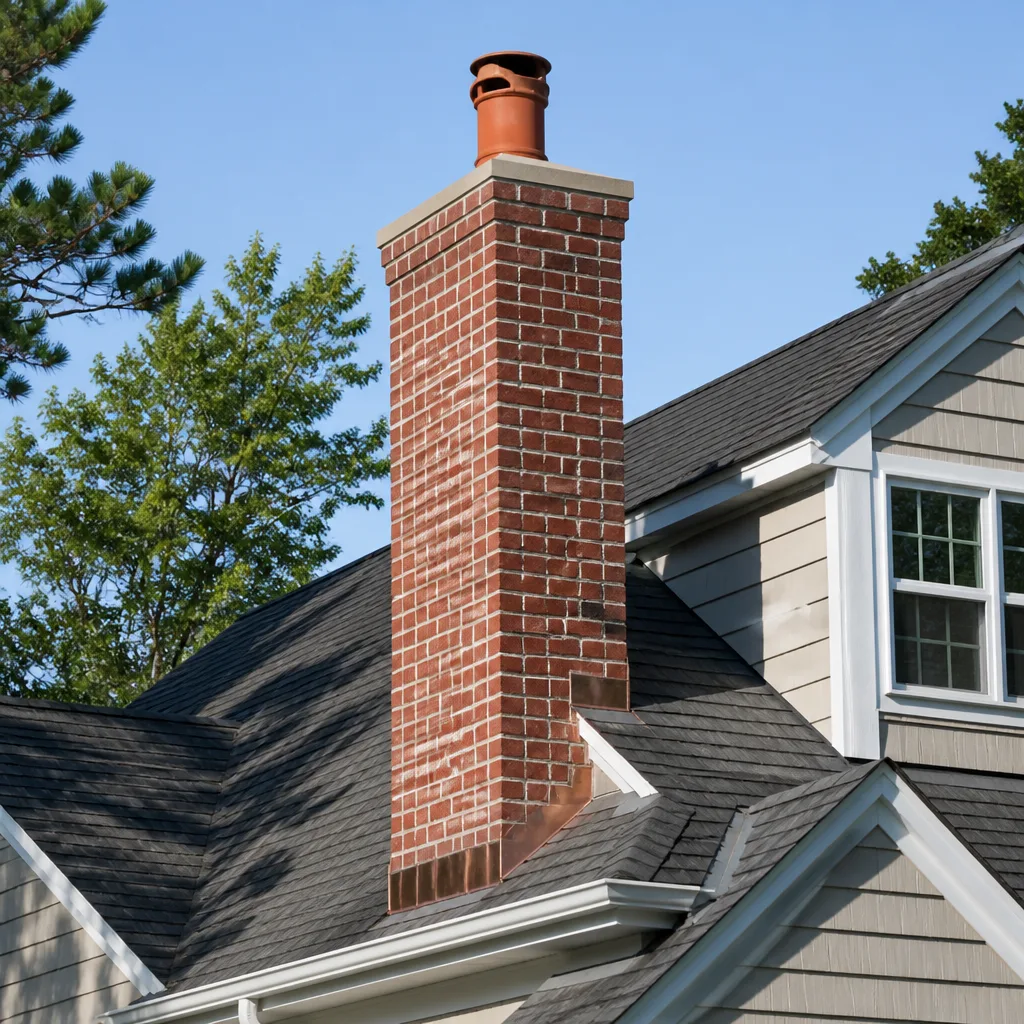 Masonry repair
 Gas fireplace service
Level 1 sweep and inspection to the NFPA 211 annual standard - flue, crown, cap, and flashing checked and photographed
Chimney sweep logs do not sweep chimneys. They loosen some creosote - which then falls where a brush and vacuum still have to collect it.
Chimney Cleaning Emergency Preparedness Guide for Spring Branch Homes
Smoke backing into a living room is the moment most homeowners realize they don’t actually know what’s happening inside their chimney. Is the flue blocked? Is there a chimney fire burning quietly above the damper? Or is the house itself depressurized and pulling exhaust the wrong way? Each of those problems has a different correct first response, and hesitating on the wrong one is where real damage starts. In our experience, the households that come through a chimney scare with the least trouble are the ones who thought about it before it happened. This guide lays out the three failure scenarios that need immediate action, the ones that can safely wait for a scheduled appointment, and how Spring Branch homeowners can prepare their chimney before the first cold snap of the season.
Quick Answer
A chimney emergency is any situation where fire, smoke, or carbon monoxide is entering your living space, or where the flue is open to the weather and actively taking on water. A chimney fire, a puffing smoky backup, or a CO alarm that traces to your fireplace all warrant stopping the fire, evacuating, and calling for help. A cracked crown, a loose cap, or a small crack found after a storm is not an emergency – photograph it, cover the firebox, and book an inspection. The single most effective emergency preparation step is a pre-season professional inspection, which catches most of these problems when they’re still cheap to fix. Call (833) 482-6711 to book a Spring Branch inspection. We answer 24/7. Fast dispatch from 7am to 7pm, Sunday through Friday.
Styles & brands we work with
- Sweep & inspection
- Caps & crowns
- Flue relining
- Masonry repair
- Gas fireplace service
Table of Contents
- The Three Emergency Scenarios and How to Tell Them Apart
- Scenario One: You Think It’s a Chimney Fire
- Scenario Two: Carbon Monoxide and Backdraft
- Scenario Three: Storm Damage and What Actually Counts as Urgent
- What to Have Ready When You Call
- Why Pre-Season Inspection Is Your Best Preparedness Step
- Spring Branch Chimney Conditions and What They Mean for You
- What Happens After the Emergency Is Over
The Three Emergency Scenarios and How to Tell Them Apart
Most chimney distress in Spring Branch falls into one of three buckets, and telling them apart is the whole point of being prepared. The distinctions matter because the correct first action is different for each one.
- A chimney fire. Characterized by a low roaring sound, a hot smell, puffs of smoke or creosote flakes coming from the top of the chimney, or a stovepipe that glows faintly. This is a fire inside the flue. Stop the fire, get everyone outside, call 911.
- A carbon monoxide or backdraft event. No visible fire, but the CO alarm sounds, or smoke rolls into the room without a fire behind it. This points to a blocked or undersized flue, a closed damper, or a pressure problem pulling exhaust in the wrong direction. Get outside, ventilate, and treat the CO alarm as a medical event.
- Storm or structural damage. A dislodged cap, a fallen length of flue tile, water running down the firebox, or a crack you can see in the masonry. Most of these can wait for a scheduled appointment, but a few need action within the day.
Being able to name which one you’re facing, even roughly, changes how fast you act and how well you brief the person on the other end of the phone. In Spring Branch, we’ve found that households who run through these distinctions once in the fall react much more decisively when something actually happens.
Scenario One: You Think It’s a Chimney Fire
A chimney fire can be loud and obvious or so quiet you don’t notice it from inside the room. The quiet ones are the reason the sequence below matters. Here’s what a chimney fire usually sounds, smells, and looks like from inside a Spring Branch home.
- A low rumble or roaring that seems to come from above the firebox, like a distant freight train.
- An intense, hot smell – sometimes sharp and acrid, sometimes a burnt chemical edge from glazed creosote igniting.
- Puffs of dark smoke escaping the damper seam or the top of the chimney, or flecks of black creosote landing on the roof.
- A stovepipe or connector that feels hot to the touch from half a foot away, or occasionally glows at a joint.
If those signs are present, follow these steps in order:
- Close the firebox doors or the glass doors if you have them, and shut the damper if the fire is behind it. Cutting off air starves the fire.
- Get every person and pet outside. Do this before anything else – property can be replaced.
- Call 911 from outside. A chimney fire can spread into the framing without showing flames in the room.
- Once the fire department has confirmed the fire is out, do not light another fire until a professional inspection has confirmed the flue, liner, and masonry are intact. This is not optional.
A chimney fire weakens the liner and can crack flue tile in ways you cannot see from the firebox. If the lining is damaged, a DuraFlex flexible liner or a HeatShield resurfacing application may be the correct fix rather than a full rebuild – but only a proper inspection can tell you which. Call (833) 482-6711 to book that inspection after any chimney fire. We answer 24/7. Fast dispatch from 7am to 7pm, Sunday through Friday.
Scenario Two: Carbon Monoxide and Backdraft
Carbon monoxide is the emergency homeowners most often confuse with something else. It is not a chimney fire, and it is not the same as smoke in the room. Knowing the difference matters because the correct response to a CO alarm starts with evacuation, not with checking the firebox.
Carbon monoxide is colorless and odorless. You cannot smell it. The only reliable warning is a working CO alarm, which is why we tell Spring Branch homeowners to test theirs at the start of every heating season. A CO problem that traces to your fireplace is a chimney problem. A CO problem that sets off the alarm when the fireplace and water heater are both off is more likely an HVAC or appliance issue, and that call goes to a gas appliance technician, not to us.
Backdraft is the visible cousin of CO. Smoke rolls out of the fireplace into the room instead of going up the flue, usually because the house is pulling harder than the chimney can. Common causes in Spring Branch:
- A damper that isn’t fully open, or a flue that’s partially blocked by soot or a bird nest.
- A flue that’s too short or too cold to draw at startup, especially on a mild morning.
- Exhaust fans – kitchen or bath – depressurizing the house and pulling the chimney backward.
- A blocked or corroded cap that stops air from moving through the top.
The correct first response to a sounding CO alarm is: get everyone outside, call 911 or your gas utility’s emergency line, and do not re-enter until you’re cleared. The correct first response to smoke backing up without a fire is: open a window near the fireplace to relieve the pressure, make sure the damper is open, and let the fire die down. Then book an inspection. Call (833) 482-6711 if you need one in Spring Branch. We answer 24/7. Fast dispatch from 7am to 7pm, Sunday through Friday.
Scenario Three: Storm Damage and What Actually Counts as Urgent
Spring Branch gets its share of strong storms, and the morning after usually brings a call or two about something that moved, cracked, or fell. Sorting storm damage into “call today” and “call this week” keeps you from overpaying for urgency you don’t need – and from waiting on something that’s actively getting worse.
Call today
- The cap is off or hanging. An open flue is a rain funnel. Water pouring into the firebox and down the smoke chamber causes real damage fast, and a loose cap can fall onto the roof.
- A visible crack in the chimney exterior with water coming through. The masonry needs to be covered or stabilized before the next rain.
- Fallen brick, tile, or mortar in the firebox. Do not light a fire. Something above the damper has failed and could fall further.
Document and schedule
- A small crack in the crown or wash on top. Photograph it and book a chimney cap & crown appointment within the next couple of weeks.
- Minor discoloration around the cap. Rust streaks alone rarely mean the system failed. Get it looked at on your next scheduled sweep.
- A fallen limb resting on the roof near the chimney. Have it removed safely, then book an inspection to check the flashing and crown.
Photograph everything before you touch it. A clear before picture is the fastest way for an inspector to tell whether damage is new or was already there. Call (833) 482-6711 if you’re unsure which pile your problem belongs to. We answer 24/7. Fast dispatch from 7am to 7pm, Sunday through Friday.
What to Have Ready When You Call
The details you give on the phone determine whether the first technician arrives prepared or has to come back. In our experience, a homeowner who reads off five facts saves an entire second trip. Have these ready:
- What you see, smell, and hear. “Smoke is coming into the room,” “I hear a low roar,” “I smell something hot” – specific words matter more than general ones.
- Whether the fire is still burning. If yes, whether the damper is open or closed and whether the doors are shut.
- Whether the CO alarm sounded. If it did, whether everyone is out of the house and whether 911 has been called.
- What kind of chimney and fireplace you have. Masonry with a clay tile liner, factory-built metal, or an insert. If you don’t know, say so – we’ll figure it out.
- The last time the chimney was swept. If it’s been years, or you don’t know, tell us. It changes what we expect to find.
Also have your address ready, the best number to reach you, and whether there’s a gate or a dog. Small logistics matter when someone is heading your way in Spring Branch. If you’re not sure whether your situation is urgent, describe it plainly and we’ll tell you honestly. Call (833) 482-6711. We answer 24/7. Fast dispatch from 7am to 7pm, Sunday through Friday.
Why Pre-Season Inspection Is Your Best Preparedness Step
The most effective emergency plan is one that keeps the emergency from happening. A pre-season inspection is not an upsell; it’s the cheapest way to find the problems that become emergencies when the weather turns. We diagnose before we recommend – your inspection drives the work, not a checklist. Here’s what a proper inspection covers, and why it catches the exact failure modes described earlier in this guide.
- The firebox and smoke chamber. Cracks and gaps here let smoke and CO leak around the damper before they ever reach the flue.
- The liner. A cracked or deteriorated liner is the most common cause of a CO problem. We can tell you whether the fix is a resurfacing application like HeatShield or a full reline with a DuraFlex flexible liner.
- Creosote accumulation. Glazed creosote is what fuels a chimney fire. A sweep removes it before it can.
- The cap and crown. A cracked crown or a loose cap invites water, birds, and debris into the flue.
- The exterior masonry. Spalling brick and failing mortar joints start small and get expensive.
Book the inspection before the first cold week, and you have time to fix what it finds without scrambling. In Spring Branch, the right window is the mild stretch in early fall, when both the weather and the calendar leave room for a thorough look. Call (833) 482-6711 to book. We answer 24/7. Fast dispatch from 7am to 7pm, Sunday through Friday.
Spring Branch Chimney Conditions and What They Mean for You
A chimney guide written for one climate doesn’t fit another. Spring Branch winters are mild, which is good news for masonry – no deep freeze to crack the exterior apart every year – but it also creates a habit that quietly leads to some of the worst chimney fires we see. Mild winters mean many homes burn less often, which means creosote has more time to cure into a hard, glazed layer between fires. Glazed creosote is the fuel that turns a small ignition into a chimney fire.
Two more local realities shape how Spring Branch homeowners should prepare:
- Humidity and summer storms. Warm, humid air and the occasional heavy rain push moisture against brick, mortar, and the crown. Small cracks in the crown open up over a season, and once water is getting in, the damage grows faster than most people expect. That’s why a durable, correctly fitted cap and crown matters more here than in a drier climate.
- Older housing stock. Spring Branch has plenty of established neighborhoods where the fireplace has seen many seasons of use and probably at least one untrained modification. A new homeowner who inherited an older fireplace should always start with an inspection before the first fire, not after.
Mild climate or not, the rules of chimney safety don’t change. A clean flue, an intact liner, and a capped system are the three conditions that prevent almost every chimney emergency. Call (833) 482-6711 for a free estimate in Spring Branch. We answer 24/7. Fast dispatch from 7am to 7pm, Sunday through Friday.
What Happens After the Emergency Is Over
Once the fire department has cleared the scene and everyone is safe, the real work of sorting things out begins. The order matters. Here’s the sequence we follow after an event in a Spring Branch home:
- A full inspection first, before any work is quoted. A camera inspection and a written report comes first, so you can see the evidence yourself and understand what actually failed.
- A clear diagnosis of the cause. If the event was a chimney fire, the cause was almost always creosote buildup plus a hot fire. If it was a backdraft, the cause was a blocked flue, a cold flue, or house depressurization. If it was CO, the cause was a damaged liner, a blocked flue, or a venting problem.
- A repair plan in order of priority. Sometimes the liner needs replacing with a DuraFlex system. Sometimes it can be resurfaced with HeatShield. Sometimes the fix is a new cap and a repointed crown. We tell you which fixes can safely wait and which cannot.
- A maintenance schedule to prevent a repeat. Once the system is sound, an annual sweep and inspection keeps it that way.
You should never be told you need thousands of dollars of liner or masonry work without seeing evidence for it. A camera inspection and a photo report is how we work, and it’s how you should expect any chimney professional to work. Call (833) 482-6711 after a chimney event. We answer 24/7. Fast dispatch from 7am to 7pm, Sunday through Friday.
Common Mistakes to Avoid
- Assuming a quiet chimney fire is no fire. The quiet ones are the ones that do the most structural damage, because nobody calls the fire department until the framing is already smoldering. If you smell something hot and hear a low roar, treat it as a fire.
- Relighting the fire the next day. After a chimney fire or any smoke event, the flue must be inspected before it is used again. Spring Branch homeowners who skip this step risk a second, worse fire in the same season.
- Confusing CO with smoke and opening the wrong window. A CO alarm means the whole house needs to be evacuated, not just the room near the fireplace. Smoke backing up with no fire is a different situation; treat it differently.
- Trying to fix a loose cap or cracked crown yourself on a roof. Roof work is where most chimney-related injuries happen. Have it looked at by a trained professional.
- Waiting out storm damage with water running down the firebox. An open flue taking on water will damage the smoke chamber and masonry within days. Cover it and call as soon as you notice.
- Skipping the pre-season inspection because “it worked fine last year.” Creosote and liner cracks don’t announce themselves. The seasons when nothing went wrong are usually the ones where damage quietly accumulated.
- Scheduling a sweep only, on a chimney that needs a full inspection. A sweep cleans the flue. An inspection tells you whether the flue is safe. After a scare or a storm, you want both.
See the difference
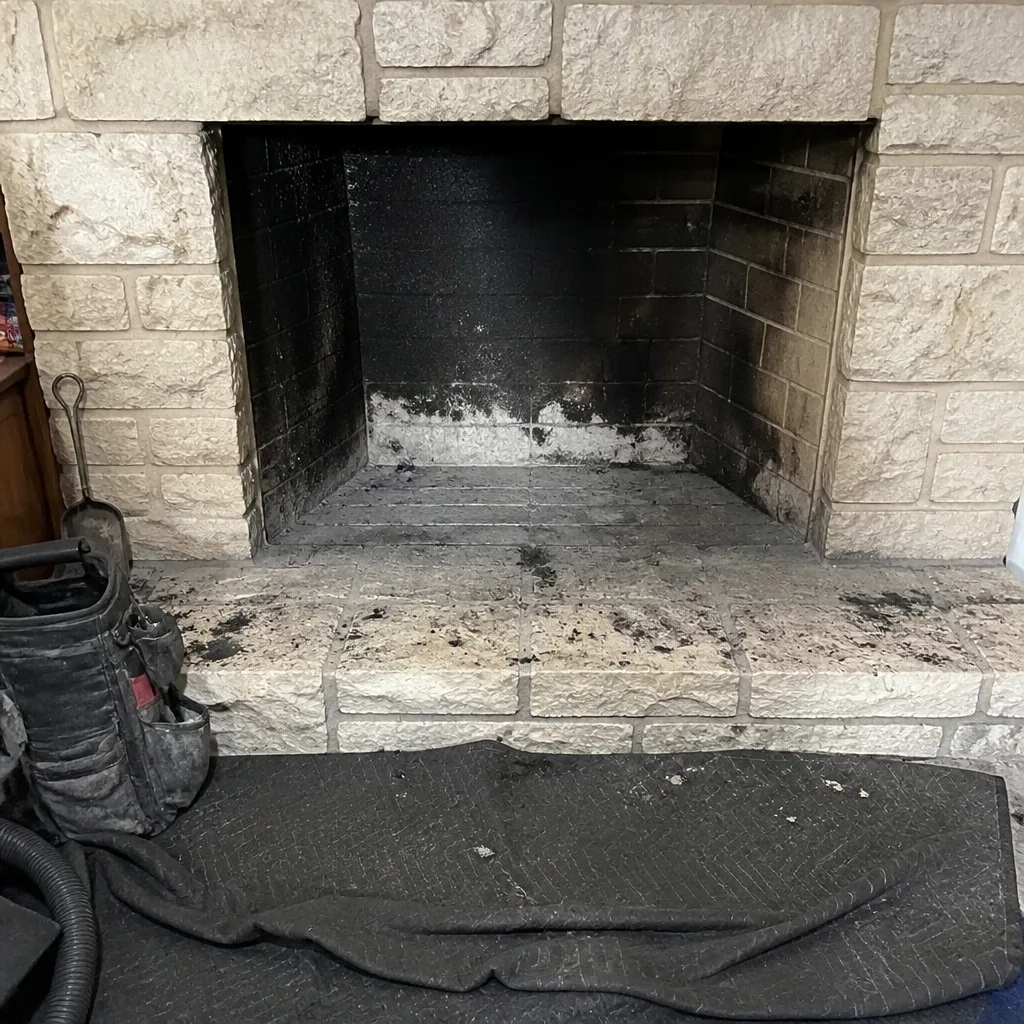 Before
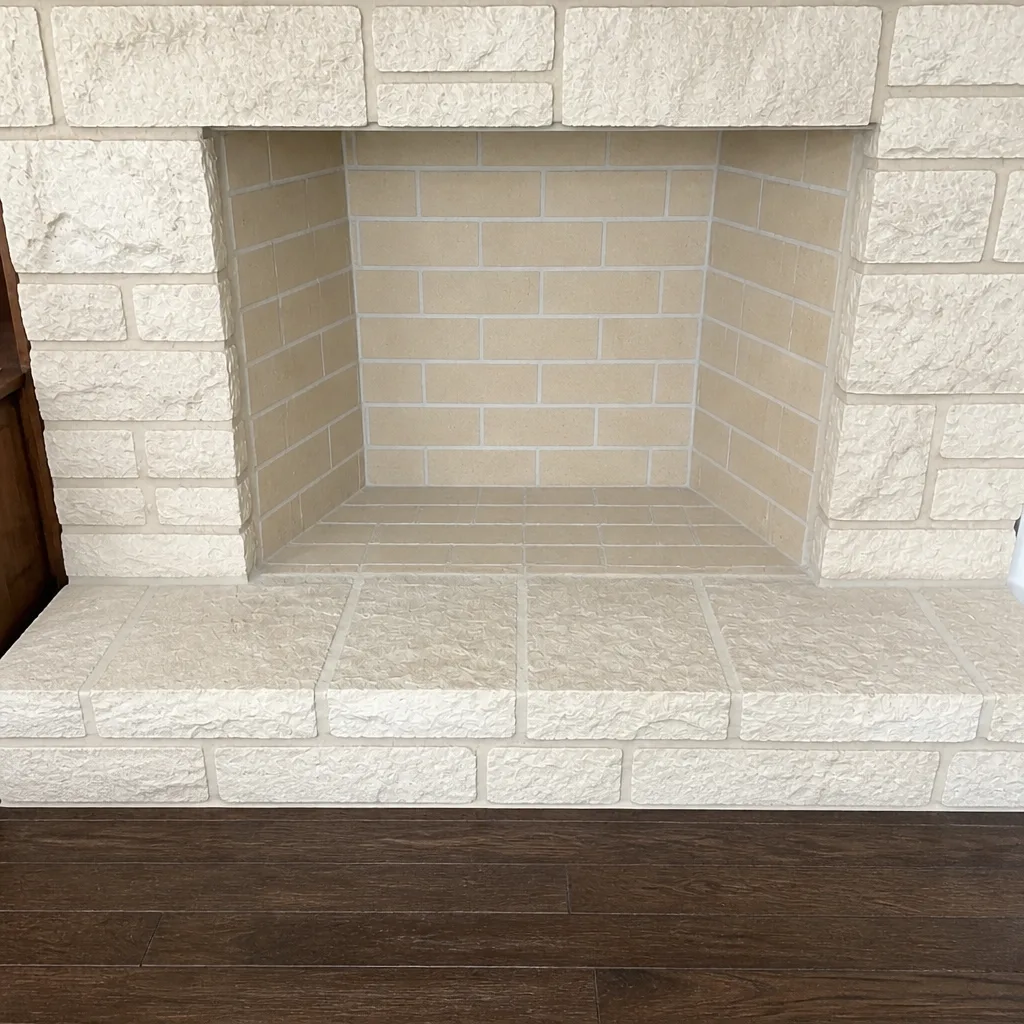 After
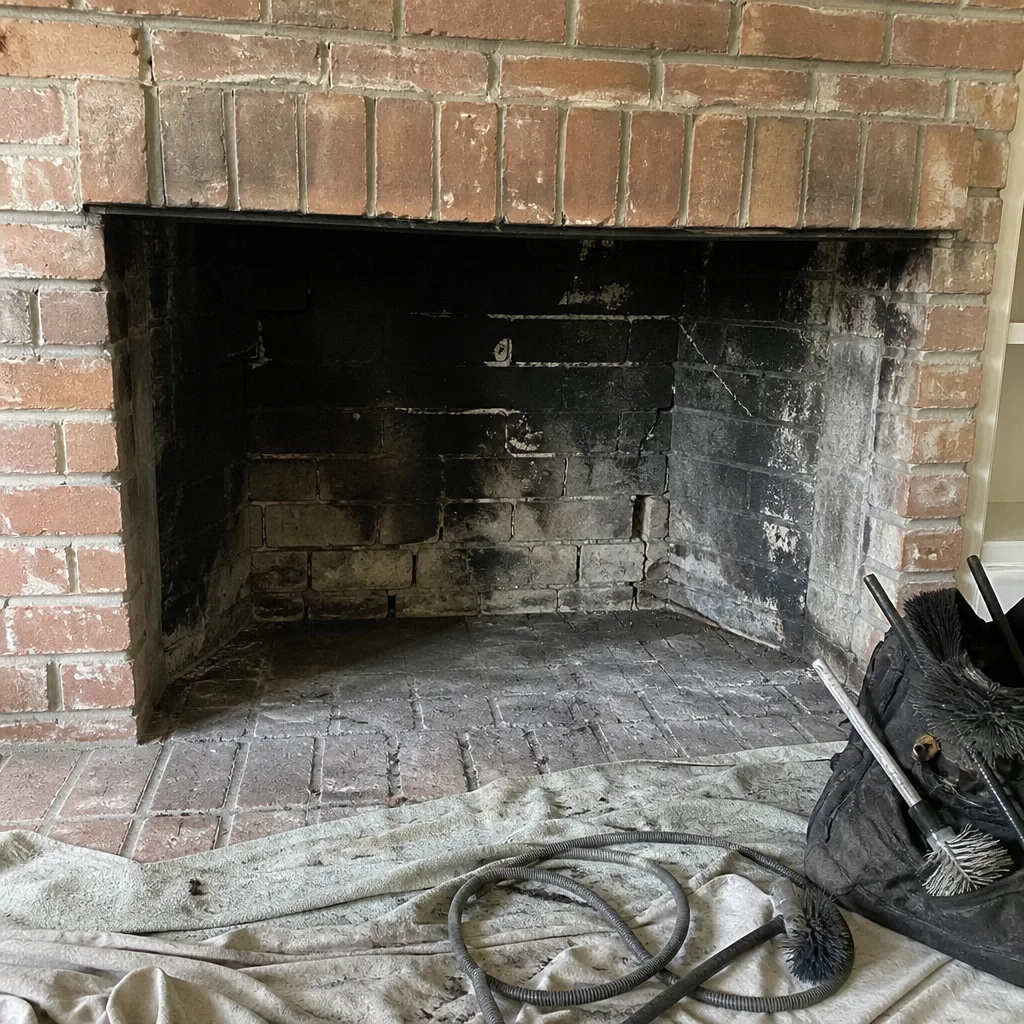 Before
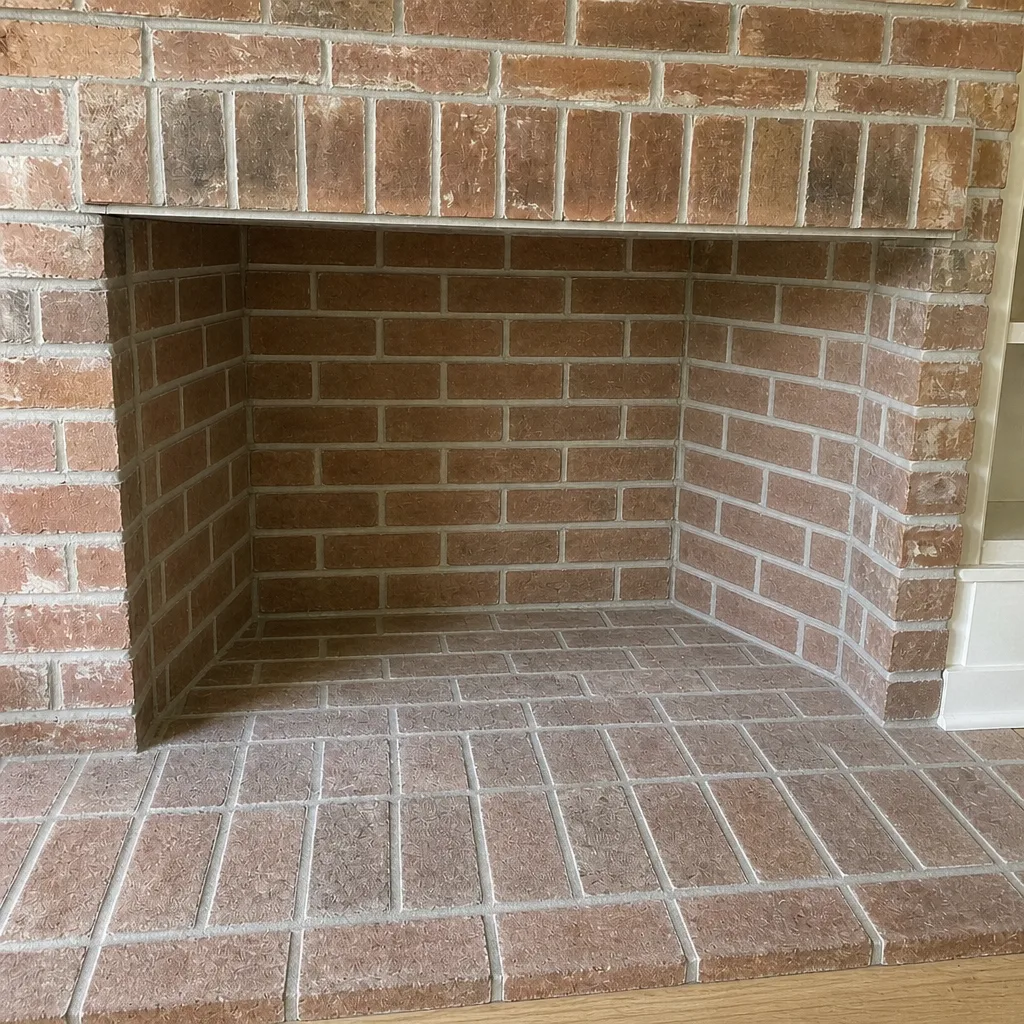 After
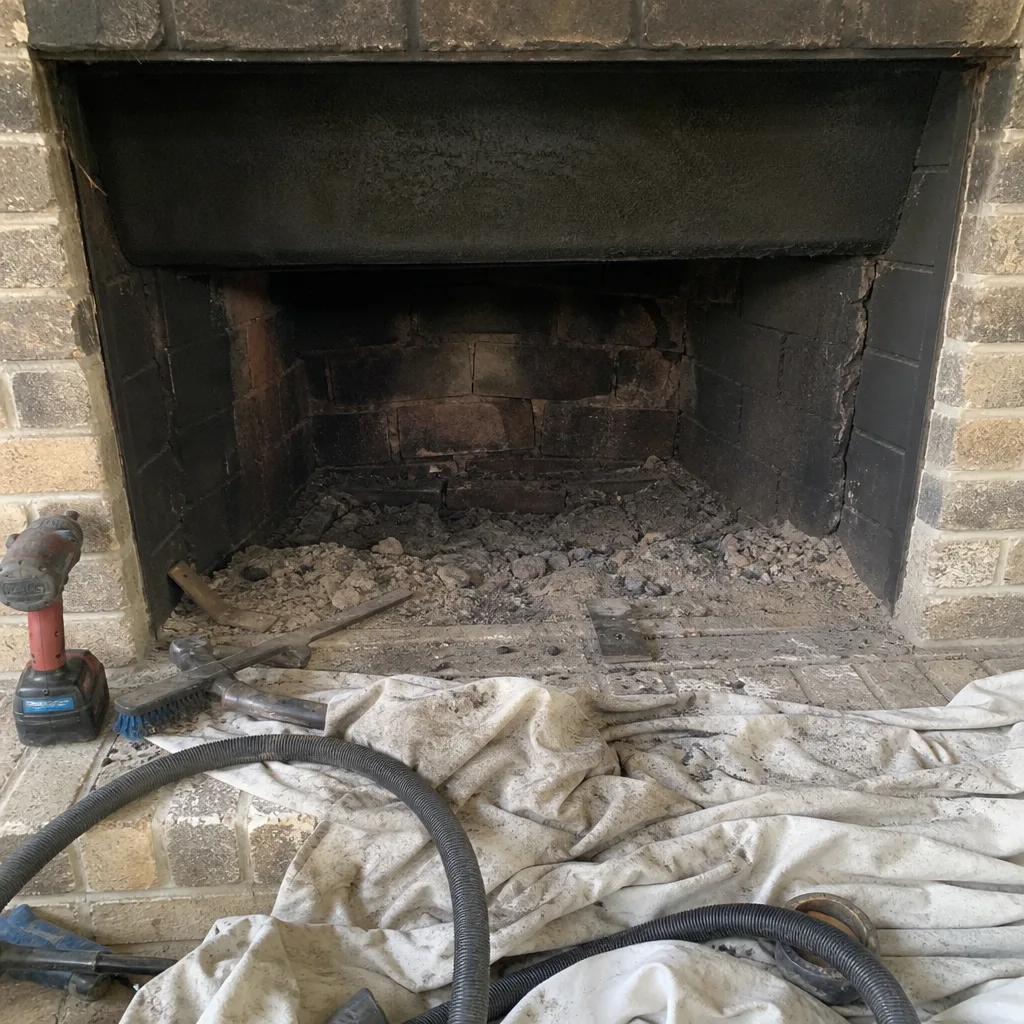 Before
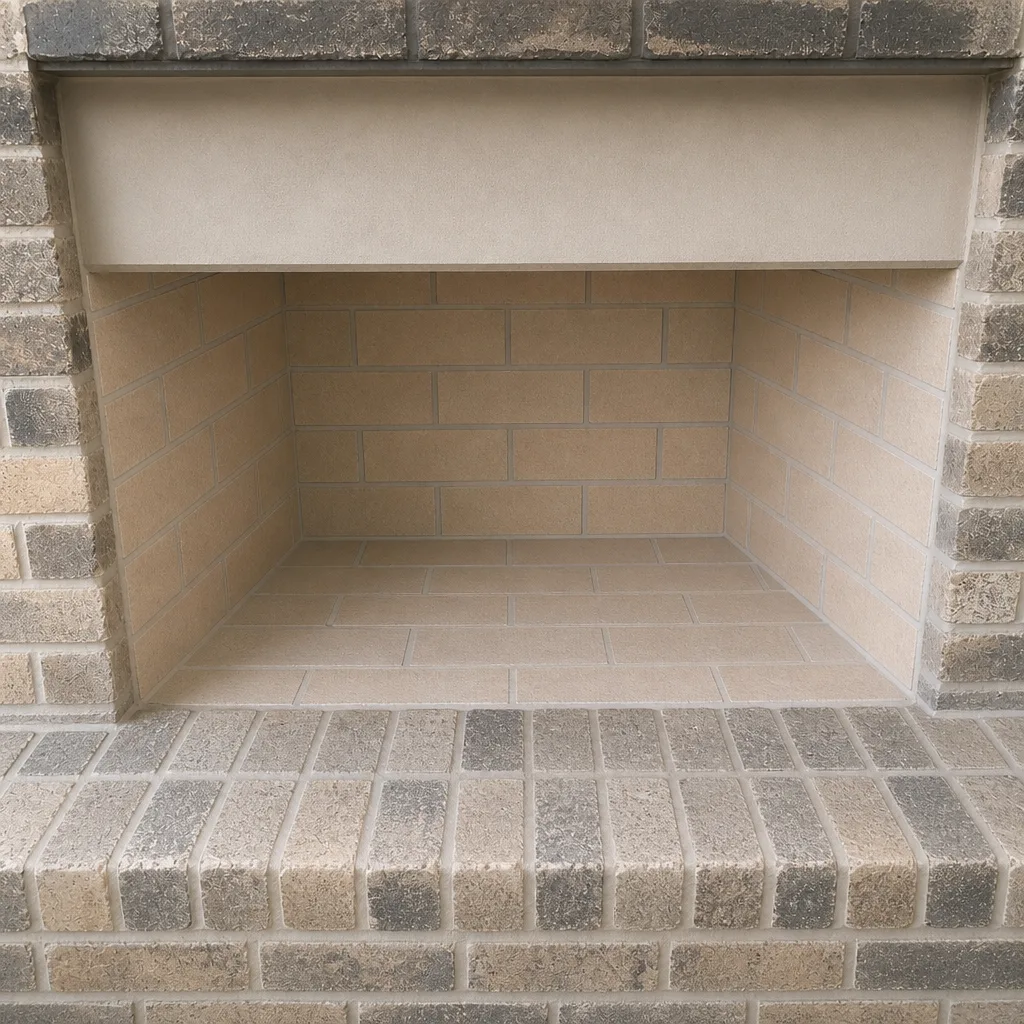 After
When to Call a Professional
Call a professional chimney service immediately if you see or smell signs of a chimney fire, if a CO alarm sounds and you can trace it to the fireplace or venting, if water is running into the firebox, or if the cap is off or the crown is visibly failing after a storm. Book a scheduled appointment soon rather than urgently if you’ve found a small crack, a rust streak, or a loose piece of mortar, or if it’s been more than a year since the last sweep. Any chimney that’s never been inspected deserves one before its next fire. Chimney Sweep Spring Branch offers free estimates in Spring Branch. Call (833) 482-6711 to book an inspection or to talk through what you’re seeing. We answer 24/7. Fast dispatch from 7am to 7pm, Sunday through Friday.
Frequently Asked Questions
A chimney fire produces a low roaring sound, an intense hot smell, flecks of creosote out the top, and sometimes glowing at the stovepipe joint; a smoky fire produces visible smoke rolling into the room without the roar or the heat. If you’re unsure, treat it as a chimney fire: close the damper, evacuate, call 911. Call (833) 482-6711 for a post-event inspection. Estimates are free.
Get everyone outside immediately and call 911 or your gas utility’s emergency line; do not re-enter until you’re cleared. A CO alarm that traces to the fireplace is a chimney problem – likely a damaged liner or a blocked or undersized flue. Once you’re cleared, book an inspection before using the fireplace again. Call (833) 482-6711. We answer 24/7. Fast dispatch from 7am to 7pm, Sunday through Friday.
Yes, if the flue is open to the weather; water running into the firebox can damage the smoke chamber and masonry within days. Cover the top if you safely can from the ground, and call for same-day attention. A small drip through a hairline crown crack can usually wait a few days for a scheduled appointment. Call (833) 482-6711 for a free estimate.
Once a year is the standard, and more often if you burn heavily or burn unseasoned wood, because creosote builds up faster than the calendar suggests. Mild local winters mean fires are often spaced out, which lets creosote cure into a hard glazed layer between burns – the exact fuel a chimney fire needs. Book a chimney sweep once a year and an inspection alongside it. Call (833) 482-6711. Estimates are free.
Probably nothing – but if something is wrong, the problem gets bigger and more expensive the longer it goes unnoticed. A hidden liner crack, a loose cap, or a cracked crown can turn into a chimney fire, a CO event, or water damage in a single season. The inspection catches those while they’re still small. Call (833) 482-6711 to book. We answer 24/7. Fast dispatch from 7am to 7pm, Sunday through Friday.
Not always; the answer depends on what a camera inspection finds inside the flue. Sometimes a damaged liner can be resurfaced with HeatShield, and sometimes it needs full relining with a DuraFlex flexible liner – but you should see the camera footage before anyone quotes you a liner replacement. Call (833) 482-6711 for an inspection and a free estimate.
The Bottom Line
Chimney emergencies look alike from the living room and are nothing alike once you know what to look for. A chimney fire is a fire; stop the burn, evacuate, and call 911. A CO event is a medical emergency; evacuate first and check the alarm second. Storm damage is a physical problem; photograph it, cover what you can, and book the visit that matches how urgent it actually is. The rest of the year, the best preparation is a clean flue, an intact liner, and a properly fitted cap and crown. A pre-season inspection in Spring Branch catches all three before the weather turns, and it’s the cheapest step you can take. For a proper chimney sweep, a properly fitted chimney cap & crown, or a full inspection, we’re one company for every stage. Book through Chimney Sweep Spring Branch, and if you’ve found damage in the firebox itself, see our fireplace repair service. Call (833) 482-6711 for a free estimate. We answer 24/7. Fast dispatch from 7am to 7pm, Sunday through Friday.
Written by the team at Chimney Sweep Spring Branch.